Xiaomi 13 Pro vs. Motorola Moto G (2023): A Deep Dive
The smartphone market offers a dizzying array of choices, and deciding between two seemingly disparate devices like the Xiaomi 13 Pro and the Motorola Moto G (2023) can be challenging. Let's dissect their specifications and uncover the practical implications for users.
1. Specifications Breakdown
| Feature | Xiaomi 13 Pro | Motorola Moto G (2023) | Real-World Implications |
|---|---|---|---|
| Design | |||
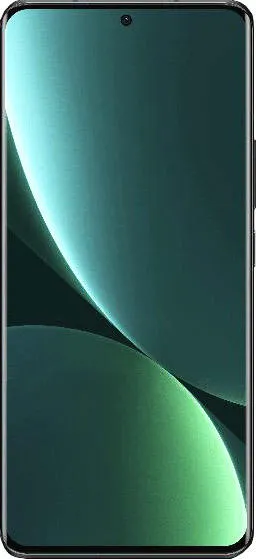
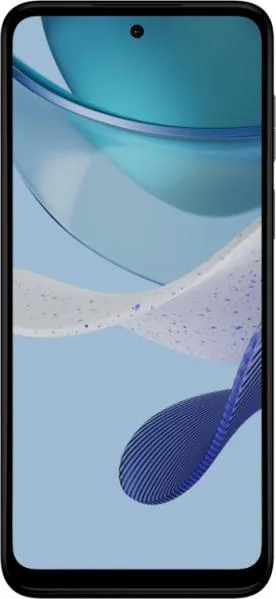
| Dimensions (mm) | 162.9 x 74.6 x 8.4 | 164 x 75 x 8.4 | Xiaomi 13 Pro is slightly more compact. |
| Weight (g) | 210 | 189 | Moto G is noticeably lighter. |
| Build Materials | Ceramic, Gorilla Glass Victus | Plastic Frame, Gorilla Glass 3 | Xiaomi boasts premium materials for a more luxurious feel and potentially better durability. |
| Display | |||
| Display Type | 6.73" LTPO AMOLED, 120Hz | 6.5" IPS LCD, 120Hz | Xiaomi offers superior color accuracy, deeper blacks, and higher brightness with its AMOLED. |
| Resolution | 1440 x 3200 (WQHD+) | 720 x 1600 (HD+) | Xiaomi's display is significantly sharper and more detailed. |
| Pixel Density (ppi) | 522 | 270 | Xiaomi offers much greater clarity for text and images. |
| Performance | |||
| Chipset | Snapdragon 8 Gen 2 | Snapdragon 480+ 5G | Xiaomi's flagship processor delivers vastly superior performance for demanding tasks and gaming. |
| RAM | 12GB | 4GB | Xiaomi provides much more headroom for multitasking and demanding applications. |
| Storage | 256/512GB | 128GB | Xiaomi offers more storage options for large files and apps. |
| Camera | |||
| Main Camera | 50MP, 1" Sensor (Sony IMX989) | 48MP | Xiaomi's larger sensor captures more light, resulting in better low-light photos and dynamic range. |
| Ultrawide | 50MP | N/A | Xiaomi offers an ultrawide lens for broader perspectives. |
| Telephoto | 50MP | N/A | Xiaomi includes a telephoto lens for optical zoom. |
| Battery Life | |||
| Capacity | 4820mAh | 5000mAh | Moto G has slightly larger battery capacity but Xiaomi's more efficient processor could balance this. |
| Charging | 120W Fast Charging | 15W Fast Charging | Xiaomi charges significantly faster. |
| Other | |||
| Price | High | Medium | Xiaomi is a flagship-priced device; Moto G is a budget-friendly option. |
| NFC | Yes | No | Xiaomi supports contactless payments and data transfer. |
2. Key Insights
The Xiaomi 13 Pro is a flagship smartphone with top-tier specifications across the board. Its Snapdragon 8 Gen 2 processor, stunning AMOLED display, and advanced camera system provide a premium user experience. The Motorola Moto G (2023), on the other hand, is a budget-oriented device focusing on affordability and essential features.
Xiaomi Advantages: Superior performance, brilliant display, versatile camera system, faster charging, premium design.
Moto G Advantages: Lower price point, larger battery capacity (though real-world battery life depends on usage).
3. User Profiles and Recommendations
Xiaomi 13 Pro: Ideal for power users, gamers, photography enthusiasts, and those who demand the best possible performance and features. If budget is less of a concern, the 13 Pro delivers a premium experience.
Moto G (2023): Suitable for budget-conscious users, casual smartphone users primarily focused on communication, web browsing, and light media consumption. It's a good option for those seeking a reliable device without breaking the bank.
4. Buying Decision Framework
- What is your budget? If price is a major constraint, the Moto G is the more realistic choice.
- What are your performance needs? For demanding tasks and gaming, the Xiaomi 13 Pro is essential.
- How important is camera quality? The Xiaomi 13 Pro offers a significantly more capable camera system.
My Choice: Xiaomi 13 Pro
While the Moto G (2023) offers excellent value for its price, I would choose the Xiaomi 13 Pro. As a tech enthusiast and someone who values a premium user experience, the 13 Pro's superior performance, stunning display, and versatile camera system are compelling. The faster charging and inclusion of NFC are further advantages. I'm willing to invest in a device that provides a significant leap in performance, capabilities, and overall user experience. The Moto G serves a purpose in the market, but it doesn't align with my personal needs and preferences.
