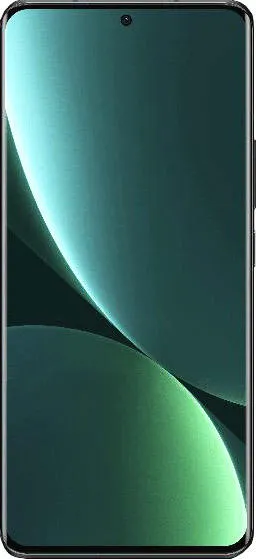
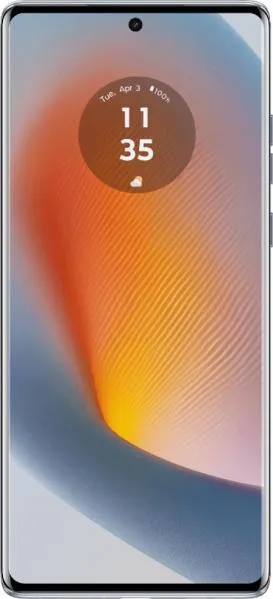
Xiaomi 13 Pro vs. Motorola Edge 50 Fusion: A Deep Dive
Hello everyone, Alex Griffin here, your friendly neighborhood tech analyst. Today, we're dissecting two intriguing smartphones: the powerhouse Xiaomi 13 Pro and the more budget-conscious Motorola Edge 50 Fusion. Let's dive deep into their specs and uncover what they offer in the real world.
1. Specifications Breakdown
| Feature | Xiaomi 13 Pro | Motorola Edge 50 Fusion | Real-World Implications |
|---|---|---|---|
| Design | |||
| Dimensions (mm) | 162.9 x 74.6 x 8.4 | 161.9 x 73.1 x 7.9 | Xiaomi is slightly larger; both feel premium but Motorola might be easier to handle for some. |
| Weight (g) | 210 | 174.9 | Motorola is noticeably lighter, reducing hand fatigue during extended use. |
| Display | |||
| Type | LTPO AMOLED | P-OLED | Xiaomi's LTPO panel offers more granular refresh rate control for better battery life. Both have vibrant colors. |
| Size | 6.73" | 6.7" | Negligible size difference; both offer immersive viewing experiences. |
| Resolution | 1440 x 3200 | 1080 x 2400 | Xiaomi boasts significantly sharper visuals; text and images will appear crisper. |
| Refresh Rate | 120Hz | 120/144Hz | Smoother animations and scrolling on both, though Motorola offers slightly higher potential refresh rate (region dependent) |
| Peak Brightness | 1900 nits | 1600 nits | Xiaomi's display gets brighter, ensuring better visibility outdoors. |
| Performance | |||
| Chipset | Snapdragon 8 Gen 2 | Snapdragon 7s Gen 2 | Xiaomi offers flagship-level performance with faster processing and graphics; Motorola is a solid mid-ranger. |
| CPU | Octa-core (3.2 GHz) | Octa-core (2.4 GHz) | Xiaomi handles demanding tasks with ease; Motorola is sufficient for everyday use but might struggle with heavy gaming. |
| RAM | 12GB | 8/12GB | Xiaomi offers more RAM in this configuration, allowing for smoother multitasking. |
| Camera | |||
| Main Sensor | 50MP (1" sensor) | 50MP | Xiaomi's larger sensor captures more light, resulting in better low-light performance and dynamic range. |
| Ultrawide | 50MP | 13MP | Significant difference in resolution; Xiaomi's ultrawide will deliver much more detailed shots. |
| Telephoto | 50MP | None | Xiaomi offers optical zoom for clearer zoomed-in images; Motorola relies on digital zoom. |
| Battery Life | |||
| Capacity | 4820 mAh | 5000 mAh | Motorola has a slightly larger battery capacity, potentially offering longer usage time. |
| Price | High | Medium | Xiaomi is a premium flagship device; Motorola offers a more affordable price point. |
2. Key Insights
The Xiaomi 13 Pro is a true flagship contender. Its Snapdragon 8 Gen 2 chip, stunning high-resolution display, and impressive camera system with a 1-inch main sensor place it in the top tier. You're paying for premium performance, cutting-edge features, and a luxurious experience.
The Motorola Edge 50 Fusion, on the other hand, aims for a sweet spot between performance and affordability. While its Snapdragon 7s Gen 2 isn't a flagship processor, it's competent for everyday tasks. The larger battery is a plus, but the camera system, especially the ultrawide and lack of a telephoto lens, shows where costs have been cut.
3. User Profiles and Recommendations
Xiaomi 13 Pro: For power users, photographers, and anyone who demands the best possible performance and camera quality. Ideal for mobile gaming, content creation, and consuming multimedia.
Motorola Edge 50 Fusion: Best suited for budget-conscious users who prioritize battery life and a smooth user experience for everyday tasks like social media, browsing, and light gaming. A great option for those seeking value without breaking the bank.
4. Buying Decision Framework
- What's your budget? If price is a major concern, the Motorola Edge 50 Fusion is the clear winner.
- Are you a power user or a casual user? Demanding tasks and gaming? Go for the Xiaomi 13 Pro. Mostly everyday use? The Motorola is sufficient.
- How important is camera quality? If photography is a priority, the Xiaomi 13 Pro's superior camera system is a game-changer.
My Choice:
Personally, I would choose the Xiaomi 13 Pro. While the Motorola Edge 50 Fusion offers excellent value, I prioritize a top-tier camera and flagship performance. The sharper display and overall more polished experience of the Xiaomi align better with my needs as a tech enthusiast and content creator. The price difference is significant, but for me, the investment in the Xiaomi's superior capabilities is worth it in the long run. I often push my devices to their limits, and the 13 Pro provides the headroom and future-proofing I desire. The 1-inch sensor in the main camera is a huge draw for me, as low-light photography is something I value greatly.
