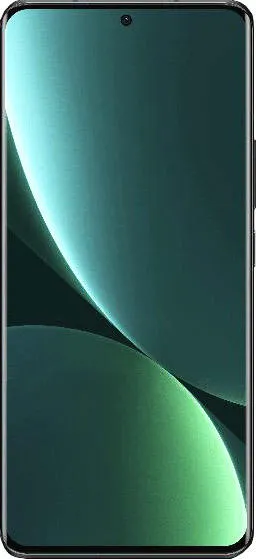
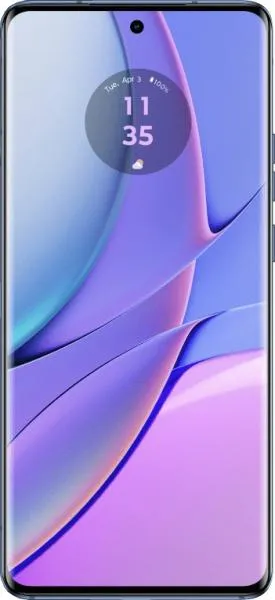
Xiaomi 13 Pro vs. Motorola Edge 40: A Deep Dive
Let's dissect the Xiaomi 13 Pro and the Motorola Edge 40, two compelling smartphones with distinct personalities. We'll go beyond the spec sheet to understand what these differences mean for you, the user.
1. Specifications Breakdown
| Feature | Xiaomi 13 Pro | Motorola Edge 40 | Real-World Implications |
|---|---|---|---|
| Design | |||
| Dimensions (mm) | 162.9 x 74.6 x 8.4 | 158.4 x 72 x 7.6 | Edge 40 is noticeably thinner and lighter, enhancing one-handed usability. |
| Weight (g) | 210 | 167 | Significant weight difference; Edge 40 feels more comfortable for extended use. |
| Build Materials | Ceramic, Glass | Glass, Vegan Leather | Xiaomi's ceramic back offers potential durability advantages but adds weight. Edge 40's vegan leather provides a unique texture and grip. |
| Display | |||
| Size (inches) | 6.73 | 6.55 | Xiaomi offers a larger screen for immersive content consumption. |
| Resolution | 1440 x 3200 | 1080 x 2400 | Xiaomi boasts significantly higher resolution for sharper text and images. |
| Panel Type | LTPO AMOLED | P-OLED | Both offer vibrant colors and deep blacks, but Xiaomi's LTPO panel enables dynamic refresh rate adjustment for better battery efficiency. |
| Refresh Rate (Hz) | 120 | 144 | Edge 40's higher refresh rate delivers smoother animations and scrolling, but may impact battery life more than Xiaomi's adaptive 120Hz. |
| Peak Brightness (nits) | 1900 | 1200 | Xiaomi's display can get significantly brighter, improving outdoor visibility. |
| Performance | |||
| Chipset | Snapdragon 8 Gen 2 | Dimensity 8020 | Xiaomi's flagship processor provides significantly greater processing power for demanding tasks and gaming. |
| CPU | Octa-core (3.2 GHz X3...) | Octa-core (2.6 GHz A78...) | Xiaomi's CPU offers superior performance across the board. |
| GPU | Adreno 740 | Mali-G77 MC9 | Xiaomi's GPU offers a significant advantage in gaming and graphically intensive applications. |
| RAM (GB) | 12 | 8 | Xiaomi's larger RAM enables better multitasking and smoother performance with multiple apps open. |
| Camera | |||
| Main Sensor | 50MP Sony IMX989 (1-inch) | 50MP OmniVision OV50A | Xiaomi's larger sensor with advanced optics promises superior low-light performance and image quality. |
| Ultrawide | 50MP | 13MP | Xiaomi's ultrawide offers much higher resolution. |
| Telephoto | 50MP (3.2x) | None | Xiaomi offers a dedicated telephoto lens for optical zoom, a significant advantage. |
| Battery Life | |||
| Capacity (mAh) | 4820 | 4400 | Xiaomi has a larger battery capacity, potentially resulting in longer usage time. |
| Charging | Proprietary Fast Charging | Fast Charging | Specific charging speeds would need further clarification, but both support fast charging. |
2. Key Insights
- Performance Powerhouse: The Xiaomi 13 Pro, with its Snapdragon 8 Gen 2, crushes the Motorola Edge 40 in raw performance. This translates to smoother gaming, faster app loading, and effortless multitasking.
- Display Delight: While both phones offer excellent displays, the Xiaomi 13 Pro pulls ahead with its higher resolution, peak brightness, and LTPO technology. This translates to a sharper, more vibrant, and more power-efficient viewing experience.
- Camera Champion: The Xiaomi 13 Pro's triple camera system, featuring a 1-inch main sensor and a dedicated telephoto lens, is a clear winner. Expect significantly better low-light performance, detailed images, and versatile zoom capabilities compared to the Edge 40.
- Lightweight Contender: The Motorola Edge 40 shines in its sleek design and lightweight build. It's significantly thinner and lighter than the Xiaomi 13 Pro, making it more pocketable and comfortable for extended use. Its higher refresh rate screen also provides a noticeably smoother experience for day-to-day interactions.
3. User Profiles and Recommendations
- Xiaomi 13 Pro: Power users, photographers, videographers, and mobile gamers will appreciate the uncompromising performance, stunning display, and top-tier camera system.
- Motorola Edge 40: Style-conscious users, casual gamers, and those prioritizing a lightweight and comfortable phone will find the Edge 40 appealing. It offers excellent value for its price point, sacrificing some performance for a more manageable form factor.
4. Buying Decision Framework
- Is top-tier performance a priority? If yes, the Xiaomi 13 Pro is the clear choice.
- Is budget a major constraint? If yes, the Motorola Edge 40 offers excellent value for its mid-range price.
- Do you value a lightweight and sleek design over raw power? If yes, the Edge 40 might be the better fit.
My Choice: I would choose the Xiaomi 13 Pro. While the Motorola Edge 40 is a compelling mid-range option, I prioritize performance, camera quality, and a vibrant display. The Xiaomi 13 Pro excels in all these areas. The extra weight is a trade-off I'm willing to make for the significant jump in capabilities. As a tech journalist who often pushes devices to their limits, the 13 Pro's Snapdragon 8 Gen 2 and advanced camera system are essential tools. The superior display is also a crucial factor for reviewing media and showcasing content. While the Edge 40's lightweight design is tempting, the 13 Pro's overall package provides a significant advantage for my specific needs and workflow.
