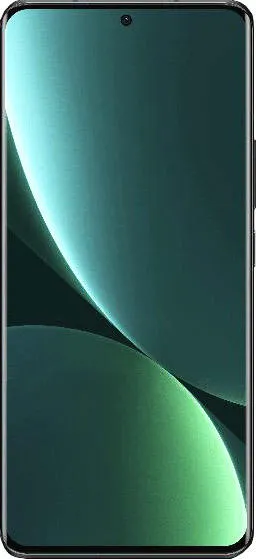
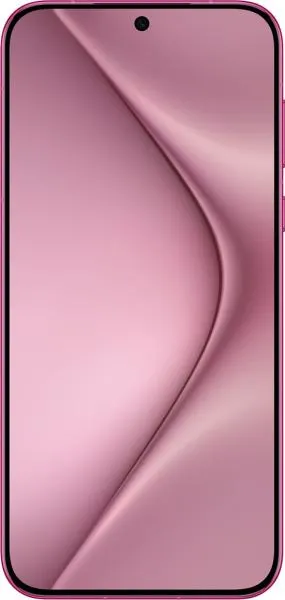
Xiaomi 13 Pro vs. Huawei Pura 70: A Deep Dive
Let's dissect the Xiaomi 13 Pro and the Huawei Pura 70, two compelling smartphones with distinct strengths. We'll go beyond the spec sheet to understand how these devices perform in the real world.
1. Specifications Breakdown
| Feature | Xiaomi 13 Pro | Huawei Pura 70 | Real-World Implications |
|---|---|---|---|
| Design | |||
| Dimensions (mm) | 162.9 x 74.6 x 8.4 | 157.6 x 74.3 x 8.0 | Xiaomi is slightly taller and wider, but marginally thinner. Real-world difference in hand feel will be minimal. |
| Weight (g) | 210 | 207 | Negligible weight difference; both feel substantial in hand. |
| Display | |||
| Size (inches) | 6.73 | 6.6 | Xiaomi offers a slightly larger screen for more immersive content consumption. |
| Resolution (px) | 1440 x 3200 | 1256 x 2760 | Xiaomi boasts a sharper display with higher pixel density (522 ppi vs. 460 ppi), resulting in crisper text and images. |
| Type | LTPO AMOLED | LTPO OLED | Both offer smooth 120Hz refresh rates and vibrant colors. Xiaomi's AMOLED potentially offers deeper blacks and higher peak brightness. |
| Performance | |||
| Chipset | Snapdragon 8 Gen 2 | Kirin 9000S1 | Snapdragon 8 Gen 2 generally benchmarks higher in terms of raw performance and GPU capabilities. Real-world performance depends on optimization. |
| CPU | Octa-core (3.2 GHz Cortex-X3...) | Octa-core | Xiaomi's CPU configuration details suggest a performance advantage, particularly in demanding tasks. |
| RAM (GB) | 12 | 12 | Both offer ample RAM for multitasking and smooth operation. |
| Camera | |||
| Main Sensor (MP) | 50 MP (1-inch Sony IMX989) | 50 MP | Xiaomi's larger 1-inch sensor promises significantly improved low-light performance and dynamic range. |
| Other Cameras | 50MP Ultrawide, 50MP Telephoto | 13MP Ultrawide, 12MP Telephoto | Xiaomi's higher resolution auxiliary cameras suggest greater detail and versatility. |
| Battery Life | |||
| Capacity (mAh) | 4820 | 4900 | Huawei has a slightly larger battery, but real-world battery life depends on software optimization and usage patterns. |
2. Key Insights
- Xiaomi 13 Pro: This phone is a powerhouse. The Snapdragon 8 Gen 2, coupled with the impressive camera system featuring a 1-inch sensor, positions it as a premium flagship device. The higher resolution display further enhances the multimedia experience.
- Huawei Pura 70: While lacking detailed CPU specifications and camera sensor details, the Pura 70 offers a compelling alternative with a larger battery, sleek design, and a vibrant OLED display. The Kirin 9000S1, while less well-known, is likely a capable processor, though potentially not on par with the Snapdragon 8 Gen 2. The absence of 5G connectivity in the provided specs is a notable limitation.
3. User Profiles and Recommendations
- Xiaomi 13 Pro: Ideal for power users, photography enthusiasts, and those seeking the best possible performance and display. The premium price tag reflects the cutting-edge technology.
- Huawei Pura 70: Suitable for users who prioritize battery life, a sleek design, and a good display. The "medium price" suggests a more value-oriented proposition, making it attractive to budget-conscious consumers. However, the lack of 5G might be a deal breaker for some.
4. Buying Decision Framework
- Is top-tier performance and camera quality a priority? If yes, the Xiaomi 13 Pro is the clear winner.
- Is 5G connectivity essential? Based on the specifications, the Xiaomi 13 Pro supports 5G, while the Huawei Pura 70 does not. This is a crucial factor for future-proofing.
- What's your budget? The "high price" of the Xiaomi 13 Pro versus the "medium price" of the Huawei Pura 70 reflects a significant difference in positioning.
My Choice: I would choose the Xiaomi 13 Pro. As a tech journalist who values cutting-edge technology and performance, the Snapdragon 8 Gen 2, the stunning camera system with the 1-inch sensor, and the beautiful high-resolution display are compelling. While the Huawei Pura 70 offers a larger battery, the lack of detailed specifications, specifically around the CPU and GPU, coupled with the absence of 5G, makes the Xiaomi 13 Pro a more future-proof and ultimately more appealing device for my needs. I am willing to pay the premium for the superior performance and camera capabilities.
