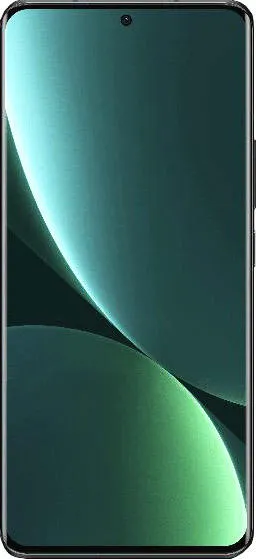
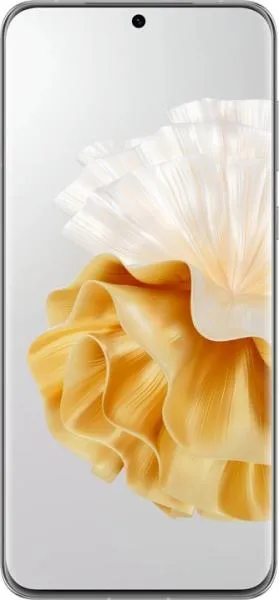
Xiaomi 13 Pro vs. Huawei P60 Pro: A Deep Dive for the Discerning User
The smartphone landscape is a battlefield, and two titans clashing for your attention are the Xiaomi 13 Pro and the Huawei P60 Pro. Both boast impressive specs, but which one reigns supreme? Let's dissect these devices, translating engineering jargon into real-world experiences to help you make the right choice.
1. Specifications Breakdown
| Feature | Xiaomi 13 Pro | Huawei P60 Pro | Real-World Implications |
|---|---|---|---|
| Design | |||
| Dimensions (mm) | 162.9 x 74.6 x 8.4 | 161 x 74.5 x 8.3 | P60 Pro slightly smaller and lighter, potentially more comfortable for one-handed use. |
| Weight (g) | 210 | 200 | Noticeable difference in hand; P60 Pro feels less substantial. |
| Display | |||
| Size (inches) | 6.73 | 6.67 | Negligible difference in screen real estate. |
| Resolution (px) | 1440 x 3200 | 1220 x 2700 | Sharper, more detailed visuals on the Xiaomi 13 Pro due to higher pixel density (522 vs 444 PPI). |
| Refresh Rate (Hz) | 120 | 120 | Both offer smooth scrolling and animations. |
| Display Type | LTPO AMOLED | LTPO OLED | Both offer excellent contrast and vibrant colors, but Xiaomi's Dolby Vision and HDR10+ support provide a theoretical advantage in dynamic range. Practically, both will be great. |
| Peak Brightness | 1900 nits | Unspecified | Xiaomi's superior peak brightness ensures better visibility in direct sunlight. |
| Performance | |||
| Chipset | Snapdragon 8 Gen 2 | Snapdragon 8+ Gen 1 4G | Xiaomi boasts the newer, more powerful processor, resulting in faster app loading, smoother multitasking, and better gaming performance. Notably, the P60 Pro lacks 5G connectivity. |
| RAM (GB) | 12 | 8/12 | While both offer ample RAM, the 12GB on Xiaomi ensures smoother performance with demanding applications. |
| Camera | |||
| Main Sensor (MP) | 50 MP (1-inch) | 48 MP Variable | Xiaomi's larger sensor likely captures more light, potentially resulting in better low-light photos. Huawei's variable aperture offers more creative control over depth of field. |
| DXOMARK Score | 136 | 156 | P60 Pro scores higher overall, suggesting superior image and video quality in DXOMARK's specific testing scenarios. Real-world results may vary. |
| Battery | |||
| Capacity (mAh) | 4820 | 4815 | Virtually identical battery capacities; real-world battery life will depend on usage patterns. |
2. Key Insights
- Performance: The Xiaomi 13 Pro, with its Snapdragon 8 Gen 2, clearly outperforms the P60 Pro in processing power and graphics capabilities. This translates to a noticeably smoother and faster user experience. The lack of 5G in the Huawei is a major drawback for future-proofing.
- Display: Both displays are excellent, but the Xiaomi edges out the P60 Pro with its higher resolution and confirmed peak brightness. The real-world difference might be subtle for many users, but for pixel peepers and those who often use their phones outdoors, the Xiaomi has the advantage.
- Camera: While DXOMARK favors the P60 Pro, Xiaomi's massive 1-inch sensor and Leica collaboration shouldn't be discounted. The P60 Pro's variable aperture is unique and enticing for photography enthusiasts. This is a category where real-world testing and personal preference will likely be the deciding factor.
3. User Profiles and Recommendations
- Xiaomi 13 Pro: Ideal for power users, gamers, and those who prioritize cutting-edge performance and a vibrant display. The superior processing power and sharper screen make it a multimedia powerhouse.
- Huawei P60 Pro: Best suited for photography enthusiasts who value creative control and potentially superior image quality, as indicated by DXOMARK. Users who prioritize the latest mobile network technology should avoid this phone.
4. Buying Decision Framework
- Is 5G connectivity essential for you? If yes, the Xiaomi 13 Pro is the only option.
- Do you prioritize raw performance or camera capabilities? The Xiaomi excels in performance, while the P60 Pro boasts a strong camera system.
- What is your budget? Consider the price difference between the two models and whether the premium features justify the cost.
My Choice: I would choose the Xiaomi 13 Pro. As a tech journalist, having access to the latest network technology (5G) is crucial for me. Furthermore, I value the raw performance offered by the Snapdragon 8 Gen 2 for multitasking and demanding applications. While the P60 Pro's camera is tempting, the Xiaomi's overall package, including the stunning display and powerful processor, aligns better with my needs and priorities. The lack of 5G in the P60 Pro is a deal-breaker for me.
