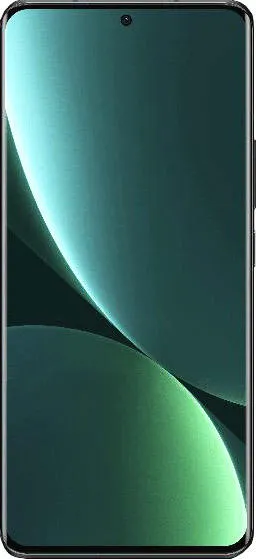

Xiaomi 13 Pro vs. Huawei nova 11: A Deep Dive
Let's dissect the Xiaomi 13 Pro and Huawei nova 11, two compelling smartphones catering to different needs and budgets. My goal is to equip you with the knowledge to choose the device that best fits your life.
1. Specifications Breakdown
| Feature | Xiaomi 13 Pro | Huawei nova 11 | Real-World Implications |
|---|---|---|---|
| Design | |||
| Dimensions (mm) | 162.9 x 74.6 x 8.4 | 161.3 x 75 x 6.9 | Nova 11 is noticeably thinner and lighter, enhancing one-handed usability. |
| Weight (g) | 210 | 168 | Lighter weight contributes significantly to comfort during extended use. |
| Display | |||
| Size (inches) | 6.73 | 6.7 | Negligible size difference; both offer immersive viewing experiences. |
| Resolution | 1440 x 3200 | 1084 x 2412 | Xiaomi boasts significantly sharper visuals due to higher pixel density (522 vs 391 PPI). |
| Type | LTPO AMOLED | OLED | Xiaomi's LTPO panel allows for dynamic refresh rate adjustment, optimizing battery life. |
| Refresh Rate (Hz) | 120 | 120 | Both offer smooth scrolling and animations. |
| Peak Brightness | 1900 nits | 950 nits | Xiaomi's display is considerably brighter, ensuring excellent outdoor visibility. |
| Performance | |||
| Chipset | Snapdragon 8 Gen 2 | Snapdragon 778G 4G | Xiaomi's flagship processor delivers significantly faster performance for demanding tasks and gaming. |
| RAM (GB) | 12 | 8 | More RAM on the Xiaomi enables smoother multitasking and app switching. |
| Camera | |||
| Main Sensor (MP) | 50 (1-inch) | 50 | Xiaomi's larger sensor promises superior low-light performance and depth of field. |
| Ultrawide (MP) | 50 | 8 | Xiaomi's ultrawide offers much higher resolution for detailed wide shots. |
| Telephoto (MP) | 50 | N/A | Xiaomi features a dedicated telephoto lens for optical zoom, absent in the Nova 11. |
| Battery Life | |||
| Capacity (mAh) | 4820 | 4500 | Xiaomi offers a slightly larger battery, potentially translating to longer usage time. |
2. Key Insights
The Xiaomi 13 Pro is a powerhouse flagship. Its Snapdragon 8 Gen 2, coupled with ample RAM, delivers blistering performance. The camera system, featuring a massive 1-inch main sensor and a dedicated telephoto lens, is geared towards photography enthusiasts. The bright, high-resolution LTPO display rounds out the premium experience.
The Huawei nova 11, on the other hand, prioritizes design and affordability. It's significantly lighter and thinner, making it ideal for those seeking a comfortable, pocketable device. While its Snapdragon 778G offers respectable performance for everyday tasks, it's not in the same league as the Xiaomi for demanding applications or gaming. The camera system, while capable, lacks a telephoto lens and boasts a less impressive ultrawide.
3. User Profiles and Recommendations
Xiaomi 13 Pro: Ideal for power users, gamers, photography enthusiasts, and anyone who demands top-tier performance and a premium multimedia experience. The price reflects the flagship-level components.
Huawei nova 11: Well-suited for style-conscious users prioritizing portability and affordability. It's a great option for everyday tasks, social media, casual photography, and light gaming. It represents excellent value for its price range.
4. Buying Decision Framework
- What's your budget? The Xiaomi 13 Pro falls into the "high price" bracket, while the Huawei nova 11 is positioned in the "medium price" range.
- What are your performance needs? If you need a phone for demanding tasks like gaming or video editing, the Xiaomi 13 Pro's superior processing power is essential.
- How important is camera quality? The Xiaomi 13 Pro boasts a significantly more advanced camera system, especially for low-light photography and zoom capabilities.
Scenario-Based Recommendations:
- Heavy gamer on a budget: Consider other options; neither phone perfectly fits this niche.
- Photography enthusiast: The Xiaomi 13 Pro is the clear winner.
- Casual user seeking style and portability: The Huawei nova 11 is an excellent choice.
My Choice: Xiaomi 13 Pro
While the Huawei nova 11's design and price are attractive, as a tech journalist who often pushes devices to their limits, I'd choose the Xiaomi 13 Pro. The superior performance, stunning display, and advanced camera system are crucial for my workflow. The ability to capture high-quality photos and videos, multitask seamlessly, and enjoy a smooth, responsive experience outweighs the price premium for my needs. The slightly larger battery and LTPO display's efficiency benefits are also significant considerations for my usage patterns. Ultimately, the Xiaomi 13 Pro offers a future-proof platform for exploring the latest mobile technologies.
