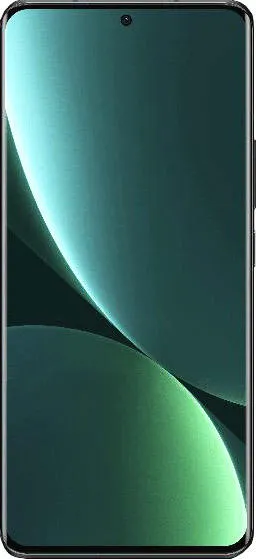
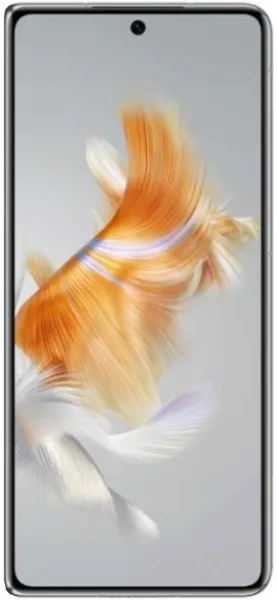
Xiaomi 13 Pro vs. Huawei Mate X3: A Detailed Comparison
The smartphone landscape is constantly evolving, with new contenders vying for your attention. Today, we'll dissect two high-end devices: the Xiaomi 13 Pro and the Huawei Mate X3. While both reside in the premium price bracket, their strengths cater to distinct user needs. Let's delve into the specifics.
1. Specifications Breakdown
| Feature | Xiaomi 13 Pro | Huawei Mate X3 | Real-World Implications |
|---|---|---|---|
| Design | |||
| Dimensions (mm) | 162.9 x 74.6 x 8.4 | 156.9 x 141.5 x 5.3 (Unfolded) | Mate X3 significantly thinner when unfolded, but wider due to folding design; Xiaomi 13 Pro more pocketable in traditional sense. |
| Weight (g) | 210 | 239 | Xiaomi 13 Pro lighter for single-hand use; Mate X3's weight understandable given foldable design. |
| Foldable | No | Yes | Mate X3 offers larger screen real estate and tablet-like functionality. |
| Display | |||
| Size (inches) | 6.73 | 7.85 (Unfolded), 6.4 (Folded) | Mate X3 offers a significantly larger unfolded display for multitasking and media consumption. |
| Resolution (px) | 1440 x 3200 | 2496 x 2224 (Unfolded), 1080 x 2504 (Folded) | Both offer sharp displays; Mate X3's unfolded screen provides more immersive experience. |
| Type | LTPO AMOLED | Foldable OLED | Xiaomi 13 Pro's LTPO panel enables dynamic refresh rate for power efficiency; Mate X3's foldable display is the highlight. |
| Refresh Rate (Hz) | 120 | 120 | Both offer smooth scrolling and animations. |
| Performance | |||
| Chipset | Snapdragon 8 Gen 2 | Snapdragon 8+ Gen 1 4G | Xiaomi 13 Pro boasts newer, more powerful processor, potentially leading to better performance and efficiency. |
| CPU | Octa-core (3.2 GHz) | Octa-core (3.19 GHz) | Marginally faster clock speed on Xiaomi 13 Pro, but real-world performance difference likely negligible. |
| GPU | Adreno 740 | Adreno 730 | Xiaomi 13 Pro's GPU likely offers a slight edge in graphics-intensive tasks. |
| RAM | 12 GB | Up to 12 GB | Both offer ample RAM for smooth multitasking. |
| Camera | |||
| Main Sensor | 50MP (1-inch) | 50MP | Xiaomi 13 Pro features larger sensor, potentially capturing more light and detail. |
| Telephoto | 50MP | 16MP | Xiaomi 13 Pro has higher resolution telephoto; details on optical zoom ranges needed for comprehensive comparison. |
| Ultrawide | 50MP | 12MP | Xiaomi 13 Pro boasts a significantly higher resolution ultrawide lens. |
| Battery | |||
| Capacity (mAh) | 4820 | 4800 | Negligible difference in battery capacity. Real-world battery life will depend on usage and software optimization. |
2. Key Insights
- Xiaomi 13 Pro: This phone is a powerhouse focused on performance and imaging. The Snapdragon 8 Gen 2, coupled with the impressive camera system, positions it as a strong contender for photography enthusiasts and power users. The LTPO display strikes a balance between smooth visuals and battery efficiency.
- Huawei Mate X3: The star of the show is the foldable design, transforming the device from a phone to a mini-tablet. While its processor is a generation older, it's still highly capable. The unique form factor caters to users who prioritize screen real estate and portability. The lack of 5G might be a deal breaker for some.
3. User Profiles and Recommendations
Xiaomi 13 Pro: Ideal for users who demand top-tier performance, a cutting-edge camera system, and excellent battery life in a traditional smartphone form factor. Photographers, videographers, and mobile gamers will appreciate its capabilities.
Huawei Mate X3: Best suited for users who value a large, foldable screen for multitasking, media consumption, and on-the-go productivity. Business professionals, content creators, and those who enjoy a unique mobile experience will find this device appealing.
4. Buying Decision Framework
- Do you prioritize a foldable design? If yes, the Mate X3 is the clear choice.
- Is having the latest and greatest processor crucial? If so, the Xiaomi 13 Pro's Snapdragon 8 Gen 2 offers a performance advantage.
- Is 5G connectivity essential? The lack of 5G on the Mate X3 could be a significant factor.
My Choice: Xiaomi 13 Pro
While the Mate X3's foldable design is undeniably innovative, the Xiaomi 13 Pro aligns better with my personal needs and priorities. As a tech journalist, I value top-tier performance for demanding tasks, and the Snapdragon 8 Gen 2 delivers. The superior camera system, particularly the 1-inch main sensor and high-resolution telephoto and ultrawide lenses, is crucial for capturing high-quality images and videos for my work. Furthermore, the reliable 5G connectivity ensures I can stay connected at high speeds. While I appreciate the expansive screen of the Mate X3, the added bulk and potential durability concerns of a foldable, combined with the price premium and lack of 5G, steer me towards the more robust and well-rounded Xiaomi 13 Pro. It represents a more practical and powerful solution for my everyday needs.
