Xiaomi 13 Pro vs. Google Pixel Fold: A Deep Dive for the Discerning User
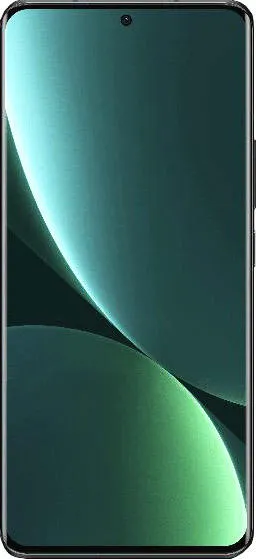
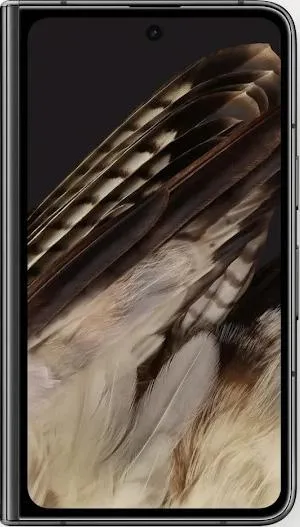
The smartphone landscape is constantly evolving, and 2023 has brought us two compelling contenders: the Xiaomi 13 Pro, a powerhouse flagship, and the Google Pixel Fold, a groundbreaking foldable. As a tech journalist with an engineering background, I'm here to dissect these devices, going beyond the spec sheet to reveal what truly matters to you, the user.
1. Specifications Breakdown
| Feature | Xiaomi 13 Pro | Google Pixel Fold | Real-World Implications |
|---|---|---|---|
| Design | |||
| Dimensions (mm) | 162.9 x 74.6 x 8.4 | 139.7 x 158.7 x 5.8 | Pixel Fold significantly wider when unfolded, more pocketable when folded. |
| Weight (g) | 210 | 283 | Pixel Fold noticeably heavier due to folding mechanism. |
| Foldable | No | Yes | Pixel Fold offers a larger screen in a smaller form factor when folded. |
| Display | |||
| Size (inches) | 6.73 | 7.6 (Unfolded), 5.8 (Folded) | Pixel Fold offers a tablet-like experience when unfolded. |
| Resolution (px) | 1440 x 3200 | 2208 x 1840 (Unfolded), 2092 x 1080 (Folded) | Sharper image on Xiaomi 13 Pro despite smaller size. Pixel Fold outer display less sharp. |
| Type | LTPO AMOLED | Foldable OLED | Xiaomi's LTPO offers better power efficiency with dynamic refresh rate. |
| Refresh Rate (Hz) | 120 | 120 | Smooth scrolling and animations on both devices. |
| Peak Brightness (nits) | 1900 | 1450 | Xiaomi 13 Pro slightly brighter in direct sunlight. |
| Performance | |||
| Chipset | Snapdragon 8 Gen 2 | Google Tensor G2 | Snapdragon 8 Gen 2 generally offers superior raw performance. |
| RAM (GB) | 12 | 12 | Ample memory for multitasking on both. |
| Camera | |||
| Main Sensor (MP) | 50 (1-inch sensor) | 48 | Xiaomi boasts a larger sensor, potentially capturing more light and detail. |
| DXOMARK Score | 136 | 133 | Xiaomi edges out Pixel in overall camera quality, but both are excellent. |
| Battery Life | |||
| Capacity (mAh) | 4820 | 4821 | Nearly identical battery capacities. Real-world usage will vary. |
2. Key Insights
The Xiaomi 13 Pro excels in raw power and camera prowess thanks to its cutting-edge Snapdragon chip and impressive 1-inch sensor. Its LTPO display also offers a slight advantage in power efficiency. However, the Pixel Fold's foldable design is a game-changer, providing a unique blend of portability and expansive screen real estate. While the Tensor G2 might not match the Snapdragon in benchmarks, Google's AI-driven software optimization often results in a fluid and responsive user experience. The Pixel Fold's under-display camera also offers a more immersive viewing experience compared to the Xiaomi's punch-hole cutout.
3. User Profiles and Recommendations
Xiaomi 13 Pro: Ideal for power users, photographers, and videographers who prioritize top-tier performance, a stunning display, and exceptional camera capabilities in a traditional smartphone form factor.
Google Pixel Fold: Perfect for those seeking a revolutionary device that seamlessly transitions between phone and tablet modes. It caters to users who value multitasking, content consumption, and the novelty of a foldable screen, even with a slight weight penalty.
4. Buying Decision Framework
- Is a foldable form factor a priority? If yes, the Pixel Fold is the clear choice. If not, the Xiaomi 13 Pro offers a more refined traditional smartphone experience.
- Which matters more: raw performance or AI-powered software features? The Xiaomi 13 Pro wins on raw power, but the Pixel Fold shines with Google's software magic.
- What's your budget? The Xiaomi 13 Pro generally falls into a higher price bracket than the Pixel Fold. Consider your budget and the value each device offers.
My Choice: The Xiaomi 13 Pro
While the Pixel Fold's innovation is undeniably appealing, I would choose the Xiaomi 13 Pro. As a tech enthusiast who values performance and camera quality above all else, the Xiaomi's combination of the Snapdragon 8 Gen 2, the 1-inch camera sensor, and the stunning LTPO display is irresistible. The slightly brighter display and potential for longer battery life due to the LTPO technology further solidify my choice. While I appreciate the versatility of a foldable, I prioritize the refined experience and superior hardware of the Xiaomi 13 Pro for my daily needs. The Pixel Fold's weight is also a concern for me. Ultimately, the Xiaomi strikes the perfect balance between cutting-edge technology and practical usability for my personal preferences.
