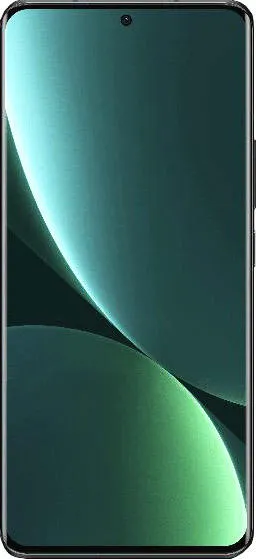
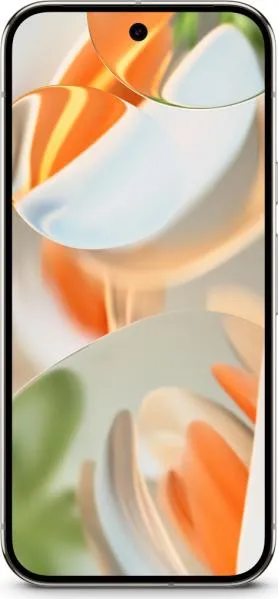
Xiaomi 13 Pro vs. Google Pixel 9 Pro: A Deep Dive
Hello fellow tech enthusiasts! Alex Griffin here, ready to dissect the Xiaomi 13 Pro and the Google Pixel 9 Pro. Both phones boast impressive specs, but let's dig deeper to see what they truly offer in the real world.
1. Specifications Breakdown
| Feature | Xiaomi 13 Pro | Google Pixel 9 Pro | Real-World Implications | |||||
|---|---|---|---|---|---|---|---|---|
| Design | ||||||||
| Dimensions (mm) | 162.9 x 74.6 x 8.4 | 152.8 x 72.0 x 8.5 | Pixel 9 Pro is slightly more compact and easier to handle one-handed | |||||
| Weight (g) | 210 | 199 | Pixel 9 Pro is noticeably lighter | |||||
| Build Materials | Ceramic, Glass | Aluminum, Glass | Xiaomi offers a more premium feel with its ceramic back | Display | ||||
| Display Size (inches) | 6.73 | 6.3 | Xiaomi offers a larger screen for immersive content | |||||
| Resolution | 1440 x 3200 | 1280 x 2856 | Xiaomi boasts a sharper display | |||||
| Display Type | LTPO AMOLED | LTPO OLED | Both offer smooth scrolling and potential battery savings | |||||
| Peak Brightness (nits) | 1900 | 3000 | Pixel 9 Pro should be significantly brighter outdoors | |||||
| Performance | ||||||||
| Chipset | Snapdragon 8 Gen 2 | Google Tensor G4 | Both are flagship chipsets, but real-world performance needs testing | |||||
| CPU | Octa-core (Cortex-X3, A715, A710, A510) | Octa-core (Cortex-X4, A720, A520) | Pixel 9 Pro utilizes a more modern CPU architecture | |||||
| RAM | 12GB | 16GB | Pixel 9 Pro has more RAM for better multitasking | |||||
| GPU | Adreno 740 | Mali-G715 MC7 | Adreno 740 generally offers superior gaming performance | |||||
| Camera | ||||||||
| Main Camera (MP) | 50 MP (1-inch sensor) | 50 MP | Xiaomi features a notably larger sensor, potentially better low light | |||||
| Ultrawide (MP) | 50 MP | 48 MP with Macro | Pixel likely leverages software for superior image processing | |||||
| Telephoto (MP) | 50 MP | 48 MP | Both offer high-resolution telephoto capabilities | |||||
| Battery Life | ||||||||
| Battery Capacity (mAh) | 4820 | 4700 | Xiaomi has a slightly larger battery | |||||
| Charging | 120W Wired, 50W Wireless | Unspecified | Xiaomi offers significantly faster wired charging |
2. Key Insights
- Display: Xiaomi's higher resolution delivers stunning visuals, but the Pixel 9 Pro's superior peak brightness will shine in direct sunlight.
- Performance: While both phones pack powerful processors, the Pixel's Tensor G4, focused on AI and machine learning, may offer unique advantages in areas like photography and voice assistance. Xiaomi's Snapdragon 8 Gen 2 is likely to excel in raw processing power and gaming.
- Camera: Xiaomi's massive 1-inch sensor on the main camera promises exceptional low-light performance and depth of field. However, Google's Pixel phones are renowned for their computational photography prowess, so image quality will likely be a close contest.
- Battery and Charging: Xiaomi takes the lead with its significantly faster charging speeds, crucial for busy users.
3. User Profiles and Recommendations
- Xiaomi 13 Pro: Ideal for users who prioritize a premium design, a stunning display, fast charging, and potentially superior low-light photography. Power users and mobile gamers will appreciate the raw performance.
- Google Pixel 9 Pro: Best suited for users who value a compact form factor, exceptional software experience, and rely heavily on Google's ecosystem. Those prioritizing a bright display for outdoor use will also lean towards the Pixel.
4. Buying Decision Framework
- What are your photography priorities? If you need the absolute best low-light performance and a larger viewfinder, the Xiaomi might edge out. If you prefer Google's computational photography magic and rely on features like Magic Eraser, the Pixel is the better choice.
- How important is screen size and resolution? For media consumption and immersive experiences, Xiaomi's larger, sharper display is more compelling. If one-handed usability is paramount, the Pixel is more manageable.
- How much do you value fast charging? Xiaomi's 120W wired charging is a game-changer for quickly topping up your battery.
My Choice: The Google Pixel 9 Pro
While the Xiaomi 13 Pro impresses with its hardware, I would choose the Google Pixel 9 Pro. The deciding factors for me are the cleaner software experience, the expected advancements in computational photography with the Tensor G4 chip, and the more compact form factor. I prioritize software updates and a smooth, intuitive user interface, areas where Google excels. While Xiaomi's hardware is tempting, the Pixel's overall package aligns better with my personal needs and preferences. Plus, that 3000 nit peak brightness is incredibly appealing for outdoor usage.
