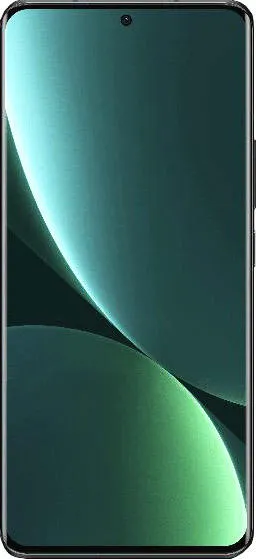
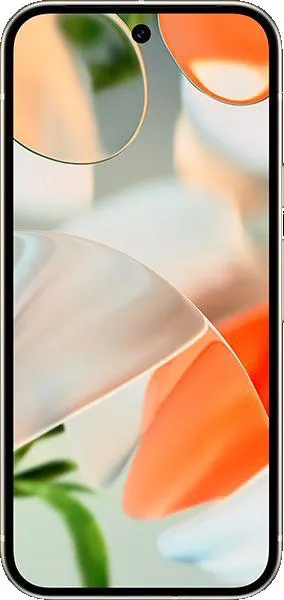
Let's dive into a comparative analysis of the Xiaomi 13 Pro and the Google Pixel 9, dissecting their technical specifications and translating them into real-world user experiences.
1. Specifications Breakdown
| Feature | Xiaomi 13 Pro | Google Pixel 9 | Real-World Implications |
|---|---|---|---|
| Design | |||
| Dimensions (mm) | 162.9 x 74.6 x 8.4 | 152.8 x 72 x 8.5 | Xiaomi 13 Pro is slightly larger and heavier. Pixel 9 might be more pocketable. |
| Weight (g) | 210 | 198 | Noticeable difference in hand, especially for extended use. |
| Build Materials | Ceramic | Not specified (likely glass/metal) | Ceramic offers potential durability advantages but can be more slippery. |
| Display | |||
| Size (inches) | 6.73 | 6.3 | Xiaomi offers a larger screen for more immersive media consumption. Pixel 9 provides a more one-hand-friendly experience. |
| Resolution | 1440 x 3200 | 1080 x 2424 | Xiaomi boasts significantly higher resolution for sharper details and text. Pixel 9's resolution is still respectable for its size. |
| Type | LTPO AMOLED | OLED | Both offer vibrant colors and deep blacks. LTPO on Xiaomi allows for dynamic refresh rate, potentially saving battery. |
| Refresh Rate (Hz) | 120 | 120 | Smooth scrolling and animations on both. |
| Peak Brightness | 1900 nits | 2700 nits (claimed) | Pixel 9 claims superior peak brightness for better outdoor visibility, pending real-world testing. |
| Performance | |||
| Chipset | Snapdragon 8 Gen 2 | Google Tensor G4 | Both are flagship-level processors. Tensor G4 emphasizes AI and machine learning capabilities. Real-world performance needs testing. |
| CPU | Octa-core (up to 3.2 GHz) | Octa-core (up to 3.1 GHz) | Comparable CPU configurations. Clock speeds don't tell the whole story; architecture and optimization are key. |
| GPU | Adreno 740 | Mali-G715 MC7 | Adreno GPUs generally have a stronger gaming reputation. Real-world gaming performance comparison is needed. |
| RAM | 12GB | 12GB | Ample RAM for multitasking on both devices. |
| Camera | |||
| Main Sensor | 50MP Sony IMX989 (1-inch) | 50MP Samsung GNK (1/1.3-inch) | Both have high-resolution sensors. Xiaomi uses a larger sensor, potentially capturing more light and detail. |
| Ultrawide | 50MP Samsung JN1 | 48MP | High-resolution ultrawide on both, Xiaomi's megapixel count is slightly higher. |
| Telephoto | 50MP Samsung JN1 (3.2x optical) | Not specified | Xiaomi offers a dedicated telephoto lens for optical zoom, a clear advantage for versatility. |
| DxOMark Score | 136 | 154 | Pixel 9 scores higher in DxOMark tests, suggesting superior overall image quality. Real-world camera comparisons are crucial. |
| Battery Life | |||
| Capacity (mAh) | 4820 | 4700 | Similar battery capacities. Real-world battery life depends heavily on usage patterns and software optimization. |
2. Key Insights
- Display: Xiaomi 13 Pro offers a larger, sharper display ideal for media consumption. Pixel 9's claimed higher peak brightness could be advantageous outdoors.
- Performance: Both phones pack powerful processors. Tensor G4 might excel in AI-driven tasks, while Snapdragon 8 Gen 2 generally leads in raw performance and gaming.
- Camera: Xiaomi's triple camera system with a dedicated telephoto lens offers greater versatility. While Pixel 9 achieves a higher DxOMark score, real-world image comparisons are essential to evaluate practical differences.
- Battery: Battery life is a toss-up based on specs alone. Real-world usage will determine the winner.
3. User Profiles and Recommendations
- Xiaomi 13 Pro: Suited for users who prioritize a large, high-resolution display, versatile camera system with optical zoom, and potentially stronger gaming performance.
- Google Pixel 9: Ideal for users who value a compact form factor, potentially brighter display, a camera focused on computational photography excellence, and seamless integration with Google's ecosystem.
4. Buying Decision Framework
- What screen size do you prefer? Larger (Xiaomi) or more compact (Pixel)?
- Is a dedicated telephoto lens important to you? Yes (Xiaomi), No (Pixel).
- Which camera philosophy do you prefer? Hardware-focused versatility (Xiaomi) or software-driven computational photography (Pixel)?
My Choice: Google Pixel 9
While the Xiaomi 13 Pro boasts impressive hardware, especially in the display and camera versatility departments, I would choose the Google Pixel 9. My decision hinges on the following:
- Software Experience: As a tech journalist deeply embedded in the Android ecosystem, I value the pure Android experience with timely updates and AI-powered features that Pixel phones offer.
- Camera Prowess: While Xiaomi has made strides in camera technology, Google's computational photography consistently impresses me. The higher DxOMark score, combined with Google's track record, suggests the Pixel 9 will deliver exceptional image quality.
- Compact Form Factor: I prefer a slightly smaller phone that's easier to handle and carry. The Pixel 9's purportedly brighter display is also a plus for outdoor use.
Ultimately, the Pixel 9's cleaner software, computational photography strengths, and compact design align better with my personal preferences and usage patterns. However, the Xiaomi 13 Pro remains a compelling option for users who prioritize display size, camera versatility, and potentially higher gaming performance.
