Xiaomi 13 Pro vs. Google Pixel 8a: A Deep Dive
The smartphone landscape is constantly evolving, and choosing the right device can feel overwhelming. Today, we'll dissect two compelling contenders: the Xiaomi 13 Pro and the Google Pixel 8a. By blending technical expertise with real-world insights, we'll empower you to decide which phone best fits your needs.
1. Specifications Breakdown
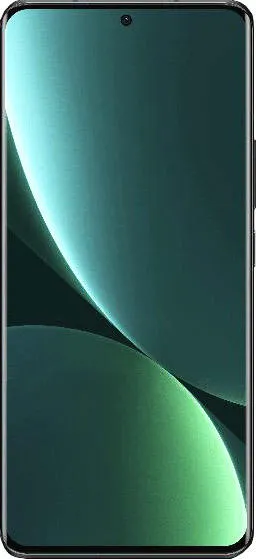
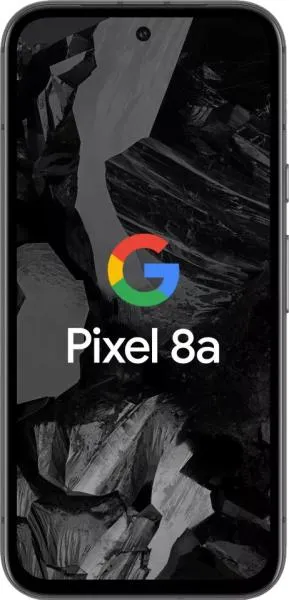
| Feature | Xiaomi 13 Pro | Google Pixel 8a | Real-World Implications |
|---|---|---|---|
| Design | |||
| Dimensions (mm) | 162.9 x 74.6 x 8.4 | 152.1 x 72.7 x 8.9 | Pixel 8a is noticeably smaller and lighter, enhancing one-handed usability. |
| Weight (g) | 210 | 188 | Lighter Pixel 8a reduces hand fatigue during extended use. |
| Display | |||
| Size (inches) | 6.73 | 6.1 | Xiaomi offers a larger, more immersive screen for media consumption. |
| Resolution | 1440 x 3200 | 1080 x 2400 | Xiaomi boasts sharper visuals due to higher pixel density (522 vs. 430 PPI). |
| Technology | LTPO AMOLED | OLED | Xiaomi's LTPO panel enables dynamic refresh rate adjustment, potentially saving battery. |
| Refresh Rate (Hz) | 120 | 120 | Both offer smooth scrolling and animations. |
| Peak Brightness | 1900 nits | 2000 nits (peak) | Pixel 8a may offer slightly better visibility in direct sunlight but real-world difference may be minimal. |
| Performance | |||
| Chipset | Snapdragon 8 Gen 2 | Google Tensor G3 | Both are flagship-level processors, but benchmarks will reveal performance differences. |
| CPU | Octa-core (up to 3.2 GHz) | Nona-core (up to 3.0 GHz) | Core configuration suggests potential multitasking advantages for the Tensor G3. |
| RAM (GB) | 12 | 8 | Xiaomi offers more RAM for demanding applications and multitasking. |
| Camera | |||
| Main Sensor (MP) | 50 (1-inch Sony IMX989) | 64 (Sony IMX787) | Xiaomi's larger sensor potentially captures more light and detail, especially in low light. |
| Ultrawide (MP) | 50 | 13 | Xiaomi offers a significantly higher resolution ultrawide camera. |
| Telephoto (MP) | 50 | N/A | Xiaomi features a dedicated telephoto lens for optical zoom. |
| Battery Life | |||
| Capacity (mAh) | 4820 | 4492 | Xiaomi has a slightly larger battery. |
2. Key Insights
The Xiaomi 13 Pro emphasizes a premium multimedia experience with its larger, higher-resolution display, powerful Snapdragon processor, and versatile triple-camera system, including a 1-inch main sensor. The Pixel 8a, while less spec-heavy, focuses on a refined software experience powered by the Google Tensor G3, known for its AI capabilities and computational photography prowess. The Pixel 8a is also physically smaller, potentially appealing to those who prioritize one-handed use.
3. User Profiles and Recommendations
Xiaomi 13 Pro: Ideal for power users, photographers, and videographers who demand top-tier performance, a stunning display, and a versatile camera system.
Google Pixel 8a: Well-suited for users who value a clean Android experience, excellent camera performance (especially in challenging lighting), and a compact form factor. The lower price point makes it a compelling option for budget-conscious buyers.
4. Buying Decision Framework
- What is your budget? The Xiaomi 13 Pro falls into a higher price bracket than the Pixel 8a.
- What screen size do you prefer? Do you prioritize a large, immersive display or a more compact, pocketable device?
- What are your photography priorities? The Xiaomi offers more versatility with its triple camera setup, while the Pixel excels in computational photography and potentially low-light performance.
My Choice: Xiaomi 13 Pro
While the Pixel 8a offers an attractive blend of performance and value, I would choose the Xiaomi 13 Pro. As a tech enthusiast who frequently captures photos and videos, the superior camera system, particularly the 1-inch sensor and dedicated telephoto lens, is a major draw. The larger, higher-resolution LTPO AMOLED display also significantly enhances my multimedia consumption experience. While the price premium is notable, the Xiaomi 13 Pro's comprehensive feature set aligns better with my personal needs and priorities. The extra RAM is also a plus for my multitasking workflow. However, I acknowledge that for many users, the Pixel 8a represents a compelling alternative with its excellent software, competitive camera, and more accessible price.
