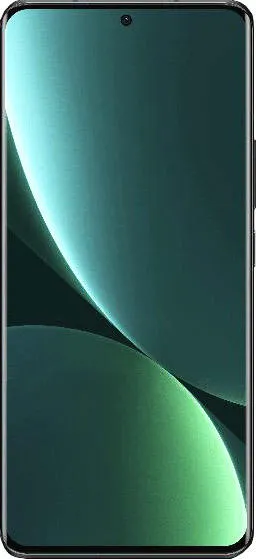
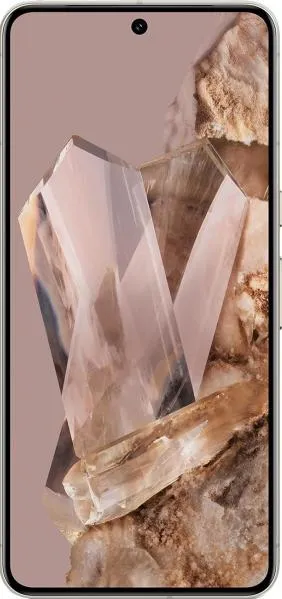
Let's dive into a comprehensive comparison of the Xiaomi 13 Pro and the Google Pixel 8 Pro, dissecting their technical specifications and translating them into real-world user experiences.
1. Specifications Breakdown
| Feature | Xiaomi 13 Pro | Google Pixel 8 Pro | Real-World Implications |
|---|---|---|---|
| Design | |||
| Dimensions (mm) | 162.9 x 74.6 x 8.4 | 162.6 x 76.5 x 8.8 | Pixel 8 Pro is slightly wider and thicker. Xiaomi 13 Pro might feel a tad more compact in hand. |
| Weight (g) | 210 | 213 | Negligible weight difference; both feel substantial in hand. |
| Display | |||
| Size (inches) | 6.73 | 6.7 | Virtually identical screen real estate. |
| Resolution (px) | 1440 x 3200 | 1344 x 2992 | Xiaomi boasts a sharper display due to higher pixel density. Noticeable in fine details and text. |
| Type | LTPO AMOLED | LTPO OLED | Both offer smooth scrolling and potential for battery savings due to adaptive refresh rates. |
| Peak Brightness | 1900 nits | 2400 nits | Pixel 8 Pro significantly brighter, enhancing outdoor visibility. |
| Performance | |||
| Chipset | Snapdragon 8 Gen 2 | Google Tensor G3 | Both are flagship processors, but benchmarks will reveal performance nuances. Tensor G3 excels in AI. |
| CPU | Octa-core | Nona-core | Core configuration differences may impact multitasking and specific workloads. |
| RAM (GB) | 12 | 12 | Ample RAM for smooth multitasking on both devices. |
| Camera | |||
| Main Sensor (MP) | 50 | 50 | Comparable resolution, but sensor size and processing will determine image quality differences. |
| Ultrawide (MP) | 50 | 48 | Similar ultrawide capabilities, but details in lens quality and field of view will matter. |
| Telephoto (MP) | 50 | 48 | Pixel traditionally excels in computational photography, especially zoom. Leica tuning on Xiaomi. |
| Battery Life | |||
| Capacity (mAh) | 4820 | 5050 | Pixel 8 Pro has a larger battery, potentially leading to longer usage time. |
2. Key Insights
- Display: While both phones boast stunning displays, the Xiaomi 13 Pro edges out the Pixel in sharpness thanks to its higher resolution. However, the Pixel 8 Pro fights back with a significantly brighter panel, making it a champion in direct sunlight.
- Performance: It's a battle of the titans in the processing arena. Snapdragon 8 Gen 2 is renowned for its raw power, whereas Google's Tensor G3 leans heavily into AI and machine learning, promising unique software experiences and potentially superior image processing.
- Camera: This is where the competition truly heats up. Xiaomi’s partnership with Leica and its impressive hardware suggests a focus on image quality and natural color reproduction. Google, on the other hand, consistently raises the bar with its computational photography prowess, especially in areas like Night Sight and Super Res Zoom. Real-world image comparisons will be crucial to determine a clear winner.
- Battery: The Pixel 8 Pro's larger battery capacity hints at longer endurance. However, real-world battery life depends heavily on software optimization and usage patterns.
3. User Profiles and Recommendations
- Xiaomi 13 Pro: Users prioritizing a sharp display, potentially faster processing for demanding tasks, and Leica's renowned imaging aesthetics will find the Xiaomi 13 Pro appealing.
- Google Pixel 8 Pro: Users who value a vibrant, bright display, cutting-edge AI features, a clean Android experience with guaranteed updates, and Google's exceptional camera software should lean towards the Pixel 8 Pro.
4. Buying Decision Framework
- What is your top priority? (e.g., display quality, camera performance, software experience, battery life)
- What is your budget? (Xiaomi tends to be more aggressively priced, while Pixel sits in the premium segment)
- How important is a clean Android experience with timely updates? (Pixel offers a pure Google experience with longer software support)
My Choice
If I had to choose, I'd lean towards the Google Pixel 8 Pro. While the Xiaomi 13 Pro offers compelling hardware, particularly in the display department, the Pixel's overall package is more aligned with my personal preferences. The combination of a bright display, Google's clean software experience with guaranteed updates, the Tensor G3's AI capabilities, and the historically strong camera performance makes it a winner for me. I prioritize software experience and consistent updates, and I'm intrigued by the potential of the Tensor G3's AI enhancements. Moreover, the brighter display is a significant advantage for outdoor use.
