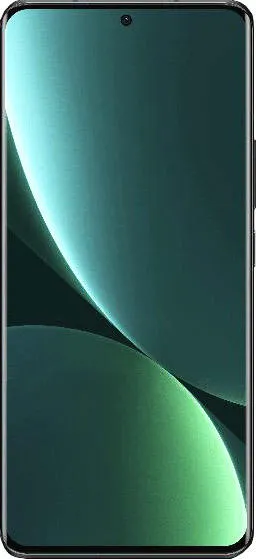

Xiaomi 13 Pro vs. Google Pixel 8: A Deep Dive for the Discerning Smartphone User
The smartphone landscape is a battlefield, and two contenders vying for your attention are the Xiaomi 13 Pro and the Google Pixel 8. Both boast impressive specs, but as we'll see, their strengths cater to different needs. Let's dissect these devices, translating the technical jargon into real-world implications for you, the user.
1. Specifications Breakdown
| Feature | Xiaomi 13 Pro | Google Pixel 8 | Real-World Implications |
|---|---|---|---|
| Design | |||
| Dimensions (mm) | 162.9 x 74.6 x 8.4 | 150.5 x 70.8 x 8.9 | Pixel 8 is noticeably smaller and lighter, making it more pocketable for one-handed use. |
| Weight (g) | 210 | 187 | Lighter Pixel 8 reduces hand fatigue during extended use. |
| Display | |||
| Size (inches) | 6.73 | 6.2 | Xiaomi offers a larger screen for immersive media consumption. |
| Resolution | 1440 x 3200 | 1080 x 2400 | Xiaomi boasts sharper visuals due to higher pixel density. |
| Type | LTPO AMOLED | OLED | Both offer vibrant colors and deep blacks, but Xiaomi's LTPO allows for dynamic refresh rate, conserving battery. |
| Refresh Rate | 120Hz | 120Hz | Both provide smooth scrolling and animations. |
| Peak Brightness | 1900 nits | 2000 nits | Pixel 8 might be slightly more readable in direct sunlight. |
| Performance | |||
| Chipset | Snapdragon 8 Gen 2 | Google Tensor G3 | Both are flagship processors, but benchmarks will reveal nuanced performance differences in gaming and multitasking. |
| RAM | 12GB | 8GB | Xiaomi's extra RAM could provide smoother performance with heavy multitasking. |
| Camera | |||
| Main Sensor | 50MP, 1-inch Sony IMX989 | 50MP, Samsung GNV | Both have high-resolution sensors, but Xiaomi's larger sensor potentially captures more light and detail. |
| DxOMark Score | 136 | 148 | Pixel 8 scores higher overall in DxOMark tests, suggesting superior image processing. |
| Battery Life | |||
| Capacity | 4820 mAh | 4575 mAh | Xiaomi has a slightly larger battery, but real-world battery life depends on usage and optimization. |
2. Key Insights
Xiaomi 13 Pro: This phone prioritizes a premium multimedia experience with its larger, higher-resolution LTPO AMOLED display and powerful Snapdragon processor. The larger camera sensor promises excellent low-light photography.
Google Pixel 8: Google emphasizes computational photography with its Tensor G3 chip, promising class-leading image quality despite a smaller main sensor. Its smaller form factor and lighter weight enhance portability.
3. User Profiles and Recommendations
Xiaomi 13 Pro: Ideal for power users, mobile gamers, and content creators who demand top-tier performance, a stunning display, and advanced camera features.
Google Pixel 8: Best suited for users who prioritize a clean Android experience, exceptional camera performance, compact design, and the latest software updates.
4. Buying Decision Framework
- What is your budget? The Xiaomi 13 Pro typically falls in a higher price bracket than the Pixel 8.
- Do you prioritize a large screen and top-tier hardware or a compact phone with excellent camera software?
- How important is software update longevity? The Pixel 8, being a Google phone, will receive longer software support.
My Choice: The Google Pixel 8
While the Xiaomi 13 Pro is undeniably a powerhouse, I would choose the Google Pixel 8. My decision hinges on a few key factors. First, I value the clean, uncluttered Android experience and the guaranteed long-term software updates that come with a Pixel device. Second, while I appreciate the larger screen of the Xiaomi, the Pixel 8's size and weight are more appealing for everyday carry and one-handed use. Finally, the Pixel's consistent track record of delivering exceptional image quality through computational photography, as evidenced by the higher DxOMark score, outweighs the Xiaomi's larger sensor for my personal photography needs. Ultimately, the Pixel 8 strikes a compelling balance between performance, features, user experience, and price that aligns more closely with my priorities.
