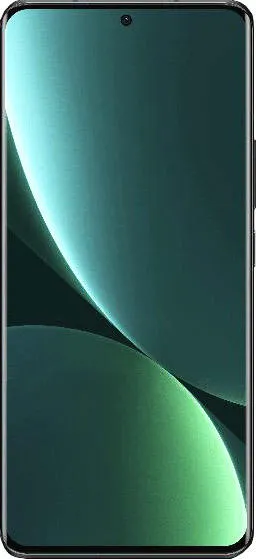
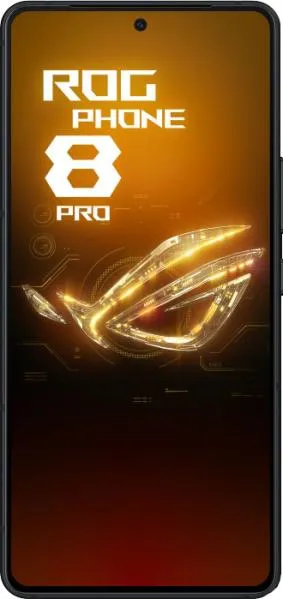
Xiaomi 13 Pro vs. Asus ROG Phone 8 Pro: A Deep Dive
Let's dissect these two powerhouse smartphones, the Xiaomi 13 Pro and the Asus ROG Phone 8 Pro, and see which one comes out on top for different user needs.
1. Specifications Breakdown
| Feature | Xiaomi 13 Pro | Asus ROG Phone 8 Pro | Real-World Implications |
|---|---|---|---|
| Design | |||
| Dimensions (mm) | 162.9 x 74.6 x 8.4 | 163.8 x 76.8 x 8.9 | ROG Phone 8 Pro is slightly larger and thicker. |
| Weight (g) | 210 | 225 | ROG Phone 8 Pro is noticeably heavier. Impacts one-handed use and pocket comfort. |
| Build Materials | Ceramic, Glass | Glass, Metal | Both premium, but ceramic on Xiaomi could offer better scratch resistance. |
| Display | |||
| Size (inches) | 6.73 | 6.78 | Negligible difference in screen real estate. |
| Resolution | 1440 x 3200 | 1080 x 2400 | Xiaomi boasts significantly sharper visuals due to higher pixel density (522 vs 388 ppi). |
| Refresh Rate (Hz) | 120 | 165 | ROG Phone 8 Pro offers smoother animations and scrolling, especially noticeable in gaming. |
| Display Type | LTPO AMOLED | LTPO AMOLED | Both offer excellent color accuracy, deep blacks, and power efficiency. |
| Peak Brightness | 1900 nits | 2500 nits | ROG Phone 8 Pro gets significantly brighter, improving outdoor visibility. |
| Performance | |||
| Chipset | Snapdragon 8 Gen 2 | Snapdragon 8 Gen 3 | ROG Phone 8 Pro has a newer, more powerful processor, leading to faster performance overall. |
| RAM (GB) | 12 | 16/24 | More RAM on ROG Phone 8 Pro allows for smoother multitasking and demanding applications |
| GPU | Adreno 740 | Adreno 750 | ROG Phone 8 Pro's GPU offers a performance boost, benefiting gaming and graphically intensive tasks. |
| Camera | |||
| Main Sensor | 50MP Sony IMX989 | 50MP Sony IMX890 | Both have excellent main sensors; differences will likely be subtle. DXOMark score missing for ROG Phone 8 Pro hinders objective comparison. |
| Ultrawide | 50MP | 13MP | Xiaomi offers a much higher resolution ultrawide. |
| Telephoto | 50MP | 32MP | Both offer telephoto capabilities; Xiaomi's higher resolution might offer slightly better detail. |
| Battery Life | |||
| Capacity (mAh) | 4820 | 5500 | ROG Phone 8 Pro has a significantly larger battery, potentially lasting much longer on a single charge. |
2. Key Insights
- Performance: The ROG Phone 8 Pro, with its newer Snapdragon 8 Gen 3 and ample RAM, is the clear performance champion. This translates to faster app loading, smoother multitasking, and superior gaming capabilities. The Xiaomi 13 Pro is no slouch, but the ROG Phone 8 Pro is built for speed.
- Display: Both phones have stunning AMOLED displays. However, the ROG Phone 8 Pro's higher refresh rate makes for a noticeably smoother experience, particularly for gamers. Its superior peak brightness also makes it easier to use outdoors. Xiaomi claws back some ground with its much sharper display.
- Camera: While both phones feature impressive camera hardware, the lack of DXOMark scores for the ROG Phone 8 Pro makes a direct comparison difficult. On paper, the Xiaomi 13 Pro boasts a higher resolution ultrawide and telephoto lens, suggesting a potential advantage in versatility and detail. However, real-world performance will depend on factors beyond specifications, such as image processing.
- Battery: The ROG Phone 8 Pro's larger 6000mAh battery likely offers significantly longer battery life. This is crucial for power users and gamers.
3. User Profiles and Recommendations
- Xiaomi 13 Pro: Best suited for users who prioritize a compact, premium design, a stunningly sharp display, and a versatile camera system. It's a great all-around flagship for everyday use, photography enthusiasts, and those who value a pocketable device.
- Asus ROG Phone 8 Pro: Ideal for hardcore mobile gamers, power users, and anyone who demands top-tier performance and a long-lasting battery. The higher refresh rate display, powerful processor, and gaming-centric features make it a mobile gaming beast.
4. Buying Decision Framework
- What is your primary use case? Gaming and heavy multitasking? ROG Phone 8 Pro. Everyday use, photography, and portability? Xiaomi 13 Pro.
- What is your budget? The ROG Phone 8 Pro, while offering more powerful specs, is more expensive. The Xiaomi 13 Pro offers excellent value for its price.
- How important is battery life? If all-day battery life is a must-have, the ROG Phone 8 Pro's larger battery is a significant advantage.
My Choice: Xiaomi 13 Pro
While the ROG Phone 8 Pro is undeniably a performance beast, I would choose the Xiaomi 13 Pro. My priorities lean towards a more balanced device. The Xiaomi 13 Pro's sharper display, more compact form factor, and potentially superior camera system (pending real-world reviews of the ROG Phone 8 Pro's camera) are more appealing to me. I'm not a hardcore mobile gamer, so the ROG Phone's extra performance and gaming features wouldn't be fully utilized. The Xiaomi 13 Pro strikes a better balance between performance, portability, camera quality, and price for my personal needs. Plus, that ceramic back is just beautiful.
