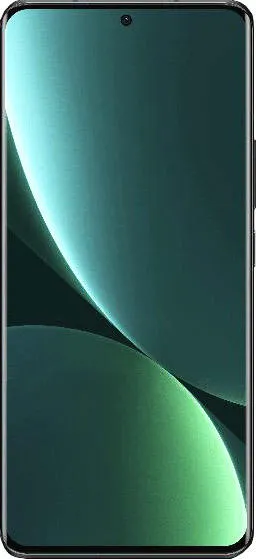
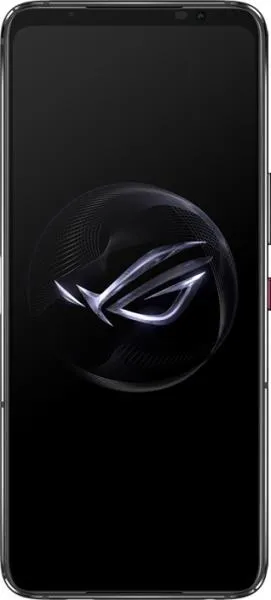
Xiaomi 13 Pro vs. Asus ROG Phone 7: A Deep Dive for the Discerning User
The smartphone landscape is a battlefield, and two titans clash today: the Xiaomi 13 Pro and the Asus ROG Phone 7. Both boast cutting-edge specs, but their target audiences and strengths diverge significantly. Let's dissect these devices, translating the technical jargon into real-world implications for you.
1. Specifications Breakdown
| Feature | Xiaomi 13 Pro | Asus ROG Phone 7 | Real-World Implications |
|---|---|---|---|
| Design | |||
| Dimensions (mm) | 162.9 x 74.6 x 8.4 | 173 x 77 x 10.3 | ROG Phone 7 is larger and noticeably thicker, impacting one-handed use. |
| Weight (g) | 210 | 239 | Xiaomi 13 Pro is more pocketable and comfortable for extended use. ROG Phone 7's weight hints at a more robust build and larger battery. |
| Display | |||
| Size (inches) | 6.73 | 6.78 | Negligible difference in screen real estate. |
| Resolution | 1440 x 3200 | 1080 x 2448 | Xiaomi 13 Pro offers significantly sharper visuals due to higher pixel density (522 ppi vs. 395 ppi), noticeable in text clarity and image detail. |
| Refresh Rate (Hz) | 120 (LTPO) | 165 | ROG Phone 7 boasts a higher refresh rate for smoother animations and gaming, but Xiaomi's LTPO allows for dynamic refresh rate adjustment, saving battery. |
| Display Type | LTPO AMOLED | AMOLED | Both offer vibrant colors and deep blacks, but Xiaomi's LTPO panel allows for more granular control over refresh rate, leading to potential power savings. |
| Performance | |||
| Chipset | Snapdragon 8 Gen 2 | Snapdragon 8 Gen 2 | Both phones offer top-tier performance, minimizing differences in app loading, multitasking, and demanding games. |
| RAM (GB) | 12 | 12/16 | ROG Phone 7 offers a 16GB RAM option for extreme multitasking, but 12GB is ample for most users on both devices. |
| Camera | |||
| Main Sensor | 50MP (1-inch) | 50MP | Xiaomi 13 Pro features a significantly larger sensor (1-inch), promising superior low-light performance and depth of field. |
| Ultrawide | 50MP | 13MP | Xiaomi packs a higher resolution ultrawide, capturing more detail. |
| Telephoto | 50MP | 5MP Macro | Xiaomi offers a dedicated telephoto lens for optical zoom, while ROG Phone 7 has a macro lens for close-up shots; a crucial difference for many users. |
| Battery Life | |||
| Capacity (mAh) | 4820 | 6000 | ROG Phone 7 boasts a much larger battery, likely translating to significantly longer usage time. |
2. Key Insights
The Xiaomi 13 Pro excels in display quality and camera capabilities. Its larger main and ultrawide sensors, coupled with a dedicated telephoto lens, promise a superior photography experience. The higher resolution and LTPO display deliver stunning visuals while conserving battery.
The Asus ROG Phone 7 prioritizes gaming performance and battery life. Its higher refresh rate display and massive 6000mAh battery cater to extended gaming sessions. The side-mounted USB-C port and accessory connector further enhance the gaming experience. While its camera system is competent, it's not the device's primary focus.
3. User Profiles and Recommendations
Xiaomi 13 Pro: Ideal for photography enthusiasts, content creators, and users who prioritize display quality and a premium, compact design.
Asus ROG Phone 7: Best suited for mobile gamers, power users who demand extended battery life, and those who value specialized gaming features.
4. Buying Decision Framework
- What is your primary use case? Photography and general use? Gaming and extended battery?
- What is your budget? Both are high-end devices, but ROG Phone 7 might offer slightly better value due to its gaming focus.
- How important is portability and one-handed use? Xiaomi 13 Pro is the clear winner here.
My Choice: The Xiaomi 13 Pro
While I appreciate the ROG Phone 7's gaming prowess and impressive battery, the Xiaomi 13 Pro aligns more closely with my needs. As a tech journalist, I prioritize a superb camera system for capturing events and showcasing devices. The 1-inch main sensor and dedicated telephoto lens are compelling. Furthermore, I value a sharp, vibrant display for consuming content and showcasing visuals. The Xiaomi 13 Pro delivers on both fronts while maintaining a more pocketable form factor, which I find crucial for daily use. While the ROG Phone 7 offers a longer battery life, I'm willing to sacrifice some battery capacity for a more well-rounded, premium experience.
