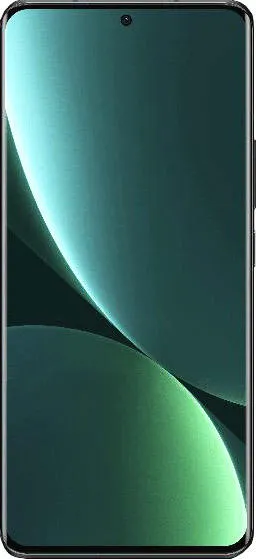
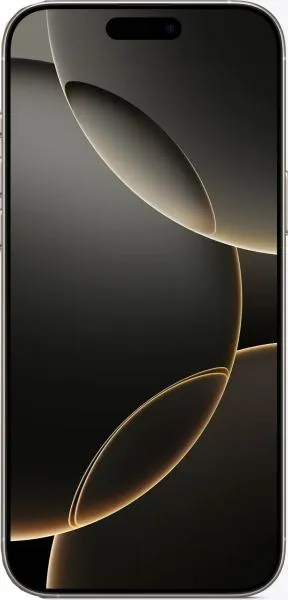
Xiaomi 13 Pro vs. Apple iPhone 16 Pro Max: A Deep Dive
Hello, fellow tech enthusiasts! Alex Griffin here, ready to dissect the Xiaomi 13 Pro and the Apple iPhone 16 Pro Max. We'll go beyond the spec sheets to understand what these impressive devices offer in the real world.
1. Specifications Breakdown
| Feature | Xiaomi 13 Pro | Apple iPhone 16 Pro Max | Real-World Implications |
|---|---|---|---|
| Design | |||
| Dimensions (mm) | 162.9 x 74.6 x 8.4 | 163 x 77.6 x 8.3 | iPhone 16 Pro Max is slightly larger and heavier. |
| Weight (g) | 210 | 227 | Noticeable difference in hand, Xiaomi feels lighter. |
| Display | |||
| Size (inches) | 6.73 | 6.9 | iPhone offers a larger screen for immersive content. |
| Resolution (px) | 1440 x 3200 | 1320 x 2868 | Xiaomi boasts sharper visuals due to higher pixel density. |
| Refresh Rate (Hz) | 120 | 120 | Both offer smooth scrolling and animations. |
| Display Type | LTPO AMOLED | LTPO Super Retina XDR OLED | Both are high-quality displays; Xiaomi's potentially brighter at peak. |
| Performance | |||
| Chipset | Snapdragon 8 Gen 2 | Apple A18 Pro | Both are flagship chipsets, expect top-tier performance. A18 likely edges out in benchmarks due to Apple's vertical integration. |
| CPU | Octa-core | Hexa-core | Core configuration difference, real-world impact depends on optimization. |
| RAM (GB) | 12 | 8 | Xiaomi has more RAM for multitasking, though iOS often manages memory more efficiently. |
| Camera | |||
| Main Camera (MP) | 50 | 48 | Megapixel count similar, image quality hinges on sensor size, processing. Xiaomi uses a larger 1-inch sensor on the main camera. |
| Ultrawide (MP) | 50 | 48 | Both offer high-resolution ultrawide, Xiaomi might have an edge in low light thanks to a larger sensor. |
| Telephoto (MP) | 50 | 12 | Xiaomi boasts a higher resolution telephoto lens. |
| DxOMark Score | 136 | 157 | iPhone 16 Pro Max scores higher in DxOMark tests, suggesting superior overall camera performance. |
| Battery Life | |||
| Capacity (mAh) | 4820 | 4685 | Xiaomi has a slightly larger battery. Real-world battery life depends on usage and software optimization. |
2. Key Insights
- Display: The Xiaomi 13 Pro offers a slightly sharper display, while the iPhone 16 Pro Max provides a larger canvas. Both utilize LTPO technology for adaptive refresh rates, optimizing battery life.
- Performance: Both phones are performance powerhouses. The A18 Pro in the iPhone will likely lead in benchmarks, but the Snapdragon 8 Gen 2 in the Xiaomi 13 Pro is no slouch. Xiaomi's larger RAM could be beneficial for heavy multitaskers.
- Camera: While the iPhone 16 Pro Max boasts a higher DxOMark score, the Xiaomi 13 Pro features a larger main sensor potentially capturing more light and detail. The Xiaomi also features a higher-resolution telephoto lens. Real-world image quality will depend on individual preferences and shooting conditions.
- Software: A core differentiator is the operating system. Android on the Xiaomi offers customization and flexibility, while iOS on the iPhone prioritizes ease of use and a tightly controlled ecosystem.
3. User Profiles and Recommendations
- Xiaomi 13 Pro: Best suited for Android enthusiasts, power users who value customization, and those seeking a potentially sharper display and larger battery. The impressive camera system makes it a strong contender for photography enthusiasts as well.
- iPhone 16 Pro Max: Ideal for users entrenched in the Apple ecosystem, prioritizing ease of use, a seamless user experience, and top-notch camera performance as validated by DxOMark. The larger display is a boon for content consumption.
4. Buying Decision Framework
- Which operating system do you prefer? Android offers flexibility; iOS provides simplicity.
- What is your priority: display sharpness or size? Xiaomi for sharpness; iPhone for size.
- What is your budget and how important is the price-to-performance ratio? The Xiaomi 13 Pro, being an older generation, is likely more affordable now.
My Choice:
If I were choosing today, I'd lean towards the iPhone 16 Pro Max. While the Xiaomi 13 Pro offers compelling hardware, especially the camera with its larger sensor, I value the seamless integration and refined software experience of the Apple ecosystem. The slightly larger display on the iPhone is also appealing for media consumption. Furthermore, the higher DxOMark score suggests a more consistently excellent camera experience, although I acknowledge Xiaomi's hardware advantages in specific areas. Finally, access to the latest iOS advancements and longer software support cycle make the iPhone 16 Pro Max a more future-proof investment for me.
