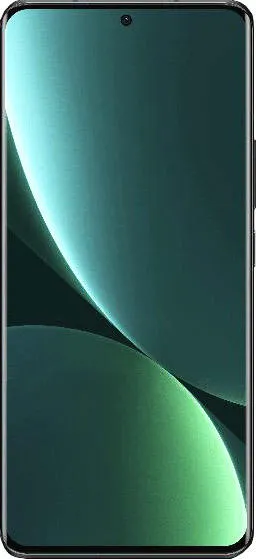
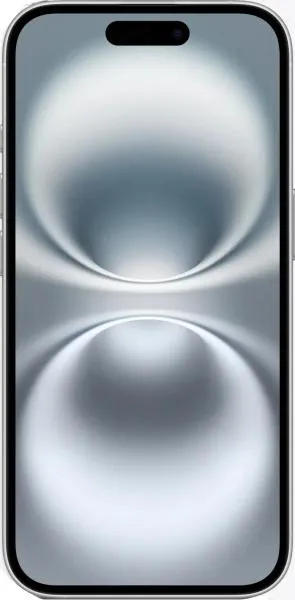
Xiaomi 13 Pro vs. Apple iPhone 16: A Deep Dive
Let's dissect the Xiaomi 13 Pro and the Apple iPhone 16, going beyond the spec sheet to understand what these phones offer in the real world.
1. Specifications Breakdown
| Feature | Xiaomi 13 Pro | Apple iPhone 16 | Real-World Implications | |||||
|---|---|---|---|---|---|---|---|---|
| Design | ||||||||
| Dimensions (mm) | 162.9 x 74.6 x 8.4 | 147.6 x 71.6 x 7.8 | iPhone 16 is noticeably smaller and lighter, enhancing one-handed usability. | |||||
| Weight (g) | 210 | 170 | Lighter iPhone 16 is more comfortable for extended use and pocket portability. | |||||
| Build Materials | Ceramic, Gorilla Glass Victus | Aluminum, Ceramic Shield | Both offer premium materials, but ceramic on the 13 Pro potentially offers better scratch resistance. | |||||
| Display | ||||||||
| Size (inches) | 6.73 | 6.1 | Xiaomi offers a significantly larger screen for immersive content consumption. | |||||
| Resolution (px) | 1440 x 3200 | 1179 x 2556 | Xiaomi boasts a sharper display with higher pixel density, resulting in crisper visuals. | |||||
| Display Type | LTPO AMOLED | Super Retina XDR OLED | Both are high-quality OLED panels with vibrant colors and deep blacks. Xiaomi's LTPO allows for dynamic refresh rate, potentially saving battery. | |||||
| Peak Brightness | 1900 nits | 2000 nits | iPhone 16 edges out in peak brightness for better outdoor visibility. | Refresh Rate | 120Hz | Unspecified | Xiaomi's 120Hz provides smoother scrolling and animations. We need more information on the iPhone 16's refresh rate to compare effectively. | |
| Performance | ||||||||
| Chipset | Snapdragon 8 Gen 2 (4nm) | Apple A18 (3nm) | Both are flagship processors, but the A18's newer 3nm process likely translates to better efficiency and potentially performance. Real-world benchmarks are needed. | |||||
| CPU | Octa-core | Hexa-core | Core count differences don't directly equate to performance; architectural design and optimization matter more. | |||||
| RAM | 12GB | 8GB | Xiaomi offers more RAM, potentially beneficial for multitasking and demanding applications. | |||||
| Camera | ||||||||
| Main Camera | 50MP, Sony IMX989, f/1.9 | 48MP, Sony IMX904, f/1.6 | Both feature high-resolution sensors. iPhone's wider aperture might offer slightly better low-light performance. Real-world image comparisons are crucial. | |||||
| Ultrawide | 50MP, Samsung JN1, f/2.2 | 12MP, Sony IMX633, f/2.2 | Xiaomi's ultrawide boasts significantly higher resolution. | |||||
| Telephoto | 50MP, Samsung JN1, f/2.0, 3.2x | 2x optical zoom | Xiaomi offers a dedicated telephoto with higher resolution and optical zoom, providing greater versatility. iPhone's telephoto capabilities are unclear from this data. | |||||
| Battery Life | ||||||||
| Capacity (mAh) | 4820 | 3561 | Xiaomi has a considerably larger battery capacity, suggesting longer potential battery life. |
2. Key Insights
- Display: Xiaomi's larger, higher-resolution display with a 120Hz refresh rate offers a more immersive and fluid visual experience. However, the iPhone 16's slightly higher peak brightness might provide an edge in direct sunlight.
- Performance: While both phones boast cutting-edge processors, the A18's 3nm architecture likely translates to better power efficiency. Xiaomi's larger RAM capacity could provide an advantage in demanding tasks. Real-world testing is needed to confirm.
- Camera: Both phones feature impressive camera systems, but Xiaomi's triple 50MP setup with a dedicated telephoto lens provides greater versatility for various shooting scenarios. The iPhone's main camera with a wider aperture could excel in low-light conditions. DxOMark scores for the iPhone 16 would provide valuable context.
- Battery: The Xiaomi 13 Pro's significantly larger battery promises longer endurance. However, Apple's renowned optimization could narrow the gap in real-world usage.
3. User Profiles and Recommendations
- Xiaomi 13 Pro: Ideal for power users, multimedia enthusiasts, and mobile gamers who prioritize a large, high-refresh-rate display, robust performance, a versatile camera system, and long battery life.
- Apple iPhone 16: Suitable for users entrenched in the Apple ecosystem who value a compact and lightweight design, a bright OLED display, and expect top-tier performance and camera quality.
4. Buying Decision Framework
- What is your budget? The Xiaomi 13 Pro is positioned in a higher price range than the iPhone 16.
- Do you prioritize screen size and battery life or a more compact form factor? The Xiaomi 13 Pro excels in the former, while the iPhone 16 offers the latter.
- Which operating system do you prefer? Android on the Xiaomi offers greater customization, while iOS on the iPhone emphasizes simplicity and a seamless user experience.
My Choice: Xiaomi 13 Pro
If I were choosing between these two phones based solely on the provided specifications, I would opt for the Xiaomi 13 Pro. The combination of a larger, sharper display with a 120Hz refresh rate, a more versatile camera system with a dedicated telephoto lens, and a significantly larger battery capacity strongly appeals to my usage patterns. While the iPhone 16 boasts the latest A18 chip, the potential performance gains might not outweigh the advantages offered by the Xiaomi in other crucial areas. The difference in price is a consideration, but the Xiaomi's feature set justifies the higher cost for my needs. I value a large screen for media consumption and productivity, and the larger battery capacity provides peace of mind for all-day usage. Furthermore, the flexibility of the Xiaomi's camera system, especially the telephoto lens, aligns with my photography preferences.
