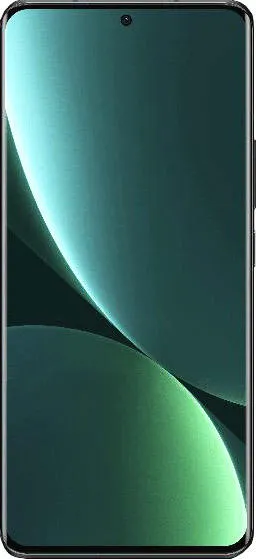
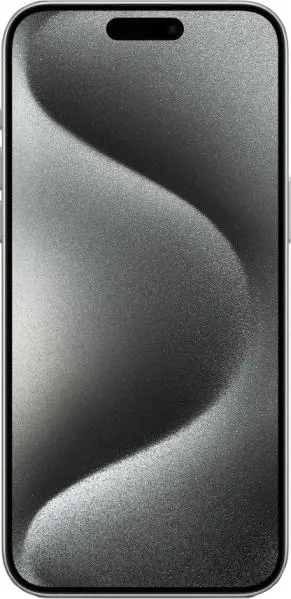
Xiaomi 13 Pro vs. Apple iPhone 15 Pro Max: A Deep Dive
Let's dissect the Xiaomi 13 Pro and the Apple iPhone 15 Pro Max, two titans of the smartphone arena. We'll go beyond the spec sheets to uncover what these numbers really mean for you.
1. Specifications Breakdown
| Feature | Xiaomi 13 Pro | Apple iPhone 15 Pro Max | Real-World Implications |
|---|---|---|---|
| Design | |||
| Dimensions (mm) | 162.9 x 74.6 x 8.4 | 159.9 x 76.7 x 8.3 | iPhone 15 Pro Max is slightly shorter and narrower, but both are large phones. |
| Weight (g) | 210 | 221 | Negligible difference in weight; both feel substantial in hand. |
| Build Materials | Ceramic, Glass | Titanium, Glass | Titanium offers superior durability and scratch resistance compared to ceramic. |
| Display | |||
| Size (inches) | 6.73 | 6.7 | Virtually identical screen real estate. |
| Resolution (px) | 1440 x 3200 | 1290 x 2796 | Xiaomi boasts a sharper display with higher pixel density (522 ppi vs. 460 ppi), resulting in crisper text and images. |
| Display Type | LTPO AMOLED | LTPO Super Retina XDR OLED | Both offer smooth 120Hz adaptive refresh rates for fluid scrolling and power efficiency. Xiaomi's higher peak brightness (1900 nits) might offer better outdoor visibility. |
| Performance | |||
| Chipset | Snapdragon 8 Gen 2 | Apple A17 Pro | A17 Pro, being a newer generation chip, is expected to deliver superior performance and efficiency, particularly in graphics-intensive tasks. |
| RAM (GB) | 12 | 8 | While the Xiaomi has more RAM, iOS's memory management often allows it to perform admirably with less. Real-world multitasking performance needs further testing. |
| Camera | |||
| Main Sensor (MP) | 50 MP (1-inch) | 48 MP | Xiaomi's larger 1-inch sensor potentially captures more light and detail, especially in low-light conditions. |
| DxOMark Score | 136 | 154 | iPhone 15 Pro Max scores significantly higher in DxOMark tests, indicating superior overall camera performance. |
| Battery Life | |||
| Capacity (mAh) | 4820 | 4421 | Xiaomi has a larger battery, suggesting potentially longer battery life. However, real-world usage depends on various factors including software optimization. |
2. Key Insights
- Performance: The A17 Pro chip in the iPhone 15 Pro Max likely edges out the Snapdragon 8 Gen 2 in raw power and efficiency, though both are top-tier performers.
- Camera: While Xiaomi boasts a larger main sensor, the iPhone 15 Pro Max achieves a higher DxOMark score, suggesting superior image processing and overall camera performance. Real-world camera comparisons are crucial.
- Display: Xiaomi's display offers a slightly higher resolution, resulting in crisper visuals. Both displays leverage LTPO technology for adaptive refresh rates, balancing smoothness and battery life.
- Durability: The iPhone 15 Pro Max's titanium frame offers a significant advantage in durability over the Xiaomi's ceramic construction.
- Software: The biggest differentiator is the operating system. iOS is known for its simplicity and tight integration with Apple's ecosystem, while Android offers greater customization and flexibility.
3. User Profiles and Recommendations
- Xiaomi 13 Pro: Users who prioritize a sharp display, potentially longer battery life (needs real-world testing), and Android's open ecosystem. Those seeking a compelling alternative to Apple's ecosystem.
- Apple iPhone 15 Pro Max: Users deeply invested in the Apple ecosystem, prioritizing overall performance, camera quality according to benchmark tests, and a durable device. Those seeking a premium flagship experience without compromise.
4. Buying Decision Framework
- Which ecosystem are you invested in? If you heavily rely on Apple services or own other Apple devices, the iPhone 15 Pro Max seamlessly integrates. If you prefer flexibility and customization or use other Google services, the Xiaomi 13 Pro aligns better.
- What's your budget? Pricing will play a significant role. Consider the value proposition offered by each device in relation to its price.
- What are your top priorities? Rank features like camera quality, performance, battery life, and display sharpness in order of importance. This will guide your decision.
My Choice: Apple iPhone 15 Pro Max
While the Xiaomi 13 Pro offers a compelling package, I would choose the iPhone 15 Pro Max. The A17 Pro chip's anticipated performance gains, the consistently strong camera performance indicated by DxOMark, the enhanced durability of the titanium frame, and the seamless integration within the Apple ecosystem (which I personally use) are decisive factors for me. Although the Xiaomi has a larger battery and sharper screen, those advantages are outweighed by the iPhone's strengths in areas that matter more to me. Ultimately, the choice comes down to individual priorities and preferences.
