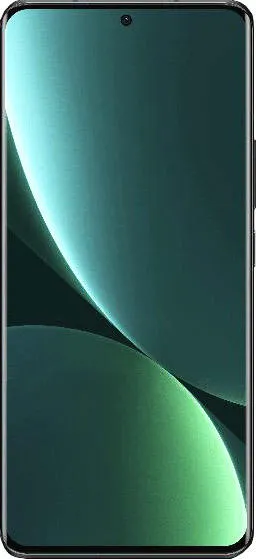
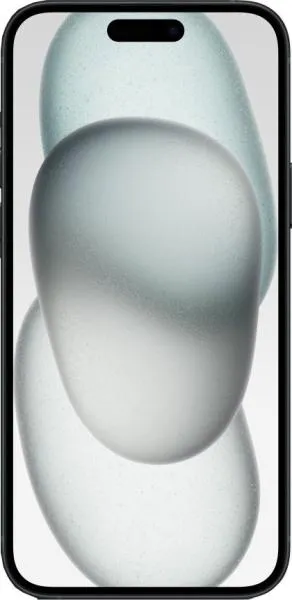
Xiaomi 13 Pro vs. Apple iPhone 15 Plus: A Deep Dive
Let's dissect the Xiaomi 13 Pro and the Apple iPhone 15 Plus, two compelling smartphones vying for your attention. We'll go beyond the spec sheet, translating technical jargon into real-world experiences to help you decide which phone fits your needs.
1. Specifications Breakdown
| Feature | Xiaomi 13 Pro | Apple iPhone 15 Plus | Real-World Implications |
|---|---|---|---|
| Design | |||
| Dimensions (mm) | 162.9 x 74.6 x 8.4 | 160.8 x 77.8 x 7.8 | Xiaomi is slightly taller and narrower; iPhone 15 Plus is thinner. Negligible difference in hand feel. |
| Weight (g) | 210 | 203 | Both feel substantial but manageable; Xiaomi is slightly heavier. |
| Build Materials | Ceramic, Aluminum Frame | Aluminum, Glass | Both premium materials; Ceramic offers potential scratch resistance advantage. |
| Display | |||
| Size (inches) | 6.73 | 6.7 | Virtually identical screen real estate. |
| Resolution (px) | 1440 x 3200 | 1290 x 2796 | Xiaomi boasts sharper visuals due to higher pixel density. Noticeable in fine details and text clarity. |
| Display Type | LTPO AMOLED | Super Retina XDR OLED | Both offer vibrant colors and deep blacks. LTPO allows for dynamic refresh rate, saving battery on Xiaomi. |
| Peak Brightness | 1900 nits | 2000 nits | Both get incredibly bright for excellent outdoor visibility; iPhone slightly brighter. |
| Performance | |||
| Chipset | Snapdragon 8 Gen 2 | Apple A16 Bionic | Both are top-tier chipsets offering blazing performance. A16 generally has a slight edge in benchmarks. |
| RAM (GB) | 12 | 6 | Xiaomi's larger RAM enables smoother multitasking and app switching, especially with demanding applications. |
| OS | Android 13 | iOS 17 | Preference-based; Android offers customization, iOS emphasizes simplicity and privacy. |
| Camera | |||
| Main Camera (MP) | 50 MP (1-inch sensor) | 48 MP | Xiaomi's larger sensor captures more light, potentially resulting in better low-light photos. |
| Ultrawide (MP) | 50 MP | 12 MP | Xiaomi offers significantly higher resolution for ultrawide shots. |
| Telephoto (MP) | 50 MP | 12MP (2x Optical Zoom) | Xiaomi offers a higher resolution telephoto lens with greater optical zoom capabilities. |
| DXOMARK Score | 136 | 145 | iPhone 15 Plus edges out in overall camera quality according to DXOMARK, particularly in video. |
| Battery Life | |||
| Capacity (mAh) | 4820 | 4323 | Xiaomi has a larger battery capacity, potentially translating to longer usage time. |
| Charging | 120W Wired, 50W Wireless | 20W Wired, 15W MagSafe Wireless | Xiaomi offers significantly faster wired and wireless charging. |
2. Key Insights
- Display: While both phones have stunning displays, the Xiaomi 13 Pro's higher resolution and LTPO technology give it a slight edge in sharpness and battery efficiency. iPhone 15 Plus counters with a slightly brighter peak brightness.
- Performance: Both phones are performance powerhouses. Xiaomi's larger RAM provides a tangible advantage in heavy multitasking. The choice between Android and iOS boils down to personal preference.
- Camera: This is a close call. Xiaomi's impressive hardware, especially the 1-inch main sensor and high-resolution ultrawide and telephoto lenses, suggests superior image quality, especially in low light. However, Apple's computational photography prowess, evidenced by the higher DXOMARK score, likely results in more consistent and refined results, especially in video recording.
- Battery and Charging: Xiaomi significantly outpaces the iPhone 15 Plus in both battery capacity and charging speeds. This translates to less time tethered to a charger and potentially a full day of heavy usage.
3. User Profiles and Recommendations
- Xiaomi 13 Pro: Best suited for power users, photographers seeking maximum hardware control, and those who prioritize fast charging and long battery life. Android enthusiasts will appreciate the customization options.
- Apple iPhone 15 Plus: Ideal for users entrenched in the Apple ecosystem, those prioritizing a streamlined user experience, and those who value consistent camera performance and video quality. Casual users will find iOS easy to navigate.
4. Buying Decision Framework
- What is your operating system preference? This is often the biggest deciding factor.
- What are your photography priorities? If you need ultimate hardware control and low-light performance, lean towards the Xiaomi. If you prefer consistent point-and-shoot quality and excellent video, the iPhone 15 Plus is compelling.
- How important is battery life and charging speed? If these are critical, the Xiaomi is the clear winner.
My Choice: The Xiaomi 13 Pro
While both are excellent phones, I'd choose the Xiaomi 13 Pro. As a tech enthusiast, I value the cutting-edge hardware, especially the display and camera system. The 1-inch sensor, combined with the high-resolution ultrawide and telephoto lenses, provides a level of photographic flexibility that excites me. The significantly faster charging and larger battery capacity align with my on-the-go lifestyle. While iOS has its merits, I prefer the customization and open nature of Android. The slightly higher price for the Xiaomi is justified by the significant advantages in key areas that matter most to me.
