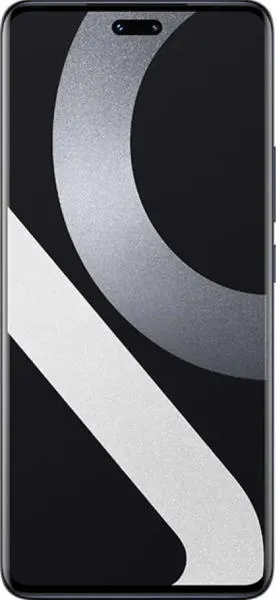
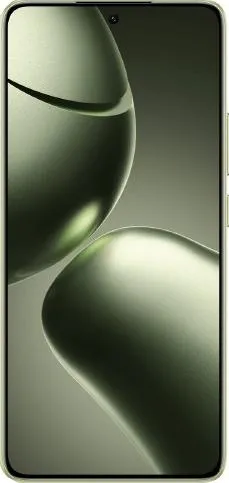
1. Specifications Comparison
| Feature | Xiaomi 13 Lite | Xiaomi 14T | Practical Impact |
|---|---|---|---|
| Design | |||
| Dimensions (mm) | 159.2 x 72.7 x 7.2 | 160.5 x 75.1 x 7.8 | 14T is slightly larger and thicker. |
| Weight (g) | 171 | 193 | 13 Lite is noticeably lighter, more comfortable for extended use. |
| Display | |||
| Size (inches) | 6.55 | 6.67 | 14T offers a slightly larger screen for more immersive content. |
| Resolution (px) | 1080 x 2400 | 1220 x 2712 | 14T has a sharper display with higher pixel density (446 vs 402 ppi). |
| Refresh Rate (Hz) | 120 | 144 | 14T provides smoother scrolling and animations, especially noticeable in gaming. |
| Peak Brightness (nits) | 1000 | 4000 | 14T's display is significantly brighter, improving outdoor visibility. |
| Performance | |||
| Chipset | Snapdragon 7 Gen 1 | Dimensity 8300 Ultra | 14T boasts a newer, more powerful chipset, leading to better performance in demanding tasks. |
| CPU | Octa-core (1x2.4 GHz Cortex-A710 & 3x2.36 GHz Cortex-A710 & 4x1.8 GHz Cortex-A510) | Octa-core (1x3.35 GHz Cortex-A715 & 3x3.20 GHz Cortex-A715 & 4x2.20 GHz Cortex-A510) | 14T's CPU has faster clock speeds and more powerful cores, resulting in smoother multitasking and faster app loading. |
| GPU | Adreno 644 | Mali G615-MC6 | While specific benchmarks are needed for definitive comparison, the 14T's newer GPU likely offers improved graphics performance. |
| RAM (GB) | 8 | 12 | 14T has more RAM, enabling better multitasking and preventing app closures in the background. |
| Camera | |||
| Main Camera (MP) | 50 (Sony IMX766) | 50 (Sony IMX906) | Both have 50MP sensors, but the IMX906 in the 14T is generally considered superior in low-light performance. |
| Ultrawide (MP) | 8 | 13 | 14T offers a higher resolution ultrawide camera. |
| Telephoto | No | 50MP | 14T features a dedicated telephoto lens for optical zoom, absent in the 13 Lite. |
| Video | Up to 4K@30fps, 720p@960fps | Up to 4K@60fps, 1080p@960fps | 14T supports higher resolution and frame rate video recording. |
| Battery | |||
| Capacity (mAh) | 4500 | 5000 | 14T has a larger battery capacity, potentially offering longer battery life. |
| Fast Charging (W) | 67 | 67 | Both phones support the same fast charging speed. |
2. Key Differences Analysis
Xiaomi 13 Lite Advantages:
- Lighter and more compact: More comfortable for one-handed use and carrying in pockets.
- Lower price: Offers good value for its features.
Xiaomi 14T Advantages:
- Significantly improved performance: Handles demanding tasks and gaming with ease.
- Sharper and brighter display: Provides a more immersive and enjoyable viewing experience.
- Superior camera system: Offers better low-light performance, a telephoto lens for optical zoom, and higher resolution video recording.
- Larger battery: Potentially provides longer battery life.
- More RAM: Improves multitasking capabilities.
3. User Profiles & Recommendations
Xiaomi 13 Lite:
- Ideal User: Budget-conscious users who prioritize portability and ease of use over top-tier performance.
- Use Cases: Casual gaming, social media browsing, web browsing, photography in good lighting conditions.
Xiaomi 14T:
- Ideal User: Power users and gamers who demand high performance, a great display, and a versatile camera system.
- Use Cases: Demanding mobile gaming, content creation (photo and video), multitasking, using the phone in bright sunlight.
4. Decision Framework
Key Questions for Buyers:
- What is your budget? The 13 Lite is significantly more affordable.
- What is your primary use case? For casual use, the 13 Lite is sufficient. For demanding tasks and gaming, the 14T is better.
- Do you prioritize portability and comfort? The 13 Lite is lighter and smaller.
My Choice: Xiaomi 14T
While the Xiaomi 13 Lite offers excellent value, the Xiaomi 14T is the superior device overall. Its significantly improved performance, brighter and sharper display, more versatile camera system with a dedicated telephoto lens, and larger battery make it a compelling choice. The added benefit of more RAM ensures smooth multitasking for years to come. While the price difference is notable, the performance and feature upgrades justify the higher cost for me, as I prioritize a smooth and future-proof user experience. The slightly larger size and weight are acceptable trade-offs for the substantial gains in other areas.
