1. Specifications Comparison
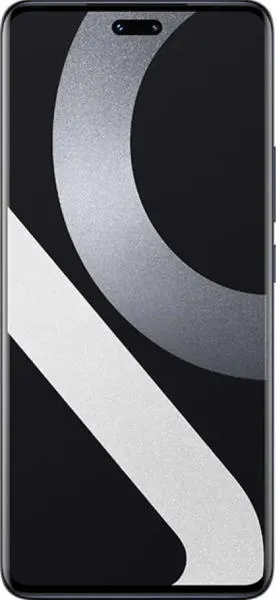
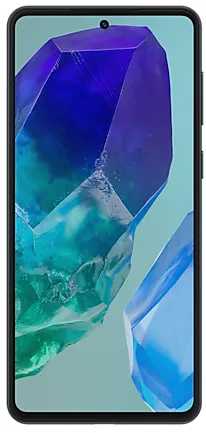
| Feature | Xiaomi 13 Lite | Samsung Galaxy M55 | Practical Impact |
|---|---|---|---|
| Design | |||
| Dimensions (mm) | 159.2 x 72.7 x 7.2 | 163.9 x 76.5 x 7.8 | M55 is slightly larger and thicker. May impact one-handed usability. |
| Weight (g) | 171 | 180 | 13 Lite is noticeably lighter, more comfortable for extended use. |
| Display | |||
| Display Type | AMOLED | Super AMOLED+ | Both offer vibrant colors and deep blacks. Subtle differences in power efficiency and brightness may exist, but require real-world testing to confirm. We lack specific brightness data for the M55 to make a definitive comparison. |
| Display Size (inches) | 6.55 | 6.7 | M55 offers a slightly larger screen for more immersive media consumption. |
| Resolution | 1080 x 2400 | 1080 x 2400 | Identical resolution, sharpness will be similar. Due to the larger screen size of the M55, the 13 Lite has a higher pixel density (402 vs 393 ppi), though the difference is negligible in practical use. |
| Refresh Rate (Hz) | 120 | 120 | Both offer smooth scrolling and animations. |
| HDR | Dolby Vision, HDR10+ | No HDR Data | 13 Lite supports wider HDR formats for better video quality in supported content. Lack of HDR data for the M55 limits our analysis. |
| Performance | |||
| Chipset | Snapdragon 7 Gen 1 | Snapdragon 7 Gen 1 | Identical chipsets, performance should be comparable. |
| CPU | Octa-core (1x2.4 GHz Cortex-A710 & 3x2.36 GHz Cortex-A710 & 4x1.8 GHz Cortex-A510) | Octa-core (1x2.4 GHz Cortex-A710 & 3x2.36 GHz Cortex-A710 & 4x1.8 GHz Cortex-A510) | Identical CPU configurations, performance should be similar. |
| RAM (GB) | 8 | 8 | Equal RAM, multitasking capabilities should be comparable. |
| OS | Android 12 | Android 14 | M55 ships with a newer Android version, offering potential feature and security advantages. 13 Lite may receive updates to a later version, but this is not guaranteed. |
| Camera | |||
| Rear Camera (MP) | 50MP Main, 8MP Wide, 2MP Macro | 50MP Main, 8MP Wide, 2MP Macro | Similar camera configurations on paper. Image quality will depend on sensor quality, processing, and software, which are not fully detailed. |
| Front Camera (MP) | 32MP + 8MP Depth | 50MP | M55 has a higher resolution front camera. Dual front camera setup on the 13 Lite may offer better portrait mode effects. |
| Video Stabilization | No OIS | OIS & EIS | M55 offers optical and electronic image stabilization for smoother video recording. |
| Battery | |||
| Capacity (mAh) | 4500 | 5000 | M55 has a larger battery, likely resulting in longer battery life. |
| Fast Charging | 67W | 45W | 13 Lite supports significantly faster charging. |
2. Key Differences Analysis
Xiaomi 13 Lite Advantages:
- Lighter and more compact: Easier to handle and carry.
- Faster charging: Significantly reduces downtime.
- Wider HDR support: Better video quality on compatible content.
- Dual front camera: Potentially better portrait mode effects.
Samsung Galaxy M55 Advantages:
- Larger battery: Potentially longer battery life.
- Newer Android version: More up-to-date features and security.
- Video Stabilization: Smoother video recording.
- Larger Display: More immersive experience for media.
3. User Profiles & Recommendations
Xiaomi 13 Lite: Users who prioritize portability, fast charging, and high-quality video playback. Suitable for:
- Users who dislike large, heavy phones.
- Content consumers who value HDR.
- Users who need quick top-ups of battery.
Samsung Galaxy M55: Users who value long battery life, a large display, and the latest software. Suitable for:
- Heavy users who need all-day battery life.
- Users who prioritize video recording stability.
- Users who prefer the latest software features.
4. Decision Framework
Key Questions for Buyers:
- How important is battery life versus charging speed?
- Do you prioritize a large screen or a compact design?
- How important is video recording stability?
My Choice:
I would choose the Xiaomi 13 Lite. While the Samsung Galaxy M55 boasts a larger battery and newer Android version, the 13 Lite's significantly faster charging, lighter weight, and more compact design are more compelling to me. I value portability and quick charging highly. The wider HDR support is a bonus for video streaming. The slightly older Android version is less of a concern as long as the 13 Lite receives sufficient software updates. While the M55 offers video stabilization, I personally don't record enough video for this to be a deciding factor. Ultimately, my choice reflects my personal preference for a lighter, faster-charging device. The M55 may be a better choice for users who prioritize battery life and screen size above all else.
