1. Specifications Comparison
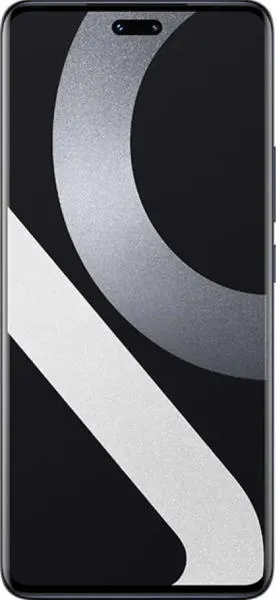
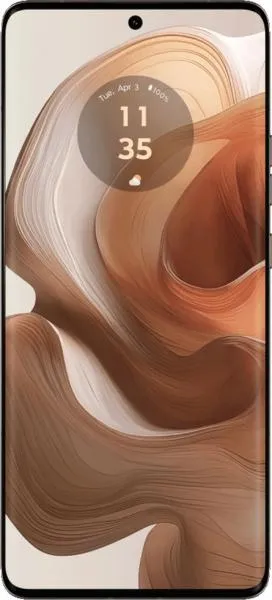
| Feature | Xiaomi 13 Lite | Motorola Edge 50 Ultra | Practical Impact |
|---|---|---|---|
| Design | |||
| Dimensions (mm) | 159.2 x 72.7 x 7.2 | 161.1 x 72.4 x 8.6 | Edge 50 Ultra is slightly larger and noticeably thicker. |
| Weight (g) | 171 | 197 | Xiaomi 13 Lite is significantly lighter, more comfortable for extended use. |
| Display | |||
| Display Type | AMOLED | p-OLED | Both offer excellent contrast and vibrant colors, but p-OLED generally consumes less power. Subjective preference for color accuracy may vary. |
| Display Size (inches) | 6.55 | 6.7 | Edge 50 Ultra offers a slightly larger screen for more immersive media consumption. |
| Resolution | 1080 x 2400 | 1220 x 2712 | Edge 50 Ultra has a sharper display due to higher resolution. |
| Refresh Rate (Hz) | 120 | 144 | Edge 50 Ultra provides smoother animations and scrolling, especially noticeable in gaming. |
| Peak Brightness (nits) | 1000 | 2500 | Edge 50 Ultra is significantly brighter, ensuring better visibility outdoors. |
| Performance | |||
| Chipset | Snapdragon 7 Gen 1 | Snapdragon 8s Gen 3 | Edge 50 Ultra boasts a significantly more powerful processor, leading to faster app loading, smoother multitasking, and better gaming performance. |
| CPU | Octa-core (1x2.4 GHz A710 & 3x2.36 GHz A710 & 4x1.8 GHz A510) | Octa-core (1x3.0 GHz X4 & 4x2.8 GHz A720 & 3x2.0 GHz A520) | Edge 50 Ultra utilizes a newer CPU architecture with higher clock speeds, resulting in superior performance. |
| GPU | Adreno 644 | Adreno 735 | Edge 50 Ultra has a more capable GPU for demanding games and graphics-intensive tasks. |
| RAM (GB) | 8 | 12/16 | Edge 50 Ultra offers more RAM, enabling better multitasking and preventing app closures in the background. |
| Camera | |||
| Main Camera (MP) | 50 (Sony IMX766) | 50 (Omnivision OV50H) | Both have 50MP sensors. Sensor size and aperture differences (f/1.8 vs f/1.6, 1/1.56" vs 1/1.3") suggest the Edge 50 Ultra may perform better in low light. |
| Ultrawide (MP) | 8 | 50 | Edge 50 Ultra has a significantly higher resolution ultrawide camera. |
| Telephoto (MP) | N/A | 64 | Edge 50 Ultra offers optical zoom capability, absent in the Xiaomi 13 Lite. |
| Battery | |||
| Capacity (mAh) | 4500 | 4500 | Both have the same battery capacity. |
| Fast Charging (W) | 67 | 125 | Edge 50 Ultra supports significantly faster charging, minimizing downtime. |
2. Key Differences Analysis
Xiaomi 13 Lite Advantages:
- Lighter and more compact: More comfortable for one-handed use and extended periods.
- Lower price: Offers good value for its features.
Motorola Edge 50 Ultra Advantages:
- Significantly more powerful: Superior performance in all tasks, including gaming.
- Sharper and brighter display: More immersive media consumption and better outdoor visibility.
- More versatile camera system: Higher resolution ultrawide, telephoto lens with optical zoom, and potentially better low-light performance.
- Faster charging: Significantly reduces charging time.
- More future-proof: Newer Android version with longer update commitment.
3. User Profiles & Recommendations
Xiaomi 13 Lite:
- Budget-conscious users: Prioritize affordability without compromising essential features.
- Casual users: Primarily use their phone for social media, browsing, and light gaming.
- Users who value a lightweight and compact phone: Prefer easier one-handed use and portability.
Motorola Edge 50 Ultra:
- Power users: Demand top-tier performance for demanding tasks and gaming.
- Photography enthusiasts: Value a versatile camera system with optical zoom and high-resolution sensors.
- Users who prioritize a premium display: Seek a bright and sharp screen for immersive media consumption.
4. Decision Framework
Key Questions:
- What is your budget? The Xiaomi 13 Lite is significantly more affordable.
- What are your primary phone usage patterns? Casual users might find the 13 Lite sufficient, while power users will appreciate the Edge 50 Ultra's performance.
- Which features are most important to you? Prioritize camera, display, performance, or battery life based on your needs.
My Choice: Motorola Edge 50 Ultra
While the Xiaomi 13 Lite offers good value, the Motorola Edge 50 Ultra is the superior device overall. Its significantly faster performance, more versatile camera system with optical zoom, brighter and sharper display, and faster charging make it a more compelling choice for my needs. The future-proofing offered by the newer Android version and longer update commitment further solidifies its advantage. Although heavier and more expensive, the overall user experience benefits outweigh these drawbacks for me. I prioritize performance, a great camera, and a vibrant display, making the Edge 50 Ultra the better fit.
