1. Specifications Comparison
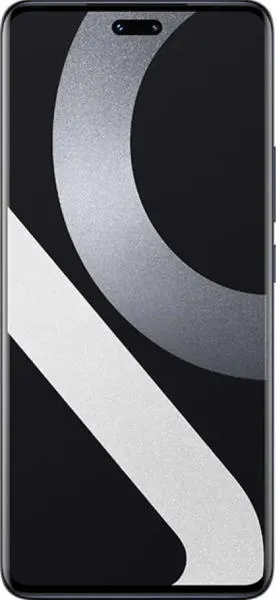
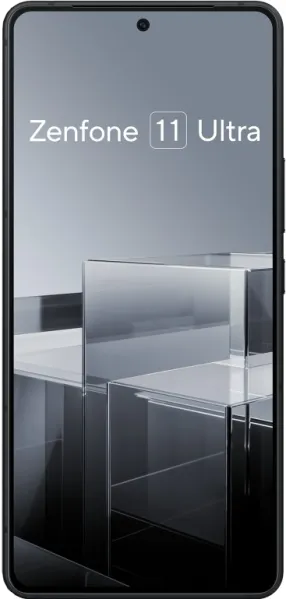
| Feature | Xiaomi 13 Lite | Asus Zenfone 11 Ultra | Practical Impact |
|---|---|---|---|
| Design | |||
| Dimensions (mm) | 159.2 x 72.7 x 7.2 | 163.8 x 76.8 x 8.9 | Zenfone 11 Ultra is noticeably larger and thicker. |
| Weight (g) | 171 | 224 | Xiaomi 13 Lite is significantly lighter and more pocketable. |
| Display | |||
| Size (inches) | 6.55 | 6.78 | Zenfone 11 Ultra offers a larger screen for more immersive content consumption. |
| Resolution | 1080 x 2400 | 1080 x 2400 | Similar sharpness despite size difference due to lower PPI on the Zenfone. |
| Refresh Rate (Hz) | 120 | 144 | Zenfone 11 Ultra provides smoother animations and scrolling. |
| Peak Brightness (nits) | 1000 | 2500 | Zenfone 11 Ultra is significantly brighter, improving outdoor visibility. |
| Display Type | AMOLED | LTPO AMOLED | Both offer vibrant colors and deep blacks, but LTPO allows for dynamic refresh rate adjustment on the Zenfone, potentially saving battery. |
| Performance | |||
| Chipset | Snapdragon 7 Gen 1 | Snapdragon 8 Gen 3 | Zenfone 11 Ultra boasts a significantly more powerful processor, leading to much faster performance in demanding tasks and gaming. |
| CPU | Octa-core (1x2.4 GHz A710 & 3x2.36 GHz A710 & 4x1.8 GHz A510) | Octa-core (1x3.3 GHz X4 & 3x3.2 GHz A720 & 2x3.0 GHz A720 & 2x2.3 GHz A520) | Zenfone 11 Ultra has a more powerful and efficient CPU architecture. |
| GPU | Adreno 644 | Adreno 750 | Zenfone 11 Ultra offers a substantial GPU upgrade, resulting in superior gaming performance. |
| RAM (GB) | 8 | 12/16 | Zenfone 11 Ultra comes with more RAM, allowing for better multitasking and smoother performance with demanding apps. |
| Camera | |||
| Main Camera (MP) | 50 (Sony IMX766) | 50 (Sony IMX890) | Both use high-quality sensors, but image processing and other features will likely differentiate them. |
| Ultrawide (MP) | 8 | 13 | Zenfone 11 Ultra has a higher resolution ultrawide camera. |
| Telephoto (MP) | N/A | 32 | Zenfone 11 Ultra offers optical zoom capabilities, absent in the Xiaomi. |
| Video | 4K@30fps | 8K@24fps | Zenfone 11 Ultra supports higher resolution video recording. |
| Battery | |||
| Capacity (mAh) | 4500 | 5500 | Zenfone 11 Ultra has a larger battery, likely translating to longer battery life. |
| Fast Charging (W) | 67 | 65 | Similar fast charging speeds. Information regarding wireless charging for the Xiaomi 13 Lite is missing. The Asus has 15W Wireless and 10W reverse wired charging. |
2. Key Differences Analysis
Xiaomi 13 Lite Advantages:
- Lighter and More Compact: Significantly easier to handle and carry.
- Lower Price: Offers good value for its features.
Asus Zenfone 11 Ultra Advantages:
- Significantly More Powerful: Superior performance for demanding tasks and gaming.
- Brighter and Smoother Display: Enhanced visual experience, especially outdoors.
- Larger Battery: Potentially longer battery life.
- More Versatile Camera System: Telephoto lens for optical zoom and higher resolution video recording capabilities.
3. User Profiles & Recommendations
Xiaomi 13 Lite:
- Ideal User: Budget-conscious users who prioritize portability and ease of use for everyday tasks like social media, web browsing, and light gaming.
- Use Cases: Casual photography, social media, web browsing, video streaming.
Asus Zenfone 11 Ultra:
- Ideal User: Power users and mobile gamers who demand top-tier performance, a premium display, and a versatile camera system.
- Use Cases: Demanding gaming, professional photography and videography, multitasking, content creation.
4. Decision Framework
Key Questions for Buyers:
- What is your budget? The Zenfone 11 Ultra is significantly more expensive.
- What is your primary use case? Casual use vs. demanding tasks/gaming.
- Do you prioritize portability or a larger screen and battery?
My Choice: Asus Zenfone 11 Ultra
While the Xiaomi 13 Lite offers excellent value, the Asus Zenfone 11 Ultra is the superior device for my needs. The significant performance upgrade with the Snapdragon 8 Gen 3, coupled with the brighter, smoother display, and more versatile camera system, makes it a compelling choice. The larger battery also addresses a key concern for power users. Although heavier and more expensive, the overall user experience offered by the Zenfone 11 Ultra justifies the trade-offs for me. I prioritize performance, a great display, and long battery life, making the Zenfone 11 Ultra the clear winner. The addition of 8K video recording and a dedicated telephoto lens further solidifies its position as a more capable device.
