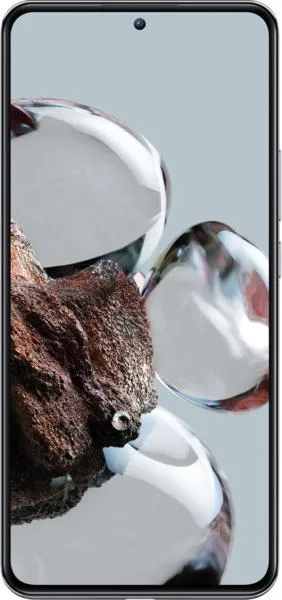

Xiaomi 12T vs. ZTE nubia Z60 Ultra: A Deep Dive for the Discerning Smartphone User
Hello fellow tech enthusiasts! Today, we're pitting the Xiaomi 12T against the ZTE nubia Z60 Ultra, two compelling contenders in the mid-range smartphone arena. Let's dissect their specs, uncover their strengths and weaknesses, and ultimately, determine which device reigns supreme.
1. Specifications Breakdown
| Feature | Xiaomi 12T | ZTE nubia Z60 Ultra | Real-World Implications |
|---|---|---|---|
| Design | |||
| Dimensions (mm) | 163.1 x 75.9 x 8.6 | 164 x 76.4 x 8.8 | Z60 Ultra slightly larger, may feel less comfortable in hand. |
| Weight (g) | 202 | 246 | Z60 Ultra noticeably heavier, potentially impacting one-handed use. |
| Display | |||
| Size (inches) | 6.67 | 6.8 | Z60 Ultra offers a marginally larger screen. |
| Resolution (px) | 1220 x 2712 | 1116 x 2480 | 12T boasts higher pixel density (sharper image), Z60 Ultra wider aspect ratio. |
| Type | AMOLED, 120Hz | AMOLED, 120Hz | Both offer vibrant colors, smooth scrolling, and responsive touch. |
| Peak Brightness | 900 nits (peak) | 1500 nits (peak) | Z60 Ultra significantly brighter, enhancing outdoor visibility. |
| Performance | |||
| Chipset | Dimensity 8100 Ultra | Snapdragon 8 Gen 3 | Z60 Ultra with significantly faster CPU and GPU, expect superior gaming and multitasking |
| CPU | Octa-core (4x2.85 GHz A78 & 4x2.0 GHz A55) | Octa-core (1x3.3 GHz X4 & others) | Z60 Ultra has a more powerful and efficient CPU architecture. |
| RAM (GB) | 8 | 12 | Z60 Ultra offers more RAM, enabling smoother multitasking and app switching. |
| Camera | |||
| Main Sensor (MP) | 108MP (Samsung HM6) | 54MP (Sony IMX800) | 12T higher resolution, Z60 Ultra likely better low-light performance due to sensor size and aperture. |
| Ultrawide (MP) | 8MP | 50MP | Z60 Ultra boasts a significantly higher resolution ultrawide. |
| Telephoto | No dedicated Telephoto | 64MP Telephoto Lens | Z60 Ultra equipped with a dedicated Telephoto Lens that offers optical zoom |
| Battery Life | |||
| Capacity (mAh) | 5000 | 6000 | Z60 Ultra boasts higher battery capacity, promising longer usage. |
| Charging | 120W Wired | Fast charging | While missing specifics on Z60 Ultra, 12T offers incredibly fast wired charging. |
2. Key Insights
The Xiaomi 12T, despite being a year older, holds its own with a stunningly sharp display and blazing-fast 120W charging. Its Dimensity 8100 Ultra chipset delivers respectable performance for everyday tasks and even moderate gaming. However, its camera system, while boasting a high-resolution main sensor, lacks the versatility of a dedicated telephoto lens.
The ZTE nubia Z60 Ultra, on the other hand, is a powerhouse. The Snapdragon 8 Gen 3 chipset screams performance, making it ideal for demanding users and mobile gamers. Its camera system, featuring a Sony IMX800 sensor and a dedicated telephoto lens, promises superior image quality and versatility. The larger battery capacity also ensures extended usage without frequent recharges.
3. User Profiles and Recommendations
Xiaomi 12T: Best suited for users seeking a blend of performance, a beautiful display, and incredibly fast charging at a more affordable price point. Ideal for social media enthusiasts, casual gamers, and those who prioritize charging speed.
ZTE nubia Z60 Ultra: Perfect for power users, mobile gamers, and photography enthusiasts who demand top-tier performance, a versatile camera system, and extended battery life. The brighter display also benefits those who frequently use their phones outdoors.
4. Buying Decision Framework
- What is your budget? The 12T offers excellent value for its price, while the Z60 Ultra commands a premium.
- What are your performance needs? For demanding tasks and gaming, the Z60 Ultra is the clear winner.
- How important is camera versatility? The Z60 Ultra's telephoto lens offers a significant advantage for photography enthusiasts.
My Choice: The ZTE nubia Z60 Ultra
While the Xiaomi 12T is a solid device, I'd choose the ZTE nubia Z60 Ultra. The sheer power of the Snapdragon 8 Gen 3, coupled with the versatile camera system and larger battery, makes it a compelling package. As a tech enthusiast who often pushes devices to their limits, I value the headroom offered by the Z60 Ultra. The significantly brighter display is a huge plus for outdoor usage, a common scenario for me. While the added weight is a minor drawback, the overall performance and feature set of the Z60 Ultra justify the premium. It represents a future-proof investment for those seeking a device that can handle anything thrown its way.
