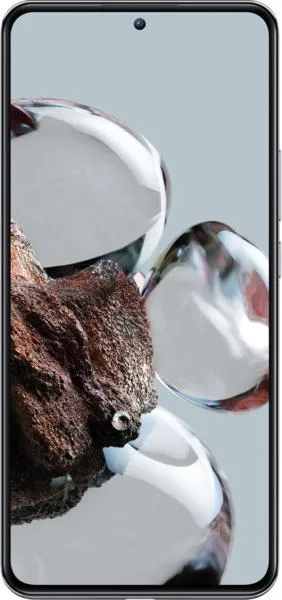
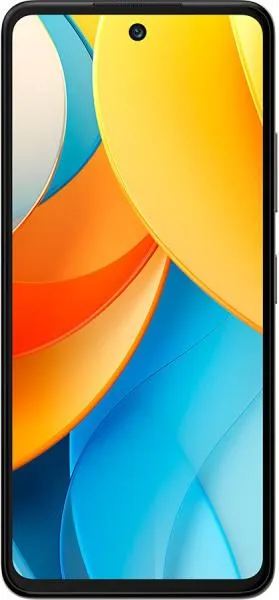
Xiaomi 12T vs. ZTE Blade V60 Design: A Comparative Analysis
Let's dive into a head-to-head comparison of the Xiaomi 12T and the ZTE Blade V60 Design, dissecting their specs and revealing what they mean for you, the user.
1. Specifications Breakdown
| Feature | Xiaomi 12T | ZTE Blade V60 Design | Real-World Implications |
|---|---|---|---|
| Design | |||
| Dimensions (mm) | 163.1 x 75.9 x 8.6 | 164.2 x 75.3 x 8.6 | Xiaomi 12T is negligibly smaller; both feel substantial in hand. |
| Weight (g) | 202 | 198 | Negligible difference in weight. |
| Build Materials | Glass front, plastic frame | Plastic | Xiaomi 12T offers a more premium feel with its glass front. |
| Display | |||
| Type | AMOLED, 120Hz | IPS LCD, 90Hz | Xiaomi 12T: vibrant colors, deeper blacks, smoother scrolling. V60 Design: decent but less impressive. |
| Resolution | 1220 x 2712 | 720 x 1612 | Xiaomi 12T: significantly sharper, more detailed visuals. V60 Design: noticeable pixelation. |
| PPI | 446 | 267 | Reinforces the sharpness difference; Xiaomi 12T is crisper. |
| Performance | |||
| Chipset | Dimensity 8100 Ultra (5nm) | Unisoc T606 (12nm) | Xiaomi 12T: vastly superior processing power, smoother multitasking, better gaming. |
| CPU | Octa-core (4x2.85 GHz A78 & 4x2.0 GHz A55) | Octa-core (2x1.6 GHz A75 & 6x1.6 GHz A55) | Xiaomi 12T: faster, more responsive performance in demanding tasks. |
| GPU | Mali-G610 MC6 | Mali-G57 MP1 | Xiaomi 12T: handles graphics-intensive applications and games much better. |
| RAM | 8GB | 4/6GB | Xiaomi 12T: better multitasking, smoother performance with multiple apps. |
| Camera | |||
| Main Camera | 108MP, f/1.7, OIS | 50MP, f/1.8 | Xiaomi 12T: higher resolution, potentially better detail and low-light performance, Optical Image Stabilization. |
| Video | 4K@30fps with HDR | 1080p@30fps | Xiaomi 12T: higher resolution video recording with HDR. |
| Battery Life | |||
| Capacity | 5000 mAh | 5000 mAh | Similar battery capacity; real-world usage will depend on optimization. |
2. Key Insights
The Xiaomi 12T is a clear winner in terms of performance, display, and camera capabilities. Its powerful Dimensity 8100 Ultra chipset, coupled with the crisp AMOLED display and 108MP camera, deliver a premium user experience. The 120Hz refresh rate ensures buttery-smooth scrolling and animations.
The ZTE Blade V60 Design, on the other hand, is a budget-oriented device that prioritizes affordability. While it offers a large display and long-lasting battery, it compromises on performance and camera quality.
3. User Profiles and Recommendations
Xiaomi 12T: Ideal for users who demand high performance, a stunning display, and a capable camera. Gamers, content creators, and power users will appreciate its speed and versatility.
ZTE Blade V60 Design: Suitable for users who prioritize basic functionality, long battery life, and affordability over top-tier performance. Best for casual users primarily focused on communication, web browsing, and light media consumption.
4. Buying Decision Framework
- What is your budget? The Xiaomi 12T is a mid-range device, while the ZTE Blade V60 Design falls into the budget category.
- What are your performance needs? For demanding tasks and gaming, the Xiaomi 12T is the clear choice.
- How important is display and camera quality? The Xiaomi 12T offers a significantly better visual experience and superior camera capabilities.
My Choice: I would choose the Xiaomi 12T. While it's more expensive, the significant jump in performance, the superior display, and the advanced camera system justify the price difference. As someone who values a smooth, responsive user experience and high-quality visuals, the Xiaomi 12T aligns better with my needs. The ZTE Blade V60 Design, while a respectable budget option, makes too many compromises in key areas that I prioritize.
