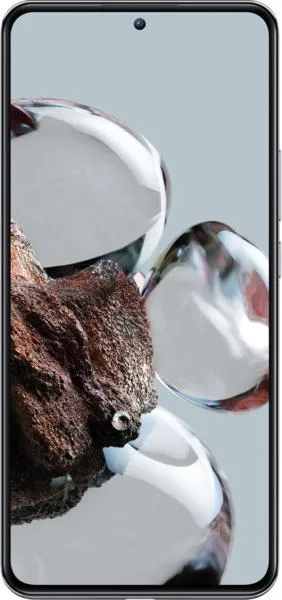
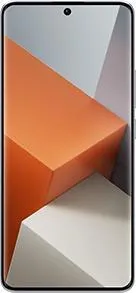
Xiaomi 12T vs. Xiaomi Redmi Note 13 Pro+: A Deep Dive Comparison
Let's dissect the Xiaomi 12T and Redmi Note 13 Pro+, two compelling mid-range contenders, to see which phone reigns supreme. We'll go beyond the spec sheet, translating raw numbers into real-world experiences.
1. Specifications Breakdown
| Feature | Xiaomi 12T | Xiaomi Redmi Note 13 Pro+ | Real-World Implications |
|---|---|---|---|
| Design | |||
| Dimensions (mm) | 163.1 x 75.9 x 8.6 | 161.4 x 74.2 x 8.9 | 12T slightly taller, RN13 Pro+ slightly thicker |
| Weight (g) | 202 | 199 | Negligible difference in hand feel |
| Display | |||
| Size (inches) | 6.67 | 6.67 | Identical screen real estate |
| Resolution (px) | 1220 x 2712 | 1220 x 2712 | Sharp, detailed visuals on both |
| Panel Type | AMOLED | AMOLED C7 | Vibrant colors, deep blacks. C7 potentially brighter, more power efficient |
| Refresh Rate (Hz) | 120 | 120 | Smooth scrolling and animations |
| Peak Brightness (nits) | 500 (typ), 900 (peak) | 1800 (peak) | RN13 Pro+ far superior outdoor visibility |
| HDR | HDR10+, 10bit | HDR10+, Dolby Vision, 10bit | RN13 Pro+ supports Dolby Vision for enhanced dynamic range in supported content |
| Performance | |||
| Chipset | Dimensity 8100-Ultra | Dimensity 7200-Ultra | 8100-Ultra generally more powerful, especially in sustained tasks |
| CPU | Octa-core (4x2.85 GHz A78 & 4x2.0 GHz A55) | Octa-core (2x2.8 GHz A715 & 6x2.0 GHz A510) | 12T likely faster in multi-core performance |
| GPU | Mali-G610 MC6 | Mali-G610 MC4 | 12T has slightly better gaming performance |
| RAM | 8GB | 8GB/12GB/16GB | More RAM options on RN13 Pro+ for better multitasking |
| Camera | |||
| Main Sensor (MP) | 108MP (Samsung HM6) | 200MP (Samsung HP3) | RN13 Pro+ higher resolution, potentially more detail, but real-world performance depends on processing |
| Sensor Size | 1/1.67” | 1/1.4” | Larger sensor on RN13 Pro+ for better low-light performance |
| Battery Life | |||
| Capacity (mAh) | 5000 | 5000 | Similar battery capacity |
2. Key Insights
- Performance: While the Dimensity 7200-Ultra in the Redmi Note 13 Pro+ is newer, the Dimensity 8100-Ultra in the 12T generally benchmarks higher, particularly in sustained performance. Think smoother gaming and faster app loading in the 12T.
- Display: Both boast beautiful AMOLED displays with 120Hz refresh rates. However, the Redmi Note 13 Pro+'s claimed 1800 nits peak brightness blows the 12T out of the water for outdoor visibility. The addition of Dolby Vision on the RN13 Pro+ provides a slight edge in supported content.
- Camera: The megapixel count battle goes to the Redmi Note 13 Pro+, but megapixels aren't everything. The 12T's Samsung HM6 sensor is no slouch. Expect detailed images from both, but we need real-world samples to judge image processing, dynamic range, and low-light performance. The RN13 Pro+ having a physically larger sensor should translate to better low-light performance.
3. User Profiles and Recommendations
- Xiaomi 12T: For users prioritizing raw performance, smoother gaming, and a proven track record, the 12T is a solid choice.
- Xiaomi Redmi Note 13 Pro+: Users who value a brighter display for outdoor use, potentially better low-light camera performance, and the latest software will lean towards the Redmi Note 13 Pro+. The greater RAM options also benefit power users.
4. Buying Decision Framework
- Is peak performance your priority? If so, the 12T's Dimensity 8100-Ultra is the likely winner.
- Do you spend a lot of time outdoors using your phone? The Redmi Note 13 Pro+'s 1800 nits peak brightness is a game-changer in sunlight.
- Is having the newest technology and longer software support important? The Redmi Note 13 Pro+ benefits from a newer release date, providing a longer lifespan of software updates.
My Choice: Xiaomi Redmi Note 13 Pro+
While the 12T offers a compelling performance advantage, I'd opt for the Redmi Note 13 Pro+. The significantly brighter display is crucial for my daily use, as I frequently use my phone outdoors. The newer release date ensures longer software support, and the potential for superior low-light photography with the larger sensor is enticing. While benchmark numbers favor the 12T, the real-world difference in everyday tasks might be less noticeable than the substantial leap in screen brightness and camera hardware. Finally, the price difference, considering the improved features, makes the RN13 Pro+ the more compelling value proposition in my view.
