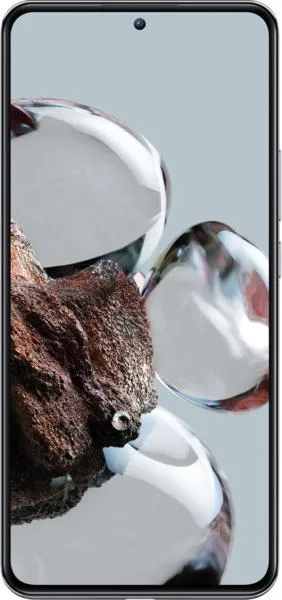
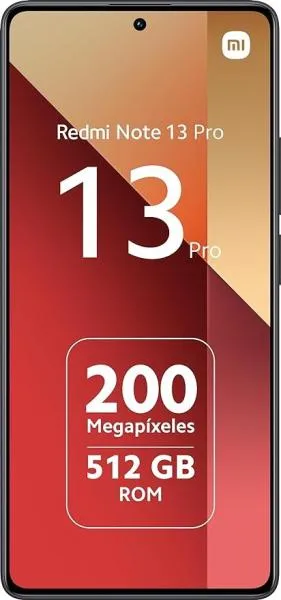
Xiaomi 12T vs. Redmi Note 13 Pro 4G: A Deep Dive
Let's dissect the Xiaomi 12T and Redmi Note 13 Pro 4G, two compelling mid-range contenders, to see which phone reigns supreme. I'll break down the specs, analyze their real-world impact, and guide you to the perfect device for your needs.
1. Specifications Breakdown
| Feature | Xiaomi 12T | Redmi Note 13 Pro 4G | Real-World Implications | |
|---|---|---|---|---|
| Design | ||||
| Dimensions (mm) | 163.1 x 75.9 x 8.6 | 161.1 x 75 x 8 | 12T slightly taller and thicker. Negligible difference in hand feel. | |
| Weight (g) | 202 | 188 | Redmi Note 13 Pro noticeably lighter, reducing hand fatigue during extended use. | |
| Display | ||||
| Size (inches) | 6.67 | 6.67 | Identical screen sizes offer ample viewing space. | |
| Resolution | 1220 x 2712 | 1080 x 2400 | 12T boasts sharper visuals due to higher pixel density (446 ppi vs. 395 ppi). Noticeable in text and images. | |
| Type | AMOLED | AMOLED | Both offer vibrant colors and deep blacks. | |
| Refresh Rate (Hz) | 120 | 120 | Smooth scrolling and fluid animations on both devices. | |
| Peak Brightness(nits) | 900 (peak) | 1300 (peak) | Redmi Note 13 Pro significantly brighter outdoors. | |
| Performance | ||||
| Chipset | Dimensity 8100 Ultra | Helio G99 Ultra | 8100 Ultra significantly more powerful, resulting in smoother multitasking, gaming, and demanding app usage. | |
| CPU | Octa-core (4x2.85 GHz & 4x2.0 GHz) | Octa-core (2x2.2 GHz & 6x2.0 GHz) | 12T offers superior CPU performance due to faster core speeds and architecture. | |
| GPU | Mali-G610 MC6 | Mali-G57 MC2 | 12T provides a much better gaming and graphics-intensive task experience. | |
| RAM (GB) | 8 | 8/12 | Redmi Note 13 Pro offers a 12GB RAM option for even more aggressive multitasking. | |
| Camera | ||||
| Main Camera (MP) | 108 | 200 | Redmi Note 13 Pro has a higher resolution sensor. Real-world image quality depends on processing. | |
| Video Recording | 4K@30fps | 1080p@60fps | 12T can record higher resolution video, Redmi Note 13 Pro limited to 1080P but with higher frame rate options. | |
| Battery Life | ||||
| Capacity (mAh) | 5000 | 5000 | Similar battery capacities suggest comparable longevity, though real-world usage will vary. |
2. Key Insights
- Performance: The Dimensity 8100 Ultra in the 12T significantly outperforms the Helio G99 in the Redmi Note 13 Pro. This translates to a smoother, more responsive experience, especially noticeable in demanding tasks and gaming.
- Display: While both phones use AMOLED panels with 120Hz refresh rates, the 12T's higher resolution display offers sharper visuals. However, the Redmi Note 13 Pro boasts a higher peak brightness, making it more legible in direct sunlight.
- Camera: The Redmi Note 13 Pro boasts a higher megapixel count on its main camera. However, megapixels aren't everything; image processing plays a crucial role. The 12T's Samsung HM6 sensor with OIS might deliver better overall image quality in various scenarios. The 12T also offers 4K video recording, absent in the Redmi Note 13 Pro.
3. User Profiles and Recommendations
- Xiaomi 12T: Ideal for users who prioritize performance, a sharp display, and versatile camera capabilities. Gamers, power users, and content creators will appreciate the 12T's robust hardware.
- Redmi Note 13 Pro 4G: Suitable for users seeking a bright display, long battery life, and a high-resolution main camera for everyday photography. Casual users, social media enthusiasts, and those on a tighter budget might find the Redmi Note 13 Pro a compelling option.
4. Buying Decision Framework
- What's your budget? The Redmi Note 13 Pro 4G generally comes at a lower price point.
- Is performance a top priority? If so, the 12T's Dimensity 8100 Ultra is the clear winner.
- Do you need the best possible camera experience or screen brightness? The Redmi Note 13 Pro 4G has a brighter screen and higher resolution main camera but lacks 4k video recording.
My Choice: The Xiaomi 12T
If I were choosing between these two, I'd opt for the Xiaomi 12T. While the Redmi Note 13 Pro 4G offers a tempting price and a high-resolution main sensor, the 12T's superior performance, sharper display, and 4K video recording capabilities are more aligned with my needs. As someone who values a smooth, responsive user experience and enjoys mobile gaming and content creation, the 12T's powerful Dimensity 8100 Ultra is a decisive factor. The slightly higher price is a worthwhile investment for the long-term performance and versatility the 12T provides.
