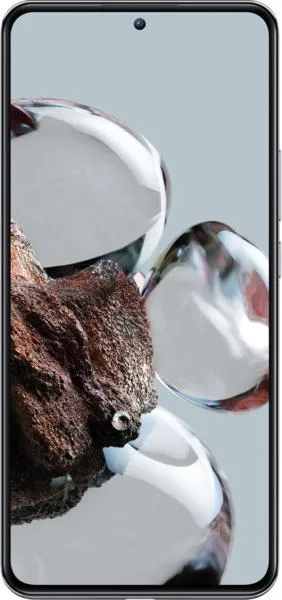
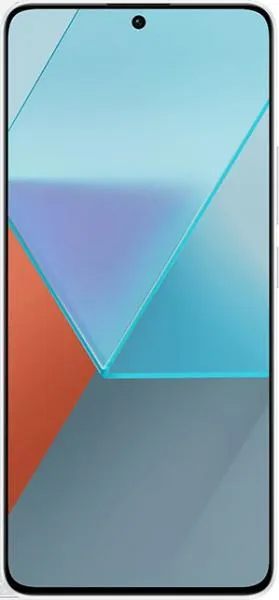
Xiaomi 12T vs. Xiaomi Redmi Note 13 Pro: A Deep Dive
Let's dissect the Xiaomi 12T and Redmi Note 13 Pro, two compelling mid-range contenders, to see which phone reigns supreme. I'll break down their specs, analyze their real-world performance, and guide you toward the perfect fit for your needs.
1. Specifications Breakdown
| Feature | Xiaomi 12T | Xiaomi Redmi Note 13 Pro | Real-World Implications |
|---|---|---|---|
| Design | |||
| Dimensions (mm) | 163.1 x 75.9 x 8.6 | 161.2 x 74.2 x 8.0 | Note 13 Pro slightly smaller, potentially more comfortable in hand |
| Weight (g) | 202 | 187 | Note 13 Pro noticeably lighter for extended use |
| Display | |||
| Size (inches) | 6.67 | 6.67 | Identical screen real estate |
| Resolution | 1220 x 2712 | 1220 x 2712 | Same sharpness and detail |
| Type | AMOLED | AMOLED | Vibrant colors, deep blacks |
| Refresh Rate (Hz) | 120 | 120 | Smooth scrolling and animations |
| Peak Brightness (nits) | 900 (peak) | 1800 (peak) | Note 13 Pro significantly brighter outdoors |
| HDR | HDR10+ | Dolby Vision | Both offer enhanced dynamic range, Dolby Vision potentially richer |
| Performance | |||
| Chipset | Dimensity 8100 Ultra | Snapdragon 7s Gen 2 | 8100 Ultra generally offers better sustained performance |
| CPU | Octa-core (4x2.85 GHz A78 & 4x2.0 GHz A55) | Octa-core (4x2.4 GHz A78 & 4x1.95 GHz A55) | 12T likely faster in demanding tasks |
| GPU | Mali-G610 MC6 | Adreno 710 | Gaming performance edge to the 12T |
| RAM (GB) | 8 | 8/12/16 | Note 13 Pro offers higher RAM configurations for smoother multitasking |
| Camera | |||
| Main Camera (MP) | 108 | 200 | Note 13 Pro boasts higher resolution |
| Main Sensor Size | 1/1.67" | 1/1.4" | Note 13 Pro sensor captures more light, potentially better low-light performance |
| Video | 4K@30fps with HDR | 4K@30fps with EIS | Both shoot 4K; 12T with HDR, Note 13 Pro with Electronic Image Stabilization |
| Battery Life | |||
| Capacity (mAh) | 5000 | 5100 | Negligible difference in real-world usage |
2. Key Insights
Performance: The Xiaomi 12T, with its Dimensity 8100 Ultra, likely edges out the Redmi Note 13 Pro in raw processing power and sustained performance, especially for gaming. The Note 13 Pro offers configurations with significantly more RAM, benefitting heavy multitaskers.
Display: While both phones feature beautiful AMOLED displays with 120Hz refresh rates, the Redmi Note 13 Pro boasts a much brighter screen, reaching a peak brightness of 1800 nits. This makes it far more usable in direct sunlight. The Note 13 Pro also supports Dolby Vision, potentially offering a slight edge in HDR content.
Camera: The Redmi Note 13 Pro flaunts a 200MP main camera with a larger sensor compared to the 12T's 108MP sensor. This suggests improved low-light photography and potentially more detail. However, megapixels aren't everything; real-world image quality depends on processing and software.
Battery: The slight difference in battery capacity (5000mAh vs. 5100mAh) likely won't translate to a noticeable difference in daily use.
3. User Profiles and Recommendations
Xiaomi 12T: Ideal for users prioritizing performance, especially mobile gamers or those who frequently run demanding applications.
Xiaomi Redmi Note 13 Pro: Best suited for users who value a bright, vibrant display for media consumption and casual photography, and desire the latest OS and potentially longer software support. The higher RAM options are a boon for power users.
4. Buying Decision Framework
What is your primary use case? Gaming and demanding tasks? The 12T is likely a better fit. Media consumption and everyday use with excellent screen visibility? The Note 13 Pro shines.
How important is camera quality? While real-world testing is needed, the Note 13 Pro's 200MP sensor and larger sensor size suggest a potential advantage in photography, particularly in low light.
What is your budget? Consider the price difference between these devices and the value you place on specific features. The Note 13 Pro generally offers more competitive pricing, especially considering the higher RAM and storage options.
My Choice: The Redmi Note 13 Pro
While the 12T offers a performance edge, I'd personally choose the Redmi Note 13 Pro. The significantly brighter display for outdoor use, the potential camera advantages with the 200MP sensor, and the newer, more future-proofed Android OS are compelling. Additionally, the lighter weight and more competitive pricing, especially considering the RAM and storage options available, make it a very attractive package overall. I value a great display and strong camera for everyday use, and the Note 13 Pro seems to deliver in those areas without major compromises.
