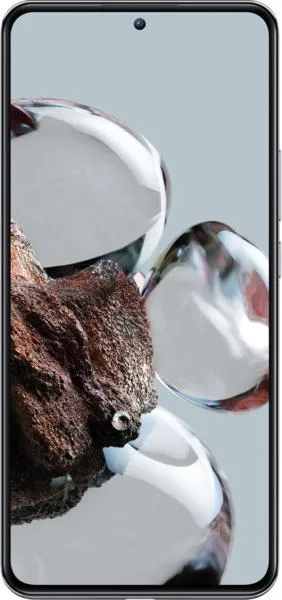
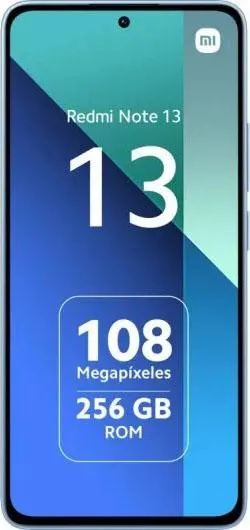
Xiaomi 12T vs. Xiaomi Redmi Note 13 4G: A Deep Dive
Hello fellow tech enthusiasts! Today, we're dissecting two intriguing Xiaomi phones: the 12T and the Redmi Note 13 4G. Let's cut through the marketing fluff and see how these devices stack up in real-world usage.
1. Specifications Breakdown
| Feature | Xiaomi 12T | Xiaomi Redmi Note 13 4G | Real-World Implications |
|---|---|---|---|
| Design | |||
| Dimensions (mm) | 163.1 x 75.9 x 8.6 | 162.3 x 75.6 x 8 | 12T slightly taller and thicker. Negligible difference in hand feel. |
| Weight (g) | 202 | 188.5 | Redmi Note 13 4G noticeably lighter, reducing hand fatigue. |
| Display | |||
| Size (inches) | 6.67 | 6.67 | Identical screen real estate. |
| Resolution | 1220 x 2712 (AMOLED, 120Hz) | 1080 x 2400 (AMOLED, 120Hz) | 12T sharper due to higher pixel density; smoother scrolling on both. |
| Peak Brightness | 900 nits (peak) | 1800 nits (peak) | Redmi Note 13 4G significantly brighter outdoors. |
| Performance | |||
| Chipset | Dimensity 8100 Ultra (5nm) | Snapdragon 685 (6nm) | 12T significantly faster and more power-efficient in demanding tasks. |
| CPU | Octa-core (4x2.85 GHz & 4x2.0 GHz) | Octa-core (4x2.8 GHz & 4x1.9 GHz) | 12T's higher clock speeds provide a performance edge. |
| GPU | Mali-G610 MC6 | Adreno 610 | 12T offers significantly better gaming and graphics performance. |
| RAM | 8GB | 8GB | Comparable multitasking capabilities. |
| Camera | |||
| Main Sensor | 108MP (Samsung HM6) | 108MP (Samsung HM6) | Similar main sensor hardware, but image processing could differ. |
| Video | 4K@30fps with HDR | 1080p@30fps | 12T capable of higher resolution video recording with HDR. |
| Battery Life | |||
| Capacity | 5000 mAh | 5000 mAh | Similar battery capacity, but real-world usage will vary due to chips. |
2. Key Insights
The Xiaomi 12T shines with its superior performance, thanks to the Dimensity 8100 Ultra. It's a powerhouse for gaming, content creation, and demanding multitasking. The sharper display is a bonus for media consumption. However, it is slightly heavier.
The Redmi Note 13 4G, while less powerful, offers a remarkably brighter display, crucial for outdoor visibility. It's also lighter and more affordable. This makes it a compelling option for users prioritizing battery life, sunlight readability, and value.
3. User Profiles and Recommendations
Xiaomi 12T: Power users, gamers, content creators, anyone who values speed and a sharp display.
Redmi Note 13 4G: Budget-conscious users, social media enthusiasts, casual gamers, those who prioritize a bright display and comfortable handling.
4. Buying Decision Framework
- What's your budget? The Redmi Note 13 4G offers excellent value for its price.
- What are your primary use cases? Gaming and heavy multitasking favor the 12T; casual use and media consumption lean towards the Redmi Note 13 4G.
- Do you prioritize performance or battery life/brightness? The 12T excels in performance, while the Redmi Note 13 4G offers a brighter display and potentially longer battery life due to its less demanding processor.
My Choice: The Xiaomi 12T
If I were choosing, I'd go for the Xiaomi 12T. While the Redmi Note 13 4G's bright display is tempting, I prioritize the significant performance advantage offered by the 12T. The Dimensity 8100 Ultra's superior efficiency and speed, coupled with the sharper display, align better with my usage patterns, which often involve demanding tasks and media consumption. I'm willing to carry the slightly extra weight for the long-term performance benefits. The ability to capture 4K HDR video is another compelling factor for me. Ultimately, the 12T offers a more future-proof experience, ensuring smooth performance for years to come.
