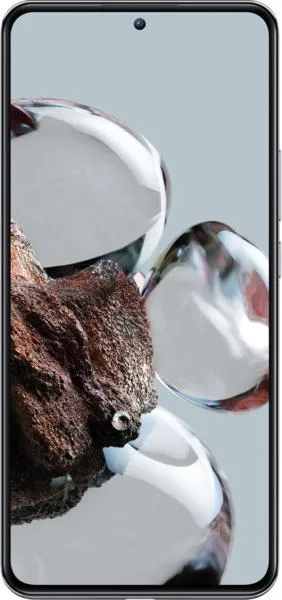
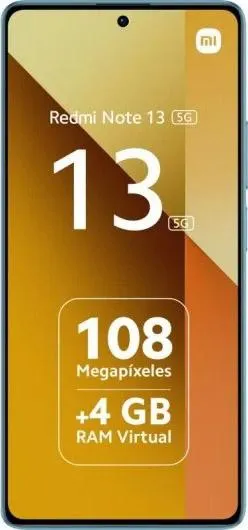
Xiaomi 12T vs. Xiaomi Redmi Note 13: A Deep Dive
Hello fellow tech enthusiasts! Today, we're dissecting two intriguing Xiaomi offerings: the Xiaomi 12T and the Redmi Note 13. Let's delve beyond the spec sheets and uncover what these phones offer in the real world.
1. Specifications Breakdown
| Feature | Xiaomi 12T | Xiaomi Redmi Note 13 | Real-World Implications |
|---|---|---|---|
| Design | |||
| Dimensions (mm) | 163.1 x 75.9 x 8.6 | 161.1 x 75 x 7.6 | Note 13 is slightly smaller and thinner. |
| Weight (g) | 202 | 174.5 | Note 13 noticeably lighter, reducing hand fatigue. |
| Display | |||
| Size (inches) | 6.67 | 6.67 | Identical screen real estate. |
| Resolution | 1220 x 2712 | 1080 x 2400 | 12T boasts sharper visuals due to higher pixel density. |
| Refresh Rate (Hz) | 120 | 120 | Both offer smooth scrolling and gaming experiences. |
| Display Type | AMOLED, HDR10+ | AMOLED | 12T's HDR10+ delivers superior dynamic range and vibrant colors. |
| Performance | |||
| Chipset | Dimensity 8100 Ultra | Dimensity 6080 | 12T significantly more powerful for demanding tasks and gaming. |
| CPU | Octa-core (4x2.85 GHz A78 & 4x2.0 GHz A55) | Octa-core (2x2.4 GHz A76 & 6x2.0 GHz A55) | 12T's higher clock speeds and core configuration provide a performance edge. |
| RAM (GB) | 8 | 8/12 | Note 13 offers a 12GB RAM option for enhanced multitasking. |
| Camera | |||
| Main Camera (MP) | 108 | 108 | Comparable main camera resolution. |
| Video Recording | 4K@30fps, HDR | 1080p@30fps | 12T's superior video capabilities with 4K and HDR. |
| Battery Life | |||
| Capacity (mAh) | 5000 | 5000 | Identical battery capacities, expected similar longevity depending on usage. |
2. Key Insights
- Performance Powerhouse: The Xiaomi 12T's Dimensity 8100 Ultra chipset clearly outperforms the Redmi Note 13's Dimensity 6080. This translates to smoother gaming, faster app loading, and a more responsive overall experience. The 12T is built for demanding users.
- Display Delight: While both phones feature AMOLED displays with 120Hz refresh rates, the 12T takes the lead with its higher resolution and HDR10+ support. This difference is noticeable when consuming media, resulting in a more immersive experience.
- Content Creation Champion: The 12T shines in video recording, offering 4K resolution with HDR. The Redmi Note 13 is limited to 1080p, making the 12T a better choice for aspiring videographers.
- Price-Performance Puzzle: The Redmi Note 13 aims for affordability. While offering decent features for its price, it compromises on processing power and camera capabilities.
3. User Profiles and Recommendations
- Xiaomi 12T: Ideal for power users, gamers, and content creators who prioritize performance, a stunning display, and advanced camera features. If you're willing to invest a bit more, the 12T delivers a premium experience.
- Xiaomi Redmi Note 13: Suited for budget-conscious users who prioritize battery life, a smooth display, and reliable everyday performance. It's a good choice for social media, web browsing, and casual photography.
4. Buying Decision Framework
- What's your budget? The Redmi Note 13 is significantly more affordable.
- What are your primary phone usage patterns? Heavy gaming or content creation? The 12T is a better choice. Casual usage? The Note 13 will suffice.
- How important is camera quality? The 12T's superior camera system and video recording capabilities are worth considering.
My Choice: As Alex Griffin, I would choose the Xiaomi 12T. While the Redmi Note 13 offers excellent value, my workflow demands the robust performance, stunning display, and advanced camera features of the 12T. The smoother user experience, particularly in demanding tasks and media consumption, justifies the price difference for me. Having a phone that keeps pace with my needs significantly enhances my productivity and creativity. The 12T is a future-proof investment that can handle the ever-increasing demands of modern mobile applications and content.
