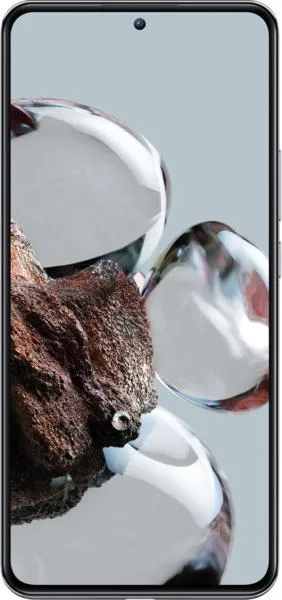
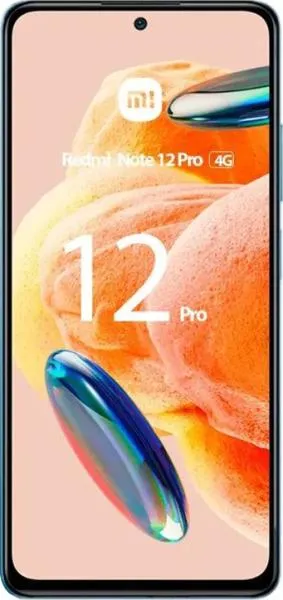
Xiaomi 12T vs. Xiaomi Redmi Note 12 Pro 4G: A Comparative Analysis
Hello fellow tech enthusiasts! Today, we're diving deep into a comparison between two compelling Xiaomi smartphones: the Xiaomi 12T and the Redmi Note 12 Pro 4G. Both offer enticing features in the mid-range segment, but let's dissect their specifications and uncover which device reigns supreme for various user needs.
1. Specifications Breakdown
| Feature | Xiaomi 12T | Xiaomi Redmi Note 12 Pro 4G | Real-World Implications |
|---|---|---|---|
| Design | |||
| Dimensions (mm) | 163.1 x 75.9 x 8.6 | 164.2 x 76.1 x 8.1 | 12T slightly more compact |
| Weight (g) | 202 | 201.8 | Negligible difference in hand feel |
| Display | |||
| Size | 6.67" AMOLED | 6.67" AMOLED | Same screen size |
| Resolution | 1220 x 2712 | 1080 x 2400 | 12T sharper due to higher pixel density (resulting in clearer text and images) |
| Refresh Rate | 120Hz | 120Hz | Both offer smooth scrolling and animations |
| HDR | HDR10+, 500/900 nits | Dolby Vision, 700/1100 nits | Note 12 Pro brighter, potentially better for outdoor visibility, with superior HDR standard |
| Performance | |||
| Chipset | Dimensity 8100 Ultra (5nm) | Snapdragon 732G (8nm) | 12T significantly more powerful, better for demanding tasks and gaming |
| CPU | Octa-core (4x2.85 GHz A78 & 4x2.0 GHz A55) | Octa-core (2x2.2 GHz & 6x1.8 GHz) | 12T faster, offering smoother multitasking and quicker app launches |
| GPU | Mali-G610 MC6 | Adreno 618 | 12T boasts superior graphics performance for gaming |
| RAM | 8GB | 8GB | Same RAM capacity |
| Camera | |||
| Main Camera | 108MP, f/1.7, Samsung HM6 | 108MP, f/1.9, Samsung HM2 | Both high resolution, but sensor differences likely impact low-light performance and detail |
| Ultrawide | 8MP, f/2.2 | 8MP, f/2.2 | Similar ultrawide capabilities |
| Macro | 2MP, f/2.4 | 2MP, f/2.4 (dedicated Macro) | Redmi might offer slightly better macro shots due to dedicated lens |
| Selfie | 20MP, f/2.24 | 16MP, f/2.45 | 12T higher resolution selfie camera |
| Battery Life | |||
| Capacity | 5000 mAh | 5000 mAh | Same battery capacity, real-world usage will depend on optimization |
2. Key Insights
The Xiaomi 12T shines with its raw power thanks to the Dimensity 8100 Ultra chipset. This translates to a noticeably smoother user experience, especially when gaming or multitasking. Its sharper display also provides a visual advantage. However, the Redmi Note 12 Pro 4G counters with a potentially brighter display with Dolby Vision, which can be a game-changer for media consumption in bright environments.
The Redmi Note 12 Pro 4G, while less powerful, still offers a solid mid-range experience at a generally lower price point. Its Snapdragon 732G is capable of handling everyday tasks without significant hiccups. The inclusion of Dolby Vision and a potentially brighter display makes it a strong contender for multimedia enthusiasts.
3. User Profiles and Recommendations
Xiaomi 12T: Ideal for power users, gamers, and those who prioritize a smooth and responsive experience above all else. The superior processing power and sharper display make it a true workhorse.
Redmi Note 12 Pro 4G: Well-suited for budget-conscious users, media consumers, and those who prioritize display quality and vibrant colors. The Dolby Vision support and bright screen enhance movie watching and casual gaming.
4. Buying Decision Framework
- What is your budget? The Redmi Note 12 Pro 4G generally offers a more affordable entry point.
- What are your primary smartphone usage patterns? Gamers and power users will lean towards the 12T, while media consumers might prefer the Note 12 Pro 4G.
- How important is display brightness and HDR quality? The Note 12 Pro 4G's Dolby Vision and peak brightness could be deciding factors for outdoor use and media consumption.
My Choice: Xiaomi 12T
If it were my money, I'd opt for the Xiaomi 12T. While the Redmi Note 12 Pro 4G offers a compelling display, I personally value the smooth and responsive experience provided by the 12T's powerful Dimensity chip. The sharper display is also a significant factor for me. As a tech enthusiast, future-proofing my device with a more capable processor is a priority, ensuring it handles demanding apps and games for years to come. The marginal price difference, in my view, is justified by the substantial performance gains.
