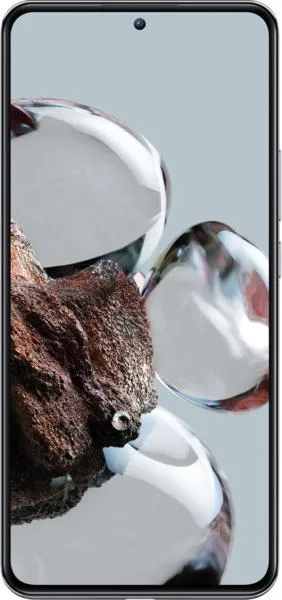
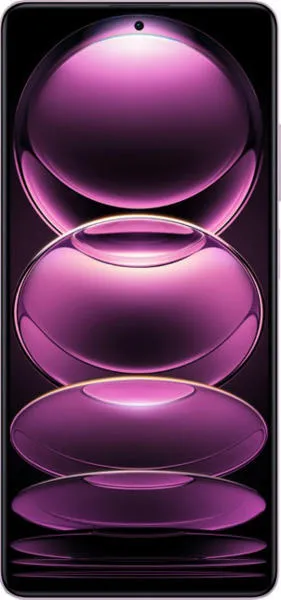
Xiaomi 12T vs. Xiaomi Redmi Note 12 Pro: A Deep Dive
Hello tech enthusiasts! Alex Griffin here, ready to dissect the Xiaomi 12T and Redmi Note 12 Pro. We'll go beyond the spec sheet to uncover what these phones really offer in day-to-day use. Let's get started!
1. Specifications Breakdown
| Feature | Xiaomi 12T | Xiaomi Redmi Note 12 Pro | Real-World Implications |
|---|---|---|---|
| Design | |||
| Dimensions (mm) | 163.1 x 75.9 x 8.6 | 163 x 76 x 8 | 12T slightly taller and narrower; both slim and pocketable. Negligible difference in daily use. |
| Weight (g) | 202 | 187 | Redmi Note 12 Pro noticeably lighter, reducing hand fatigue during extended use. |
| Display | |||
| Size (inches) | 6.67 | 6.67 | Identical screen real estate. |
| Resolution | 1220 x 2712 | 1080 x 2400 | 12T boasts sharper visuals due to higher pixel density (446 ppi vs. 395 ppi), noticeable in text clarity and image detail. |
| Refresh Rate (Hz) | 120 | 120 | Both offer smooth scrolling and responsive gaming experiences. |
| Panel Type | AMOLED | AMOLED | Vibrant colors, deep blacks, and excellent contrast expected from both. Redmi Note 12 Pro boasts Dolby Vision for enhanced HDR content |
| Performance | |||
| Chipset | Dimensity 8100 Ultra | Dimensity 1080 | 8100 Ultra generally offers superior performance in demanding tasks and gaming due to its more powerful CPU and GPU architecture. |
| CPU | Octa-core (4x2.85 GHz Cortex-A78 & 4x2.0 GHz Cortex-A55) | Octa-core (2x2.6 GHz Cortex-A78 & 6x2.0 GHz Cortex-A55) | 12T's faster prime cores provide a snappier experience for demanding apps, multitasking. |
| GPU | Mali-G610 MC6 | Mali-G68 MC4 | 12T's GPU delivers a smoother gaming experience, particularly at higher settings. |
| RAM (GB) | 8 | 6/8/12 | More RAM (especially 12GB on Redmi Note 12 Pro) allows for seamless multitasking and keeping more apps open in the background. |
| Camera | |||
| Main Sensor (MP) | 108 MP (Samsung HM6) | 50 MP (Sony IMX766) | While megapixels aren't everything, the 12T's sensor generally captures more detail. Redmi Note 12 Pro benefits from Sony's well-regarded IMX766 sensor known for its light-gathering capabilities. |
| Battery Life | |||
| Capacity (mAh) | 5000 | 5000 | Similar battery capacities suggest comparable endurance, but real-world usage will vary based on individual usage patterns. |
2. Key Insights
- Performance: The Xiaomi 12T clearly takes the lead with its Dimensity 8100 Ultra chipset. This translates to a noticeable difference in speed and responsiveness, especially for gaming and demanding applications. The Redmi Note 12 Pro, while capable, will likely show some slowdown under heavy load.
- Display: While both phones offer vibrant AMOLED displays with 120Hz refresh rates, the 12T's higher resolution makes a difference in sharpness. The Redmi Note 12 Pro, however, counters with Dolby Vision support, providing a potential advantage for HDR video playback.
- Camera: This is a closer call. The 12T boasts a higher megapixel count, but the Redmi Note 12 Pro utilizes a well-regarded Sony IMX766 sensor known for excellent image quality. Real-world testing would be needed to determine a definitive winner.
- Value: The Redmi Note 12 Pro generally comes at a lower price point, making it a compelling option for budget-conscious buyers. The 12T justifies its higher price with significantly better performance.
3. User Profiles and Recommendations
- Xiaomi 12T: Ideal for power users, gamers, and those who prioritize a smooth, fast experience. The sharper display is a bonus for media consumption.
- Xiaomi Redmi Note 12 Pro: Best suited for users seeking a balance of features and affordability. Strong for everyday tasks, social media, and casual gaming. Dolby Vision support is attractive for movie lovers.
4. Buying Decision Framework
- What is your budget? The Redmi Note 12 Pro offers excellent value for its price.
- Is peak performance a priority? If so, the 12T's Dimensity 8100 Ultra is the clear winner.
- Do you consume a lot of HDR content? The Redmi Note 12 Pro's Dolby Vision might give it an edge.
My Choice: The Xiaomi 12T
While the Redmi Note 12 Pro is a tempting value proposition, I'd choose the Xiaomi 12T. As a tech enthusiast, I prioritize performance and a fluid user experience. The Dimensity 8100 Ultra's superior processing power, coupled with the sharper display, creates a noticeably better overall experience. I'm willing to pay the premium for that extra "oomph" in daily use and especially for future-proofing the device. The Redmi Note 12 Pro's Dolby Vision is interesting, but for me, the overall performance advantage of the 12T outweighs this single feature.
