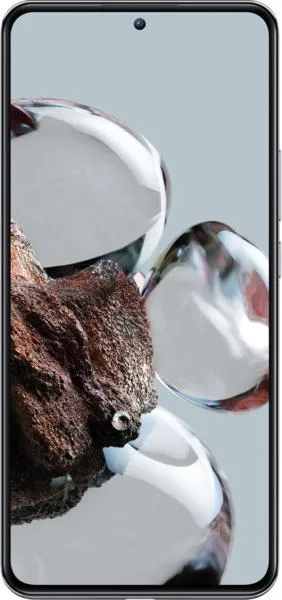

Xiaomi 12T vs. Xiaomi Redmi Note 12 4G: A Detailed Comparison
Hello fellow tech enthusiasts! Alex Griffin here, ready to dissect the Xiaomi 12T and the Redmi Note 12 4G. We'll delve into the specs, translate them into real-world performance, and help you decide which phone fits your needs. Let's get started!
1. Specifications Breakdown
| Feature | Xiaomi 12T | Xiaomi Redmi Note 12 4G | Real-World Implications |
|---|---|---|---|
| Design | |||
| Dimensions (mm) | 163.1 x 75.9 x 8.6 | 165.7 x 76 x 7.9 | 12T is slightly smaller, potentially more pocketable. |
| Weight (g) | 202 | 183.5 | Redmi Note 12 4G is noticeably lighter, reducing hand fatigue during extended use. |
| Display | |||
| Type | AMOLED, 120Hz | AMOLED, 120Hz | Both offer smooth scrolling and responsive gaming thanks to the high refresh rate. |
| Resolution | 1220 x 2712 | 1080 x 2400 | 12T boasts sharper visuals due to higher resolution. |
| Peak Brightness | 900 nits (peak) | 1200 nits (peak) | Redmi Note 12 4G might be slightly more visible in direct sunlight. |
| Performance | |||
| Chipset | Dimensity 8100 Ultra (5nm) | Snapdragon 685 (6nm) | 12T significantly outperforms in processing power and graphics, enabling smoother multitasking and gaming. |
| CPU | Octa-core (4x2.85 GHz A78 & 4x2.0 GHz A55) | Octa-core (4x2.8 GHz A73 & 4x1.9 GHz A53) | 12T's more powerful CPU cores translate to faster app loading and smoother performance. |
| GPU | Mali-G610 MC6 | Adreno 610 | 12T offers a substantial advantage in graphics performance, ideal for demanding games. |
| RAM | 8GB | 4GB/6GB/8GB | More RAM in the 12T allows for seamless multitasking and app switching. |
| Camera | |||
| Main Camera | 108MP, Samsung HM6 | 48MP, Samsung S5KJN1 | 12T offers higher resolution and potentially better low-light performance. |
| Video Recording | 4K@30fps with HDR | 1080p@30fps | 12T supports higher resolution video recording with HDR. |
| Battery Life | |||
| Capacity | 5000mAh | 5000mAh | Similar battery capacities suggest comparable battery life, though real-world usage can vary. |
2. Key Insights
The Xiaomi 12T is the clear performance champion. Its Dimensity 8100 Ultra chipset, coupled with 8GB of RAM, delivers a significantly smoother and more responsive experience compared to the Redmi Note 12 4G. The 12T also boasts a sharper display and more capable camera system. Gamers and power users will appreciate the 12T's superior hardware.
The Redmi Note 12 4G, however, shines in its value proposition. While less powerful, it still offers a smooth 120Hz AMOLED display and a respectable battery life at a more affordable price point. Its lighter weight might also appeal to some users.
3. User Profiles and Recommendations
Xiaomi 12T: Ideal for users who prioritize performance, enjoy mobile gaming, demand a high-quality camera, and value a smooth, responsive user experience.
Redmi Note 12 4G: Best suited for budget-conscious users who primarily use their phones for social media, web browsing, light gaming, and casual photography. A great option for those seeking an affordable phone with a good display.
4. Buying Decision Framework
- What is your budget? The Redmi Note 12 4G is significantly cheaper.
- How important is performance? For demanding tasks and gaming, the 12T is crucial.
- What are your primary phone usage patterns? Light users will be satisfied with the Redmi Note 12 4G, while power users will need the 12T.
My Choice: The Xiaomi 12T
If I were choosing between these two, I'd go with the Xiaomi 12T. As a tech journalist who frequently multitasks, tests apps, and captures high-quality photos and videos, the performance headroom and superior camera system are essential. The slightly higher price is justified by the significant jump in overall user experience. While the Redmi Note 12 4G is a solid budget option, the 12T's powerful hardware and feature set better align with my needs and provide a future-proof investment. That extra horsepower ensures a consistently smooth experience, even as apps become more demanding over time. Plus, I value the ability to capture crisp, detailed photos and videos.
