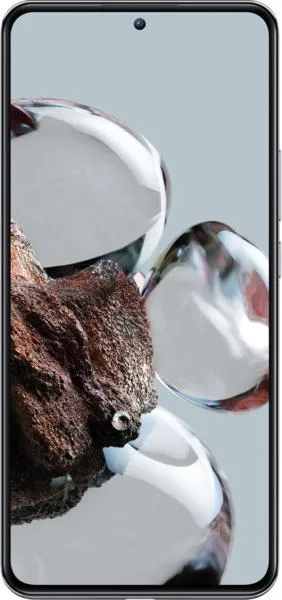
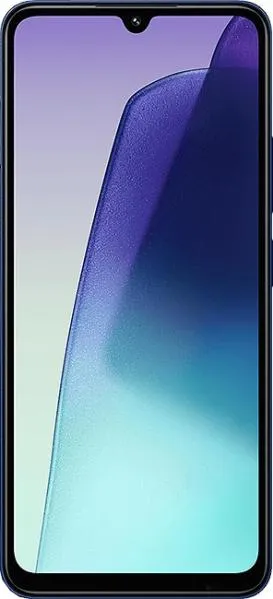
Xiaomi 12T vs. Xiaomi Redmi 14C: A Deep Dive
Let's dissect the Xiaomi 12T and Redmi 14C, two phones vying for your attention in the mid-range market. I'll break down their specs, analyze their real-world performance, and help you decide which one fits your needs.
1. Specifications Breakdown
| Feature | Xiaomi 12T | Xiaomi Redmi 14C | Real-World Implications |
|---|---|---|---|
| Design | |||
| Dimensions (mm) | 163.1 x 75.9 x 8.6 | 171.9 x 77.8 x 8.2 | 12T is slightly more compact, potentially easier to handle |
| Weight (g) | 202 | 211 | Negligible difference in weight |
| Build Materials | Glass front/back, aluminum frame | Plastic | 12T feels more premium, potentially more durable |
| Display | |||
| Size | 6.67" | 6.88" | 14C offers a larger screen for media consumption |
| Type | AMOLED | IPS LCD | 12T boasts vibrant colors, deeper blacks, better contrast |
| Resolution | 1220x2712 | 720x1640 | 12T significantly sharper, crisper visuals |
| Refresh Rate | 120Hz | 120Hz | Both offer smooth scrolling and animations |
| Performance | |||
| Chipset | Dimensity 8100 Ultra | Helio G81 Ultra | 12T significantly faster, smoother multitasking |
| CPU | Octa-core (4x2.85 GHz A78 & 4x2.0 GHz A55) | Octa-core (2x2.0 GHz A75 & 6x1.8 GHz A55) | 12T provides superior processing power |
| GPU | Mali-G610 MC6 | Mali-G52 MC2 | 12T offers better gaming and graphics performance |
| RAM | 8GB | 4/6/8GB | 12T's base 8GB ensures smoother performance |
| Camera | |||
| Main Sensor | 108MP Samsung HM6 | 50MP CMOS | 12T likely captures more detail, better low-light photos |
| Ultrawide | 8MP | N/A | 12T offers wider field of view for landscapes |
| Macro | 2MP | 0.8MP | Negligible difference, both for close-up shots |
| Selfie | 20MP | 13MP | 12T likely produces higher-resolution selfies |
| Battery Life | |||
| Capacity | 5000mAh | 5160mAh | 14C has slightly larger battery but real-world usage may vary based on optimization |
| Charging | 120W Fast Charging | 10W | 12T charges dramatically faster |
2. Key Insights
The Xiaomi 12T is a clear winner in performance, display, and camera quality. Its Dimensity 8100 Ultra chipset, high-resolution AMOLED display, and 108MP main camera offer a premium experience. The 120W fast charging is a game-changer, minimizing downtime.
The Redmi 14C, while offering a larger display and slightly bigger battery, compromises significantly on performance and camera quality. Its Helio G81 Ultra chipset and lower-resolution IPS LCD place it firmly in the budget category. However, it does offer the advantage of a more recent Android version out of the box.
3. User Profiles and Recommendations
Xiaomi 12T: Ideal for users who prioritize performance, a vibrant display, excellent camera quality, and fast charging. Gamers, photographers, and multitaskers will appreciate its capabilities.
Redmi 14C: Suitable for budget-conscious users who primarily use their phones for basic tasks like browsing, social media, and calling. The larger screen makes it decent for media consumption, but its performance limitations are noticeable.
4. Buying Decision Framework
- What is your budget? The 12T is more expensive, reflecting its superior features.
- What are your primary phone usage patterns? For demanding tasks, the 12T excels. For basic use, the 14C suffices.
- Which features matter most to you? Prioritize performance, display, and camera? Choose the 12T. Need a large screen and long battery life on a tight budget? Consider the 14C.
My Choice: I would choose the Xiaomi 12T. As a tech journalist who often uses demanding apps, edits photos/videos, and values a smooth, responsive experience, the 12T's superior performance, stunning AMOLED display, and excellent camera system are crucial. The significantly faster charging speed is the icing on the cake. While the Redmi 14C's larger battery is tempting, the performance trade-offs are too significant for my needs. The 12T offers a much more compelling overall package for a power user.
