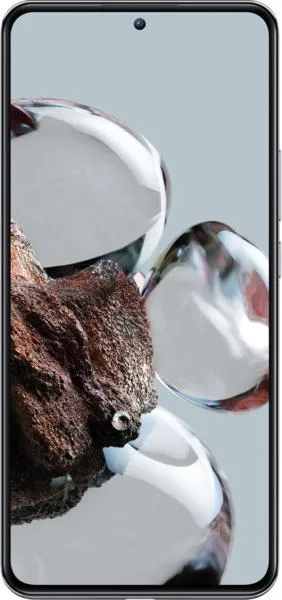
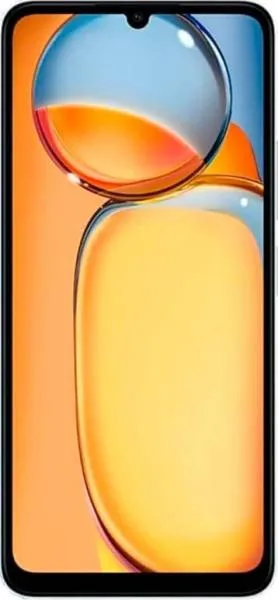
Xiaomi 12T vs. Xiaomi Redmi 13C: A Deep Dive
Let's dissect the Xiaomi 12T and Redmi 13C, two phones targeting different segments of the market. I'll break down their specs, analyze their real-world performance, and help you decide which one fits your needs.
1. Specifications Breakdown
| Feature | Xiaomi 12T | Xiaomi Redmi 13C | Real-World Implications |
|---|---|---|---|
| Design | |||
| Dimensions (mm) | 163.1 x 75.9 x 8.6 | 168 x 78 x 8.1 | 12T is slightly more compact. |
| Weight (g) | 202 | 192 | Negligible difference in hand feel. |
| Display | |||
| Type | AMOLED, 120Hz, HDR10+ | IPS LCD, 90Hz | 12T offers richer colors, deeper blacks, and smoother scrolling. |
| Resolution | 1220 x 2712 (446 ppi) | 720 x 1600 (260 ppi) | 12T boasts significantly sharper visuals. 13C's display is noticeably less crisp. |
| Performance | |||
| Chipset | Mediatek Dimensity 8100 Ultra (5 nm) | Mediatek Helio G85 (12 nm) | 12T delivers significantly faster processing and smoother multitasking. |
| CPU | Octa-core (4x2.85 GHz A78 & 4x2.0 GHz A55) | Octa-core (2x2.0 GHz A75 & 6x1.8 GHz A55) | 12T's CPU architecture provides a substantial performance advantage in demanding tasks. |
| GPU | Mali-G610 MC6 | Mali-G52 MC2 | 12T offers a much more powerful GPU, crucial for gaming and graphics-intensive apps. |
| RAM | 8GB | 4GB/6GB/8GB | More RAM on the 12T enables better multitasking and app responsiveness. |
| Camera | |||
| Main Camera | 108MP, f/1.7, OIS | 50MP, f/1.8 | 12T's higher resolution and optical image stabilization (OIS) suggest better photo quality. |
| Battery | |||
| Capacity | 5000 mAh | 5000 mAh | Similar battery capacities, but real-world battery life will depend on usage and efficiency. |
| Other | |||
| Price Range | Medium | Low | The 12T is more expensive but offers significantly better specs. |
| NFC | Yes | Yes | Both support contactless payments. |
2. Key Insights
The Xiaomi 12T is a clear performance champion. Its Dimensity 8100 Ultra chipset, coupled with ample RAM, delivers a smooth and responsive user experience, even with demanding tasks and gaming. The AMOLED display with a 120Hz refresh rate further enhances the visual experience. The 108MP camera with OIS promises detailed and stable photos.
The Redmi 13C, on the other hand, is a budget-friendly option that prioritizes affordability. While its Helio G85 chipset is capable for everyday tasks, it won't match the 12T's performance in demanding scenarios. The lower resolution IPS LCD screen is noticeable, especially when compared to the 12T's vibrant AMOLED. The 50MP camera, lacking OIS, might struggle in low-light conditions.
3. User Profiles and Recommendations
Xiaomi 12T: Ideal for users who prioritize performance, a premium display, and a capable camera. Gamers, content creators, and power users will appreciate its capabilities.
Redmi 13C: Suitable for budget-conscious users who primarily use their phones for basic tasks like calling, texting, social media browsing, and light photography.
4. Buying Decision Framework
- What's your budget? If price is a major constraint, the Redmi 13C offers decent value. However, if you can stretch your budget, the 12T is a worthwhile investment for long-term satisfaction.
- What are your primary phone usage patterns? For demanding tasks and gaming, the 12T is essential. For basic usage, the Redmi 13C suffices.
- How important is display quality? The 12T's AMOLED screen provides a significantly better visual experience compared to the Redmi 13C's LCD.
My Choice: If I were choosing between these two, I'd go for the Xiaomi 12T. The superior performance, stunning AMOLED display, and more capable camera system justify the higher price. As a tech enthusiast, I value a smooth and responsive user experience, and the 12T delivers that in spades. While the Redmi 13C is a decent budget option, the compromises in performance and display quality wouldn't meet my needs. The 12T represents a better long-term investment for a device I'll likely use for several years.
