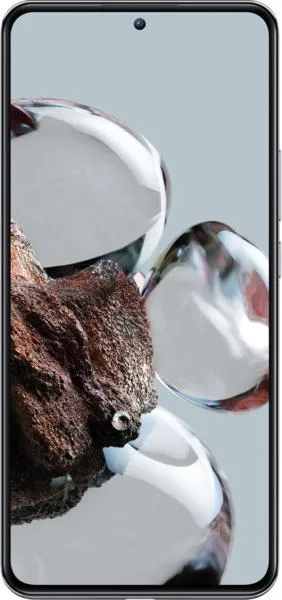
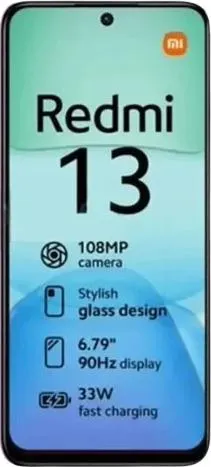
Let's dive into a comparative analysis of the Xiaomi 12T and the Xiaomi Redmi 13, dissecting their specifications and uncovering what they truly offer users.
1. Specifications Breakdown
| Feature | Xiaomi 12T | Xiaomi Redmi 13 | Real-World Implications |
|---|---|---|---|
| Design | |||
| Dimensions (mm) | 163.1 x 75.9 x 8.6 | 168.6 x 76.3 x 8.3 | 12T is slightly more compact. Redmi 13 might feel larger in hand. |
| Weight (g) | 202 | 205 | Negligible difference in weight; both feel substantial. |
| Display | |||
| Type | AMOLED | IPS LCD | 12T offers richer colors, deeper blacks, and better contrast. Redmi 13 has wider viewing angles. |
| Size (inches) | 6.67 | 6.79 | Redmi 13 has a slightly larger screen. |
| Resolution | 1220 x 2712 | 1080 x 2460 | 12T boasts sharper visuals due to higher pixel density (446 ppi vs 396 ppi). |
| Refresh Rate (Hz) | 120 | 90 | 12T provides smoother scrolling and animations. |
| Performance | |||
| Chipset | Dimensity 8100 Ultra | Helio G91 Ultra | 12T significantly outperforms in processing power and graphics rendering, enabling smoother multitasking and gaming. |
| CPU | Octa-core (2.85 GHz) | Octa-core (2.0 GHz) | 12T offers faster processing speeds. |
| RAM (GB) | 8 | 6/8 | 8GB RAM on both ensures smooth multitasking, but the 12T's superior processor will handle demanding tasks better. |
| Camera | |||
| Main Camera (MP) | 108 | 108 | Comparable megapixel count, but image quality will likely differ due to sensor and processing variations. |
| Video | 4K@30fps, HDR | 1080p@30fps | 12T offers superior video recording capabilities with 4K resolution and HDR. |
| Battery Life | |||
| Capacity (mAh) | 5000 | 5030 | Negligible difference in battery capacity. Real-world battery life will depend on usage patterns and software optimization. |
2. Key Insights
The Xiaomi 12T is a clear winner in terms of performance, display, and camera capabilities. Its Dimensity 8100 Ultra chipset, coupled with a vibrant AMOLED display with a 120Hz refresh rate, delivers a premium user experience. The camera system, capable of 4K HDR video recording, is also a significant advantage.
The Xiaomi Redmi 13, while offering a larger display and comparable battery capacity, falls behind in processing power, display quality, and camera features. It's positioned as a more budget-friendly option.
3. User Profiles and Recommendations
Xiaomi 12T: Ideal for users who prioritize performance, a high-quality display, and advanced camera features. Gamers, content creators, and power users will appreciate its capabilities.
Xiaomi Redmi 13: Suitable for budget-conscious users who prioritize basic functionality and a large screen. Casual users who primarily use their phones for social media, web browsing, and light tasks will find it sufficient.
4. Buying Decision Framework
- What is your budget? The Redmi 13 is significantly cheaper.
- What are your performance needs? For demanding tasks and gaming, the 12T is essential.
- How important is display and camera quality? The 12T provides a superior visual experience.
My Choice
I would choose the Xiaomi 12T. As a tech journalist, performance and a fluid user experience are paramount. The 12T's Dimensity 8100 Ultra chipset, 120Hz AMOLED display, and superior camera system are compelling. While the Redmi 13 is more affordable, the significant performance difference and the enhanced visual experience of the 12T make it a worthwhile investment for my needs. The smoother performance and higher quality display would greatly enhance my productivity and content creation workflow. The price difference is justified by the tangible benefits in daily use.
