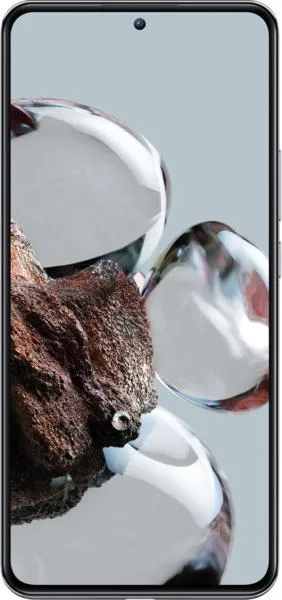
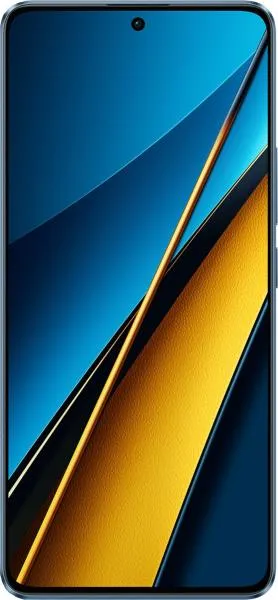
Xiaomi 12T vs. Xiaomi Poco X6: A Deep Dive for the Discerning Smartphone User
Hello fellow tech enthusiasts! Alex Griffin here, ready to dissect the Xiaomi 12T and the Poco X6. We'll go beyond the spec sheets to uncover what these phones really offer in terms of daily performance, usability, and overall value. Let's get started!
1. Specifications Breakdown
| Feature | Xiaomi 12T | Xiaomi Poco X6 | Real-World Implications |
|---|---|---|---|
| Design | |||
| Dimensions (mm) | 163.1 x 75.9 x 8.6 | 161.2 x 74.3 x 8.0 | Poco X6 is slightly smaller and lighter, potentially more comfortable for one-handed use. |
| Weight (g) | 202 | 181 | Noticeable difference in hand; Poco X6 feels less bulky. |
| Display | |||
| Size (inches) | 6.67 | 6.67 | Identical screen real estate. |
| Resolution | 1220 x 2712 | 1220 x 2712 | Same sharp resolution on both, offering crisp visuals. |
| Panel Type | AMOLED | AMOLED | Vibrant colors, deep blacks, and excellent contrast on both. |
| Refresh Rate (Hz) | 120 | 120 | Smooth scrolling and animations, enhancing the visual experience. |
| Peak Brightness (nits) | 900 (typical), 500 (peak) | 1800 (peak), 500 (typ), 1200 (HBM) | Poco X6 boasts significantly higher peak brightness for better outdoor visibility. |
| HDR | HDR10+ | Dolby Vision | Both support enhanced dynamic range for richer video content; Dolby Vision on the Poco X6 offers a potentially superior HDR experience. |
| Performance | |||
| Chipset | Dimensity 8100 Ultra | Snapdragon 7s Gen 2 | Dimensity 8100 Ultra generally benchmarks higher in raw performance, but real-world usage differences may be subtle. |
| CPU | Octa-core (4x2.85 GHz A78 & 4x2.0 GHz A55) | Octa-core (4x2.4 GHz A78 & 4x1.95 GHz A55) | 12T likely has a slight edge in demanding tasks. |
| GPU | Mali-G610 MC6 | Adreno 710 | Gaming performance should be comparable, with potential advantages for the 12T in certain titles. |
| RAM | 8GB | 12GB | Poco X6 offers more RAM for smoother multitasking and app switching. |
| Camera | |||
| Main Sensor (MP) | 108 | 64 | 12T boasts a higher resolution main sensor. Image quality will depend on processing and sensor size. |
| Video | 4K@30fps with HDR | 4K@30fps with EIS | Both can record 4K video; 12T with HDR, Poco X6 with Electronic Image Stabilization. |
| Battery Life | |||
| Capacity (mAh) | 5000 | 5100 | Very similar battery capacities; real-world battery life will depend on usage patterns and software optimization. |
2. Key Insights
- Performance: The 12T, with its Dimensity 8100 Ultra, likely edges out the Poco X6 in raw processing power. However, the Poco X6's 12GB RAM provides a significant advantage for multitasking and future-proofing. For most users, the performance difference will be negligible in day-to-day use.
- Display: Both phones offer stunning AMOLED displays with 120Hz refresh rates. However, the Poco X6's superior peak brightness makes it a clear winner for outdoor readability. The inclusion of Dolby Vision on the Poco X6 also suggests a potential advantage in HDR video playback.
- Camera: The 12T boasts a higher resolution main camera sensor (108MP vs. 64MP). However, megapixel count isn't everything. Real-world image quality will depend heavily on factors like sensor size, aperture, and image processing. The Poco X6 emphasizes video stabilization (EIS) which can be crucial for smoother footage.
- Value: The Poco X6 generally comes in at a lower price point, offering incredible value with its 12GB RAM and impressive display. The 12T might be positioned for users prioritizing slightly higher processing power.
3. User Profiles and Recommendations
- Xiaomi 12T: For users seeking a balance of performance and features, prioritizing raw processing power for demanding tasks or gaming, and who value HDR10+ content.
- Xiaomi Poco X6: Best suited for users who are highly engaged in multitasking, value a bright and vibrant display for media consumption outdoors, and prioritize a great price-to-performance ratio. The extra RAM makes it more future-proof.
4. Buying Decision Framework
- What is your budget? The Poco X6 generally offers a lower entry price.
- What are your primary use cases? Heavy multitasking and media consumption favor the Poco X6. Demanding gaming or content creation might lean towards the 12T.
- Do you prioritize outdoor visibility? If so, the Poco X6's brighter display is a significant advantage.
My Choice: The Poco X6
While the 12T offers a slightly more powerful processor, the Poco X6 wins me over with its exceptional value proposition. The combination of a brighter display with Dolby Vision, a generous 12GB of RAM for seamless multitasking, and a more competitive price point makes it the more compelling device for my needs. The slightly smaller and lighter form factor is a bonus for everyday comfort. While I respect the 12T's processing capabilities, the Poco X6's strengths better align with my priorities as a user who values a smooth, vibrant, and future-proof smartphone experience.
