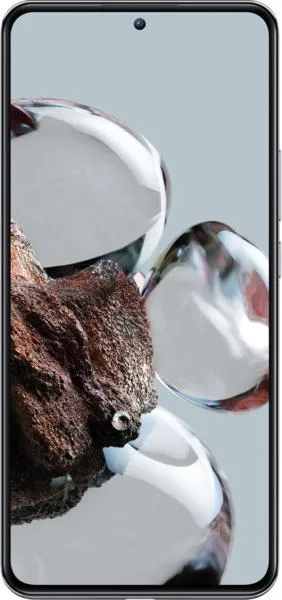
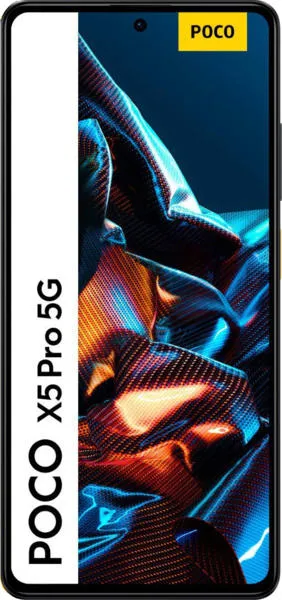
Xiaomi 12T vs. Xiaomi Poco X5 Pro: A Deep Dive for the Discerning User
Hello fellow tech enthusiasts! Today, we're dissecting two intriguing contenders from Xiaomi: the 12T and the Poco X5 Pro. Both vying for a spot in your pocket, these phones offer compelling features at a mid-range price. Let's dive into the specs, analyze their real-world impact, and help you decide which one reigns supreme.
1. Specifications Breakdown
| Feature | Xiaomi 12T | Xiaomi Poco X5 Pro | Real-World Implications |
|---|---|---|---|
| Design | |||
| Dimensions (mm) | 163.1 x 75.9 x 8.6 | 162.9 x 76 x 7.9 | Poco X5 Pro is slightly thinner and lighter, potentially improving one-handed use. |
| Weight (g) | 202 | 181 | Noticeable difference in hand; Poco X5 Pro will feel less bulky. |
| Display | |||
| Size (inches) | 6.67 | 6.67 | Identical screen real estate. |
| Resolution | 1220 x 2712 | 1080 x 2400 | 12T boasts sharper visuals due to higher pixel density; noticeable in text and fine details. |
| Type | AMOLED, 120Hz, HDR10+ | AMOLED, 120Hz, Dolby Vision, HDR10+ | Both offer smooth scrolling and vibrant colors; Poco X5 Pro adds Dolby Vision for enhanced HDR content. |
| Performance | |||
| Chipset | Dimensity 8100 Ultra (5nm) | Snapdragon 778G 5G (6nm) | 12T likely offers a performance edge in demanding tasks and gaming due to a more powerful CPU and GPU. |
| CPU | Octa-core (4x2.85 GHz A78 & 4x2.0 GHz A55) | Octa-core (1x2.4 GHz A78 & 3x2.2 GHz A78 & 4x1.9 GHz A55) | 12T's higher clock speeds suggest faster processing in single-core and multi-core workloads. |
| GPU | Mali-G610 MC6 | Adreno 642L | 12T's GPU likely delivers smoother gaming and faster graphics rendering. |
| RAM | 8GB | 6/8GB | 8GB RAM variant of both phones ensures smooth multitasking; base Poco X5 Pro has 6GB. |
| Camera | |||
| Main Sensor | 108MP, Samsung HM6 | 108MP, Samsung S5KHM2 | Both offer high-resolution photography; sensor performance differences require real-world testing. |
| Battery Life | |||
| Capacity | 5000mAh | 5000mAh | Similar battery capacity suggests comparable endurance; real-world usage will vary. |
2. Key Insights
The Xiaomi 12T prioritizes raw performance with its Dimensity 8100 Ultra chipset and higher resolution display. This translates to a smoother gaming experience, faster app loading, and crisper visuals.
The Poco X5 Pro, while slightly less powerful, offers Dolby Vision support for enhanced HDR video playback and a lighter, slimmer design. It's also generally more affordable. The lower resolution screen might be a drawback for some, but it could also contribute to slightly improved battery life compared to the 12T.
3. User Profiles and Recommendations
Xiaomi 12T: Power users, mobile gamers, and those who demand top-tier performance and a sharp display will appreciate the 12T.
Poco X5 Pro: Content consumers, casual gamers, and budget-conscious users seeking a well-rounded device with excellent multimedia capabilities will find the Poco X5 Pro attractive.
4. Buying Decision Framework
- Is top-tier performance a priority? If yes, the 12T's Dimensity 8100 Ultra is the clear winner.
- Is Dolby Vision support crucial for your viewing habits? If yes, the Poco X5 Pro offers this advantage.
- What's your budget? The Poco X5 Pro generally offers better value for money due to its lower price point.
My Choice: The Xiaomi 12T
While both phones offer compelling features, I would choose the Xiaomi 12T. As a tech enthusiast who values performance and a sharp display, the 12T's Dimensity 8100 Ultra and higher resolution screen are decisive factors for me. The slight increase in weight and price is a trade-off I'm willing to make for the noticeable boost in speed and visual clarity. While I appreciate the Dolby Vision on the Poco X5 Pro, I prioritize overall responsiveness and a premium visual experience. The 12T aligns better with my usage patterns, which often involve demanding applications, multitasking, and mobile gaming.
