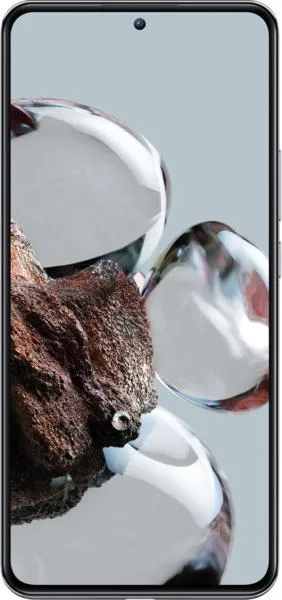
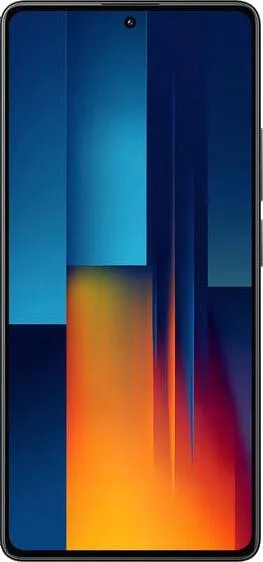
Xiaomi 12T vs. Xiaomi Poco M6 Pro: A Deep Dive
Let's dissect the Xiaomi 12T and the Poco M6 Pro, two compelling devices vying for your attention in the mid-range smartphone arena. We'll go beyond the spec sheet, translating technical jargon into real-world experiences to help you decide which phone fits your lifestyle.
1. Specifications Breakdown
| Feature | Xiaomi 12T | Xiaomi Poco M6 Pro | Real-World Implications |
|---|---|---|---|
| Design | |||
| Dimensions (mm) | 163.1 x 75.9 x 8.6 | 161.1 x 75 x 8 | 12T is slightly larger but thinner. Negligible difference in hand feel for most users. |
| Weight (g) | 202 | 179 | Poco M6 Pro is noticeably lighter, reducing hand fatigue during extended use. |
| Display | |||
| Type | AMOLED | AMOLED | Both offer vibrant colors and deep blacks. |
| Size | 6.67" | 6.67" | Identical screen sizes provide ample viewing space. |
| Resolution | 1220x2712 | 1080x2400 | 12T boasts a sharper display with finer details and crisper text, noticeable when reading or viewing high-resolution images. |
| Refresh Rate | 120Hz | 120Hz | Both offer smooth scrolling and fluid animations, enhancing gaming and overall responsiveness. |
| Peak Brightness | 900 nits (peak) | 1300 nits (peak) | Poco M6 Pro significantly brighter, improving outdoor visibility in direct sunlight. |
| Performance | |||
| Chipset | Dimensity 8100 Ultra | Helio G99 Ultra | 12T's Dimensity 8100 Ultra offers significantly better CPU and GPU performance, resulting in faster app loading, smoother multitasking, and superior gaming capabilities. |
| CPU | Octa-core (4x2.85 GHz & 4x2.0 GHz) | Octa-core (2x2.2 GHz & 6x2.0 GHz) | 12T's higher clock speeds and more powerful cores translate to a noticeably faster and more responsive user experience. |
| RAM | 8GB | 8GB (up to 12GB) | Both offer ample RAM for smooth multitasking, though the Poco M6 Pro offers a 12GB variant for even more demanding users. |
| Camera | |||
| Main Sensor | 108MP Samsung HM6 | 64MP Omnivision OV64B | 12T packs a higher resolution main sensor, potentially capturing more detail in photos. Image quality depends on factors beyond resolution. |
| Video | 4K@30fps with HDR | 1080p@30fps with EIS | 12T offers superior video recording capabilities with higher resolution and HDR support. |
| Battery Life | |||
| Capacity | 5000mAh | 5000mAh | Both have identical battery capacities, expected to deliver all-day battery life with moderate usage. Real-world usage will vary. |
2. Key Insights
The Xiaomi 12T shines with its superior performance, sharper display, and more capable camera system. The Dimensity 8100 Ultra chipset delivers a noticeable boost in speed and responsiveness compared to the Poco M6 Pro's Helio G99 Ultra. The higher resolution display and 4K video recording further solidify the 12T's position as the more premium device.
The Poco M6 Pro, while less powerful, counters with a brighter display for better outdoor visibility, a lighter weight for comfortable handling, and a potentially more competitive price point. The availability of a 12GB RAM variant might appeal to users who prioritize extensive multitasking.
3. User Profiles and Recommendations
Xiaomi 12T: Ideal for users who demand top-tier performance for gaming, demanding applications, and content creation. Photographers and videographers will appreciate the superior camera system.
Poco M6 Pro: Best suited for budget-conscious users who prioritize a bright display, long battery life, and ample RAM for everyday tasks. Its lighter weight makes it comfortable for extended use.
4. Buying Decision Framework
- Is top-tier performance a priority? If yes, the 12T's Dimensity 8100 Ultra is the clear winner.
- What's your budget? The Poco M6 Pro is likely to be more affordable, making it a strong value proposition.
- Do you frequently use your phone outdoors in bright sunlight? If so, the Poco M6 Pro's brighter display will be a significant advantage.
My Choice: The Xiaomi 12T
While the Poco M6 Pro offers excellent value, I would choose the Xiaomi 12T. The significant performance difference provided by the Dimensity 8100 Ultra, coupled with the sharper display and superior camera system, outweighs the benefits of the Poco M6 Pro for my needs. I prioritize a smooth and responsive user experience, especially for tasks like gaming and photo editing. The slightly higher price of the 12T is a justifiable trade-off for the substantial upgrade in overall performance and capabilities. The 12T feels like a future-proof investment, capable of handling demanding tasks for years to come.
