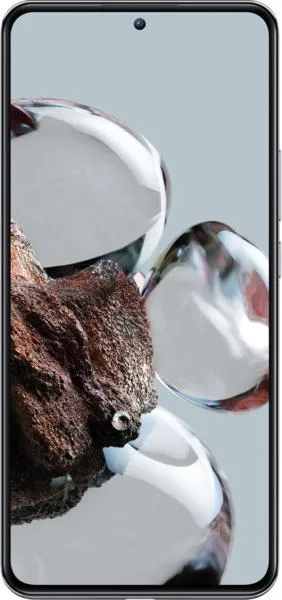
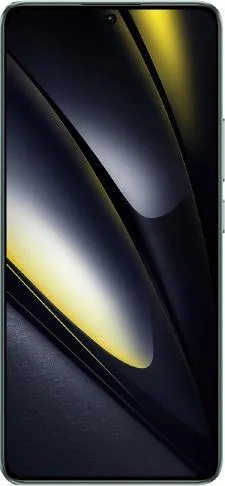
Xiaomi 12T vs. Xiaomi Poco F6: A Deep Dive for the Discerning Smartphone User
Hello fellow tech enthusiasts! Alex Griffin here, ready to dissect the Xiaomi 12T and the Poco F6. We'll go beyond the spec sheets to uncover what these phones offer in the real world. Let's get started!
1. Specifications Breakdown
| Feature | Xiaomi 12T | Xiaomi Poco F6 | Real-World Implications |
|---|---|---|---|
| Design | |||
| Dimensions (mm) | 163.1 x 75.9 x 8.6 | 160.5 x 74.5 x 8 | Poco F6 is slightly smaller and lighter, potentially improving one-handed usability. |
| Weight (g) | 202 | 179 | Noticeable difference in hand feel; Poco F6 will feel less bulky. |
| Display | |||
| Size (inches) | 6.67 | 6.67 | Identical screen real estate. |
| Resolution (px) | 1220 x 2712 | 1220 x 2712 | Same sharpness; no discernible difference in visual clarity. |
| Type | AMOLED, 120Hz | AMOLED, 120Hz | Both offer vibrant colors, deep blacks, and smooth scrolling. |
| Peak Brightness | 900 nits (peak) | 2400 nits (peak) | Poco F6 boasts significantly higher peak brightness, ensuring exceptional outdoor visibility. |
| Performance | |||
| Chipset | Dimensity 8100 Ultra (5 nm) | Snapdragon 8s Gen 3(4 nm) | Poco F6's newer processor likely offers a performance advantage in demanding tasks and gaming. |
| CPU | Octa-core (4x2.85 GHz A78 & 4x2.0 GHz A55) | Octa-core (1x3.0 GHz X4 & 4x2.8 GHz A720 & 3x2.0 GHz A520) | Poco F6's CPU architecture suggests superior single-core and potentially better multi-core performance. |
| GPU | Mali-G610 MC6 | Adreno 735 | Adreno 735 generally delivers stronger graphics performance, benefiting gaming and visual tasks. |
| RAM | 8GB | Up to 12GB | Poco F6 offers configurations with more RAM, enabling smoother multitasking and handling larger apps. |
| Camera | |||
| Main Camera | 108MP, Samsung HM6 | 50MP, Sony IMX882 | 12T boasts higher resolution; Poco F6 utilizes a renowned Sony sensor known for image quality. |
| Battery Life | |||
| Capacity (mAh) | 5000 | 5000 | Identical battery capacities suggest similar potential battery life. Charging speeds not compared due to lack of data. |
2. Key Insights
- Performance: The Poco F6, with its newer Snapdragon chipset, Adreno GPU, and higher RAM options, is likely the performance champion. This translates to faster app loading, smoother gaming, and better handling of demanding tasks.
- Display: While both phones have excellent AMOLED displays with 120Hz refresh rates, the Poco F6's superior peak brightness is a game-changer for outdoor use.
- Camera: The 12T's 108MP main camera offers impressive resolution, but megapixels aren't everything. The Poco F6's Sony IMX882 sensor is known for its excellent light capture and dynamic range, potentially delivering superior image quality overall. Lack of OIS on the Poco F6 may impact low-light and video stability. This requires further investigation.
- Design: The Poco F6 is slightly lighter and more compact, making it potentially more comfortable for extended use and one-handed operation.
3. User Profiles and Recommendations
- Xiaomi 12T: Ideal for users prioritizing a high-resolution camera and who value a well-rounded device at a competitive price.
- Xiaomi Poco F6: Best suited for performance enthusiasts, mobile gamers, and users who demand top-tier processing power and a bright, vibrant display.
4. Buying Decision Framework
- What is your budget? Both phones fall in the mid-range, but specific pricing may vary.
- Is top-tier performance a priority? If yes, the Poco F6 is the clear winner.
- Do you frequently use your phone outdoors in bright sunlight? If so, the Poco F6's significantly brighter display is a major advantage.
My Choice: The Poco F6
While the 12T is a compelling device, I would choose the Poco F6. The newer and more powerful Snapdragon 8s Gen 3, coupled with the brighter display and potential for superior image quality (pending further review of real-world camera performance) make it the more future-proof and versatile device. The slightly improved ergonomics are a welcome bonus. While the 12T offers a higher resolution main camera, I prioritize overall image quality and performance. The Poco F6 seems to offer a better balance for my needs.
