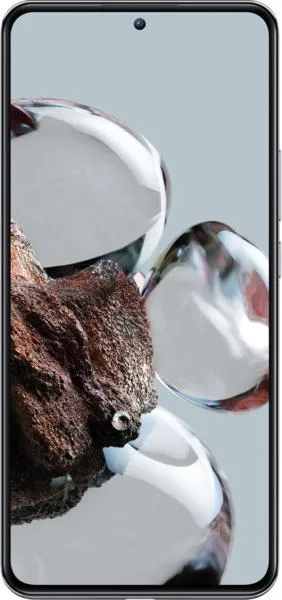
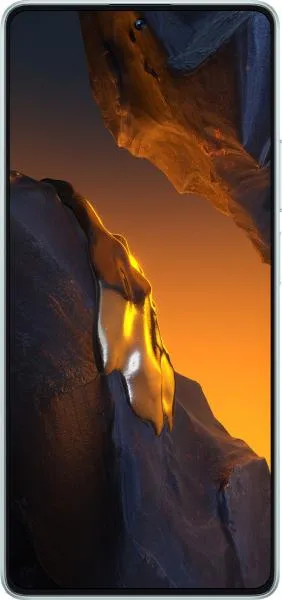
Xiaomi 12T vs. Xiaomi Poco F5: A Deep Dive for the Discerning Smartphone User
Hello fellow tech enthusiasts! Alex Griffin here, ready to dissect the Xiaomi 12T and the Poco F5. We'll go beyond the spec sheets and delve into what these numbers really mean for your daily life. Let's get started!
1. Specifications Breakdown
| Feature | Xiaomi 12T | Xiaomi Poco F5 | Real-World Implications | |||||
|---|---|---|---|---|---|---|---|---|
| Design | ||||||||
| Dimensions (mm) | 163.1 x 75.9 x 8.6 | 161.1 x 75 x 7.9 | Poco F5 is slightly smaller and lighter, potentially improving one-handed usability. | |||||
| Weight (g) | 202 | 181 | Noticeable difference in hand; Poco F5 will feel less bulky. | |||||
| Display | ||||||||
| Size (inches) | 6.67 | 6.67 | Identical screen sizes offer the same media consumption experience. | |||||
| Resolution | 1220 x 2712 | 1080 x 2400 | 12T boasts a sharper display with higher pixel density, resulting in crisper visuals. | |||||
| Refresh Rate (Hz) | 120 | 120 | Both offer smooth scrolling and animations. | |||||
| Panel Type | AMOLED | AMOLED | Vibrant colors, deep blacks, and excellent contrast on both devices. | |||||
| HDR | HDR10+ | HDR10+, Dolby Vision | Poco F5 supports Dolby Vision, offering potentially better HDR performance in supported content. | |||||
| Performance | ||||||||
| Chipset | Dimensity 8100 Ultra | Snapdragon 7+ Gen 2 | Poco F5's newer processor generally benchmarks higher in CPU and GPU performance. | |||||
| CPU | Octa-core (4x2.85 GHz Cortex-A78 & 4x2.0 GHz Cortex-A55) | Octa-core (1x2.91 GHz Cortex-X2 & 3x2.49 GHz Cortex-A710 & 4x1.8 GHz Cortex-A510) | Poco F5's more modern CPU architecture should offer better performance, especially in demanding tasks. | GPU | Mali-G610 MC6 | Adreno 725 | Poco F5's GPU offers a significant performance advantage for gaming and graphically intensive applications. | |
| RAM (GB) | 8 | 8/12 | Poco F5 offers a 12GB RAM option for enhanced multitasking. | |||||
| Camera | ||||||||
| Main Camera (MP) | 108 | 64 | 12T boasts significantly higher megapixel count; however, real-world image quality depends on various factors. | |||||
| Battery Life | ||||||||
| Capacity (mAh) | 5000 | 5000 | Identical battery capacities suggest similar longevity, although real-world usage will vary. |
2. Key Insights
Performance: The Poco F5, with its Snapdragon 7+ Gen 2, pulls ahead in raw processing power. This translates to smoother gaming, faster app loading, and better multitasking, especially with the 12GB RAM option. The 12T, while no slouch with its Dimensity 8100 Ultra, lags slightly in benchmarks.
Display: While both phones have gorgeous AMOLED displays with 120Hz refresh rates, the 12T's higher resolution screen delivers noticeably sharper images and text. If you value crisp visuals, the 12T has the edge. However, the Poco F5 supports Dolby Vision, potentially providing a better HDR experience.
Camera: The 12T flaunts a 108MP main sensor compared to the Poco F5's 64MP. Megapixels aren't everything, but the 12T generally captures more detail. However, image processing, lens quality, and software play crucial roles. We need real-world camera comparisons to draw definitive conclusions.
Value: The Poco F5 generally comes in at a lower price point, offering incredible performance for the money. The 12T, while more expensive, justifies its price with a higher-resolution display and a higher megapixel main camera.
3. User Profiles and Recommendations
Xiaomi 12T: For users who prioritize a sharp, vibrant display and a high-resolution camera, and are willing to pay a premium for it. Ideal for content consumption, photography enthusiasts, and those who appreciate fine details.
Xiaomi Poco F5: Power users and gamers seeking top-tier performance at a more affordable price will be thrilled with the Poco F5. It's a speed demon that handles demanding tasks with ease.
4. Buying Decision Framework
What's your budget? The Poco F5 offers exceptional value for its price. If budget is a constraint, it's the clear winner.
Is top-tier performance a priority? If gaming or heavy multitasking is crucial, the Poco F5's Snapdragon 7+ Gen 2 delivers.
Do you value a sharper display above all else? The 12T's higher resolution screen is a treat for the eyes.
My Choice: The Poco F5
While I appreciate the 12T's beautiful display, I'm leaning towards the Poco F5. As a tech enthusiast, raw performance and cutting-edge technology excite me. The Snapdragon 7+ Gen 2 is a beast, offering a significant leap in performance over the Dimensity 8100 Ultra. The slightly lower resolution display is a trade-off I'm willing to make for the significant performance gains and the lower price point. The value proposition of the Poco F5 is hard to beat. It's a true flagship killer, delivering near-flagship performance at a mid-range price.
