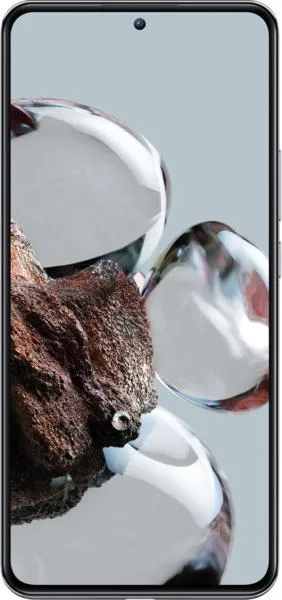
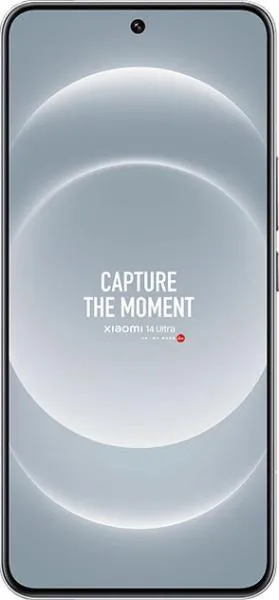
Xiaomi 12T vs. Xiaomi 14 Ultra: A Deep Dive for the Discerning User
Hello tech aficionados! Alex Griffin here, ready to dissect the Xiaomi 12T and the Xiaomi 14 Ultra. We'll go beyond the spec sheet to understand how these devices perform in the real world. Let's get started!
1. Specifications Breakdown
| Feature | Xiaomi 12T | Xiaomi 14 Ultra | Real-World Implications |
|---|---|---|---|
| Design | |||
| Dimensions (mm) | 163.1 x 75.9 x 8.6 | 161.4 x 75.3 x 9.2 | 14 Ultra slightly shorter and wider, but noticeably thicker. 12T might feel more pocketable. |
| Weight (g) | 202 | 229.5 | 14 Ultra significantly heavier; noticeable in prolonged use. |
| Display | |||
| Size (inches) | 6.67 | 6.73 | Negligible size difference in real-world usage. |
| Resolution | 1220 x 2712 | 1440 x 3200 | 14 Ultra boasts sharper visuals due to higher pixel density, beneficial for media consumption and detail-oriented tasks. |
| Panel Type | AMOLED | LTPO AMOLED | Both offer vibrant colors and deep blacks. 14 Ultra's LTPO panel allows for dynamic refresh rate adjustment, conserving battery. |
| Refresh Rate | 120Hz | 120Hz | Both provide smooth scrolling and animations. |
| Peak Brightness | 900 nits (peak) | 3000 nits (peak) | 14 Ultra's dramatically higher peak brightness ensures exceptional outdoor visibility. |
| Performance | |||
| Chipset | Dimensity 8100 Ultra | Snapdragon 8 Gen 3 | 14 Ultra's newer generation flagship processor offers significant performance gains in demanding tasks and gaming. |
| CPU | Octa-core (4x2.85 GHz A78 & 4x2.0 GHz A55) | Octa-core (1x3.3 GHz X4 & 3x3.2 GHz A720 & 2x3.0 GHz A720 & 2x2.3 GHz A520) | 14 Ultra's more advanced CPU architecture provides superior processing power and efficiency. |
| RAM | 8GB | 16GB | Double the RAM on the 14 Ultra enables smoother multitasking and effortless handling of memory-intensive applications. |
| Camera | |||
| Main Sensor | 108MP Samsung HM6 | 50MP Sony LYT-900 | While 12T has higher megapixels, 14 Ultra boasts a larger 1-inch sensor, capturing more light and detail, especially in low-light. |
| Other Cameras | 8MP Wide, 2MP Macro | 50MP Wide+Macro, 50MP Telephoto (2x), 50MP Periscope Telephoto (5x) | 14 Ultra offers a far more versatile camera system with superior zoom capabilities and macro functionality. |
| Battery Life | |||
| Capacity | 5000mAh | 5000mAh | Similar battery capacities, but 14 Ultra's LTPO display and more efficient processor may translate to longer real-world usage. |
2. Key Insights
The Xiaomi 12T is a solid mid-range contender with a beautiful display and capable performance for everyday tasks. Its strengths lie in its attractive price point and a smooth user experience for general usage.
The Xiaomi 14 Ultra, on the other hand, is a true flagship powerhouse. Its cutting-edge processor, stunning display with unparalleled brightness, and incredibly versatile camera system place it in a league of its own. The leap in camera technology, particularly with the 1-inch main sensor and advanced zoom capabilities, is a game-changer.
3. User Profiles and Recommendations
Xiaomi 12T: Ideal for budget-conscious users, students, or anyone seeking a reliable smartphone for everyday communication, social media, and light gaming.
Xiaomi 14 Ultra: Perfect for power users, photography enthusiasts, content creators, or anyone demanding top-tier performance, an exceptional camera system, and the latest mobile technologies.
4. Buying Decision Framework
- What's your budget? The 12T offers excellent value for its price, while the 14 Ultra commands a flagship premium.
- What are your primary use cases? For everyday tasks, the 12T suffices. For demanding gaming, professional photography/videography, the 14 Ultra is the clear winner.
- How important is camera quality? The 14 Ultra's camera system significantly outperforms the 12T.
My Choice: Xiaomi 14 Ultra
While the Xiaomi 12T is a solid phone, I would choose the Xiaomi 14 Ultra. The significant advancements in processing power, camera technology (especially that glorious 1-inch sensor!), and display quality are too compelling to ignore. As someone who values cutting-edge technology and demands top-tier performance, the 14 Ultra aligns perfectly with my needs. The price premium is justified by the substantial upgrade in overall experience. It's an investment in a device that will remain powerful and relevant for years to come. I'm particularly drawn to the enhanced low-light photography capabilities and the versatility offered by the multiple telephoto lenses. For me, the 14 Ultra represents a significant leap forward in mobile technology, and I'm excited about the possibilities it unlocks.
