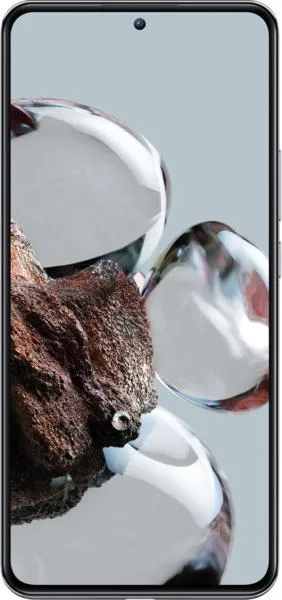
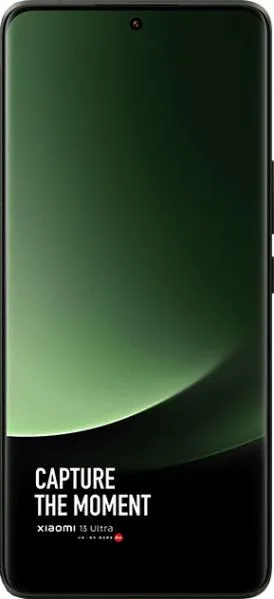
Xiaomi 12T vs. Xiaomi 13 Ultra: A Deep Dive for the Discerning User
Hello, fellow tech explorers! Alex Griffin here, ready to dissect the Xiaomi 12T and the Xiaomi 13 Ultra. We'll go beyond the spec sheets to uncover what these phones really offer in terms of daily use. Let's get started!
1. Specifications Breakdown
| Feature | Xiaomi 12T | Xiaomi 13 Ultra | Real-World Implications |
|---|---|---|---|
| Design | |||
| Dimensions (mm) | 163.1 x 75.9 x 8.6 | 163.2 x 74.6 x 9.1 | 13 Ultra slightly wider, thicker, heavier. Noticeable in hand, but not drastically so. |
| Weight (g) | 202 | 227 | 13 Ultra feels more substantial; may impact one-handed use for some. |
| Display | |||
| Size (inches) | 6.67 | 6.73 | Negligible difference in screen real estate. |
| Resolution | 1220 x 2712 | 1440 x 3200 | 13 Ultra sharper, crisper text and images. Noticeable in detail-rich content like photos and videos. |
| Type | AMOLED | LTPO AMOLED | Both offer vibrant colors and deep blacks. LTPO on the 13 Ultra enables dynamic refresh rate, saving battery. |
| Refresh Rate (Hz) | 120 | 120 | Both offer smooth scrolling and animations. |
| Peak Brightness | 900 nits (peak) | 2600 nits (peak) | 13 Ultra vastly brighter, crucial for outdoor visibility. |
| Performance | |||
| Chipset | Dimensity 8100 Ultra | Snapdragon 8 Gen 2 | 13 Ultra significantly more powerful; faster app loading, smoother multitasking, better gaming performance. |
| CPU | Octa-core | Octa-core | Both offer strong multi-core performance, but 13 Ultra's architecture provides a higher performance ceiling. |
| GPU | Mali-G610 MC6 | Adreno 740 | 13 Ultra boasts superior graphics rendering; smoother gaming, faster image/video processing. |
| RAM | 8GB | 12GB/16GB | 13 Ultra offers more RAM; better multitasking, less app reloading. |
| Camera | |||
| Main Sensor | 108MP, Samsung HM6 | 50MP, Sony IMX989 | 13 Ultra uses a larger sensor (1-inch) capturing more light, resulting in better low-light performance and dynamic range. |
| Lens System | Triple | Quad | 13 Ultra features Leica-tuned lenses and a versatile periscope telephoto lens for superior zoom capabilities. |
| Battery Life | |||
| Capacity (mAh) | 5000 | 5000 | Similar battery capacities, but real-world usage will vary due to display and chipset differences. |
2. Key Insights
- Performance Powerhouse: The 13 Ultra significantly outperforms the 12T, thanks to the Snapdragon 8 Gen 2. This translates to a noticeably smoother and faster experience across all tasks.
- Camera Champion: The 13 Ultra's 1-inch main sensor and Leica collaboration deliver a significant photography advantage. Expect superior image quality, especially in challenging lighting conditions.
- Display Delight: Both phones offer excellent AMOLED displays, but the 13 Ultra's LTPO panel and extreme peak brightness set it apart.
- Price Point Pondering: The 13 Ultra commands a significantly higher price, reflecting its premium features and performance.
3. User Profiles and Recommendations
- Xiaomi 12T: For budget-conscious users who prioritize a smooth display, solid performance for everyday tasks, and capable camera, the 12T offers excellent value.
- Xiaomi 13 Ultra: For demanding users who want the absolute best in mobile technology – top-tier performance, a groundbreaking camera system, and a stunning display – the 13 Ultra is the ultimate choice.
4. Buying Decision Framework
- What's your budget? The 12T is a mid-range option, while the 13 Ultra is a flagship device with a flagship price.
- Are you a power user or a casual user? If you demand top-tier performance for gaming, demanding apps, or content creation, the 13 Ultra is the clear winner.
- How important is camera quality? The 13 Ultra boasts a significantly more advanced and capable camera system.
My Choice: The Xiaomi 13 Ultra
While the 12T is a compelling device at its price point, I'd choose the Xiaomi 13 Ultra. As a tech enthusiast and someone who appreciates cutting-edge technology, the 13 Ultra's superior performance, class-leading camera system, and stunning display are simply too enticing. The significant price premium is justified by the leap in overall experience. The investment is worthwhile for the noticeable improvements in daily use, especially for demanding tasks like photography, video editing, and gaming. It represents the pinnacle of mobile technology, offering a glimpse into the future of smartphones.
