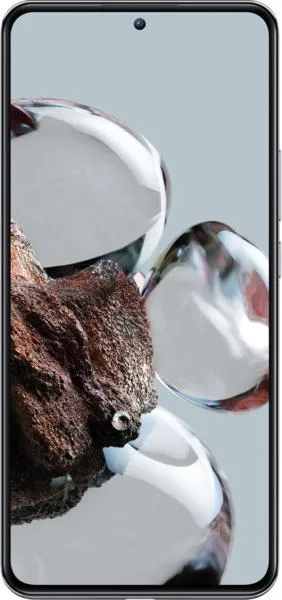
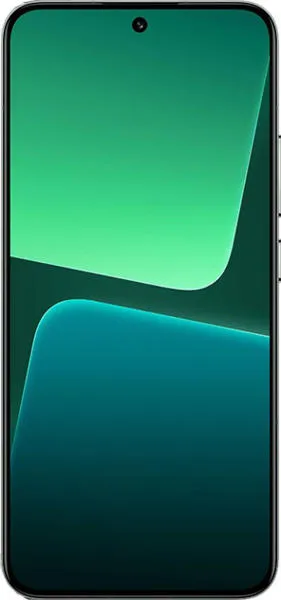
Xiaomi 12T vs. Xiaomi 13: A Deep Dive for the Discerning User
Hello, fellow tech enthusiasts! Alex Griffin here, ready to dissect the Xiaomi 12T and the Xiaomi 13. We'll go beyond the spec sheet and delve into what these numbers really mean for your daily life. Let's get started!
1. Specifications Breakdown
| Feature | Xiaomi 12T | Xiaomi 13 | Real-World Implications | |||||
|---|---|---|---|---|---|---|---|---|
| Design | ||||||||
| Dimensions (mm) | 163.1 x 75.9 x 8.6 | 152.8 x 71.5 x 8.0 | Xiaomi 13 is noticeably more compact, easier for one-handed use and pocket portability. | |||||
| Weight (g) | 202 | 185 | Lighter weight of the 13 enhances comfort during extended use. | |||||
| Display | ||||||||
| Size (inches) | 6.67 | 6.36 | 12T offers a larger canvas for media consumption; 13 provides a more manageable form factor. | |||||
| Resolution | 1220 x 2712 | 1080 x 2400 | 12T boasts sharper visuals due to higher pixel density; 13's resolution is still ample for most. | |||||
| Refresh Rate (Hz) | 120 | 120 | Both offer smooth scrolling and animations. | |||||
| Display Type | AMOLED | AMOLED | Vibrant colors, deep blacks, and excellent contrast on both. | |||||
| Peak Brightness | 900 nits (peak) | 1900 nits (peak) | 13 excels in outdoor visibility, even in direct sunlight. | HDR | HDR10+ | Dolby Vision | 13 supports Dolby Vision for enhanced dynamic range in compatible content. | |
| Performance | ||||||||
| Chipset | Dimensity 8100 Ultra | Snapdragon 8 Gen 2 | 13 significantly outperforms the 12T in raw processing power, enabling smoother multitasking and demanding gaming. | |||||
| CPU | Octa-core (4x2.85 GHz Cortex-A78 & 4x2.0 GHz Cortex-A55) | Octa-core (1x3.2 GHz Cortex-X3 & 2x2.8 GHz Cortex-A715 & 2x2.8 GHz Cortex-A710 & 3x2.0 GHz Cortex-A510) | 13 has a more powerful and efficient CPU architecture. | |||||
| GPU | Mali-G610 MC6 | Adreno 740 | 13's Adreno 740 GPU provides a substantial leap in graphics performance for gaming and visually intensive tasks. | |||||
| RAM | 8GB | 8GB/12GB | 13 offers a 12GB RAM option for even more aggressive multitasking. | |||||
| Camera | ||||||||
| Main Sensor | 108MP (Samsung HM6) | 50MP (Sony IMX800) | While 12T has higher megapixel count, 13 utilizes a larger sensor for potentially better low-light performance and dynamic range. Leica collaboration on the 13 may result in superior image processing. | |||||
| Ultrawide | 8MP | 12MP | 13 offers a higher resolution ultrawide for more detailed shots. | |||||
| Telephoto | None | 10MP | 13 includes a dedicated telephoto lens for optical zoom capabilities. | |||||
| Battery | ||||||||
| Capacity (mAh) | 5000 | 4500 | 12T offers a larger battery capacity, potentially translating to longer usage time. |
2. Key Insights
- Performance: The Xiaomi 13, with its Snapdragon 8 Gen 2, is a performance powerhouse. It will handle anything you throw at it, from demanding games to heavy multitasking. The 12T, while capable, lags behind in raw processing power.
- Camera: The Xiaomi 13's camera system, co-engineered with Leica, promises superior image quality, especially in challenging conditions. The inclusion of a telephoto lens adds versatility. The 12T's 108MP sensor can capture highly detailed images in good light, but the 13 might edge out in overall image quality.
- Size and Portability: The Xiaomi 13 is significantly more compact and lighter, making it ideal for one-handed use. If pocketability is a priority, the 13 is the clear winner.
- Battery Life: The Xiaomi 12T's larger battery might offer longer endurance, but real-world battery life depends on usage patterns. The 13's more efficient processor could potentially offset the smaller battery capacity.
3. User Profiles and Recommendations
- Xiaomi 12T: Suited for users prioritizing a large display for media consumption, long battery life, and a more budget-friendly option. Excellent for casual gamers, social media enthusiasts, and content consumers.
- Xiaomi 13: Ideal for users seeking top-tier performance, a premium camera experience, a compact and stylish design, and the latest technology. Perfect for power users, mobile gamers, photography enthusiasts, and those who value a flagship experience.
4. Buying Decision Framework
- What is your budget? The 12T is significantly more affordable than the 13.
- What are your performance needs? For demanding tasks and gaming, the 13 is the better choice.
- What is your photography style? The 13 offers a more versatile camera system with a telephoto lens and potentially superior image quality due to its larger sensor and Leica collaboration.
My Choice: I would personally choose the Xiaomi 13. While the 12T offers excellent value, I prioritize the compact form factor, the flagship-level performance of the Snapdragon 8 Gen 2, and the promise of a superior camera experience thanks to the Leica collaboration. The slightly smaller battery is a trade-off I'm willing to make for the significant gains in other areas. The 13's overall package feels more future-proof and aligned with my needs as a power user who values both performance and portability.
