
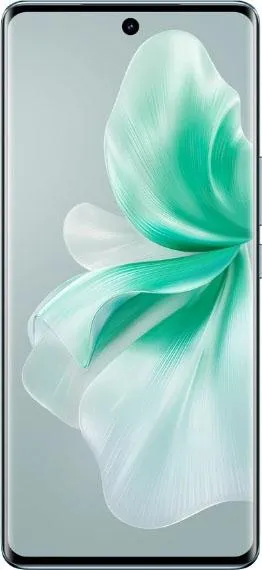
Xiaomi 12T vs. vivo V30: A Deep Dive for the Discerning Smartphone User
The mid-range smartphone arena is fiercely competitive, with devices vying for your attention with compelling features and aggressive pricing. Today, we dissect two contenders – the Xiaomi 12T and the vivo V30 – to determine which phone offers the best blend of performance, features, and value.
1. Specifications Breakdown
| Feature | Xiaomi 12T | vivo V30 | Real-World Implications |
|---|---|---|---|
| Design | |||
| Dimensions (mm) | 163.1 x 75.9 x 8.6 | 164.4 x 75.1 x 7.5 | V30 slightly taller, thinner |
| Weight (g) | 202 | 186 | V30 noticeably lighter in hand |
| Display | |||
| Size (inches) | 6.67 | 6.78 | V30 marginally larger screen |
| Resolution | 1220 x 2712 | 1260 x 2800 | Both sharp; V30 slightly higher pixel density |
| Type | AMOLED | AMOLED | Vibrant colors, deep blacks on both |
| Refresh Rate (Hz) | 120 | 120 | Smooth scrolling and animations on both |
| Performance | |||
| Chipset | Dimensity 8100 Ultra | Snapdragon 7 Gen 3 | Snapdragon 7 Gen 3 newer architecture, potentially more efficient |
| CPU | Octa-core (4x2.85 GHz A78 & 4x2.0 GHz A55) | Octa-core (1x2.63 GHz A715 & 3x2.4 GHz A715 & 4x1.8 GHz A510) | Both capable for everyday tasks; benchmarks needed for detailed comparison |
| GPU | Mali-G610 MC6 | Adreno 720 | Adreno 720 generally stronger in graphics performance |
| RAM | 8GB | 8GB | Sufficient for multitasking on both |
| Camera | |||
| Main Camera (MP) | 108 | 50 | Xiaomi boasts higher resolution; real-world image quality depends on sensor and processing |
| Ultrawide (MP) | 8 | 50 | vivo offers higher resolution ultrawide |
| Macro (MP) | 2 | N/A | Xiaomi includes a dedicated macro lens |
| Selfie (MP) | 20 | 50 | vivo significantly higher resolution selfie camera |
| Battery Life | |||
| Capacity (mAh) | 5000 | 5000 | Similar battery capacity; real-world usage will vary based on efficiency |
2. Key Insights
- Performance: While both chipsets are powerful, the Snapdragon 7 Gen 3 in the vivo V30 leverages a newer architecture, potentially offering better power efficiency and sustained performance. The Adreno 720 GPU generally delivers superior graphics capabilities compared to the Mali-G610 MC6.
- Camera: The Xiaomi 12T boasts a higher resolution main sensor (108MP), but megapixels alone don't tell the whole story. The vivo V30 counters with a high-resolution 50MP ultrawide and a remarkable 50MP selfie camera, potentially exceeding the 12T in these areas. Real-world image comparison is crucial.
- Display: Both phones feature stunning AMOLED displays with 120Hz refresh rates, ensuring smooth visuals. The V30's slightly larger screen and marginally higher pixel density provide a subtle advantage in immersion. The V30 also boasts a higher peak brightness, making it more readable in direct sunlight.
- Design and Build: The vivo V30 is noticeably lighter and slimmer, potentially enhancing one-handed usability. Personal preference will dictate which design aesthetic resonates more with users.
3. User Profiles and Recommendations
- Xiaomi 12T: Suited for users prioritizing a high-resolution main camera and potentially better value due to typically lower pricing.
- vivo V30: Ideal for users who value a lightweight and slim design, superior selfie capabilities, a brighter display, and the latest chipset technology. Potentially a better choice for mobile gamers given the Adreno GPU.
4. Buying Decision Framework
- What is your budget? The Xiaomi 12T is generally more affordable.
- Are you a heavy gamer or prefer excellent selfie photos? If so, the vivo V30's GPU and front-facing camera are compelling.
- Which design and in-hand feel do you prefer? Consider the weight and dimensions carefully.
My Choice: I would choose the vivo V30. While the Xiaomi 12T offers a compelling package, I prioritize the V30's lighter and slimmer design, the potentially superior performance and power efficiency of the Snapdragon 7 Gen 3, the advantage in the ultrawide and selfie camera departments, and the brighter display. While price is a factor, the advancements in the V30, particularly in the areas I value most (performance, display, and daily usability), make it the more compelling device for me.
