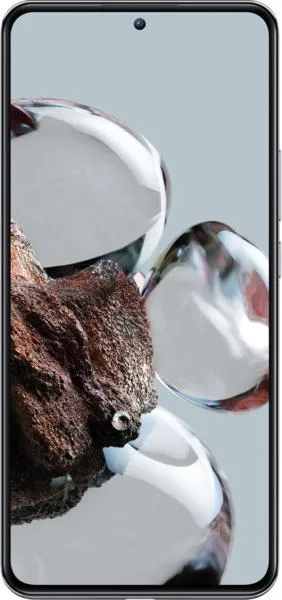
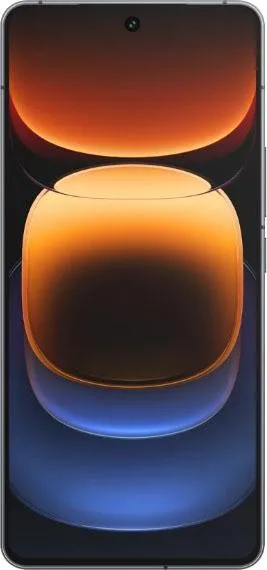
Xiaomi 12T vs. vivo iQOO 12: A Deep Dive for the Discerning Smartphone User
Hello, fellow tech enthusiasts! Alex Griffin here, ready to dissect the Xiaomi 12T and the vivo iQOO 12. We'll go beyond the spec sheets to uncover what these phones really offer in terms of daily performance and user experience. Let's get started!
1. Specifications Breakdown
| Feature | Xiaomi 12T | vivo iQOO 12 | Real-World Implications |
|---|---|---|---|
| Design | |||
| Dimensions (mm) | 163.1 x 75.9 x 8.6 | 163.2 x 75.9 x 8.1 | iQOO 12 slightly thinner |
| Weight (g) | 202 | 198.5 | Negligible difference in hand |
| Display | |||
| Size (inches) | 6.67 | 6.78 | iQOO 12 slightly larger |
| Resolution | 1220 x 2712 | 1260 x 2800 | Both sharp; iQOO 12 marginally sharper |
| Type | AMOLED | LTPO AMOLED | iQOO 12: potentially better battery life, smoother scrolling |
| Refresh Rate (Hz) | 120 | 144 | iQOO 12: more fluid animations and gaming |
| Peak Brightness (nits) | 900 (peak) | 3000 (peak) | iQOO 12: far superior outdoor visibility |
| Performance | |||
| Chipset | Dimensity 8100 Ultra | Snapdragon 8 Gen 3 | iQOO 12: significantly faster CPU and GPU, better AI processing |
| CPU | Octa-core (4x2.85 GHz A78 & 4x2.0 GHz A55) | Octa-core (1x3.3 GHz X4 & ... & 2x2.3 GHz A520) | iQOO 12: noticeable performance advantage in demanding tasks |
| RAM (GB) | 8 | 12/16 | iQOO 12: superior multitasking and app loading speed |
| Camera | |||
| Main Camera (MP) | 108 | 50 | Xiaomi 12T: higher resolution; iQOO 12: potentially larger sensor, wider aperture |
| Ultrawide (MP) | 8 | 50 | iQOO 12: significantly better ultrawide experience |
| Telephoto (MP) | N/A | 64 | iQOO 12: dedicated telephoto lens for optical zoom |
| Video | 4K@30fps | 8K@30fps | iQOO 12: higher resolution video recording |
| Battery Life | |||
| Capacity (mAh) | 5000 | 5000 | Similar capacity; iQOO 12's LTPO display might provide better efficiency |
2. Key Insights
The vivo iQOO 12 boasts a clear advantage in raw performance thanks to the Snapdragon 8 Gen 3 and higher RAM. This translates to smoother gaming, faster app loading, and seamless multitasking. Its LTPO AMOLED display offers both a higher refresh rate for fluid visuals and potential power savings due to its variable refresh rate capability. The brighter display ensures excellent outdoor visibility. The camera system, while featuring a lower resolution main sensor, includes a powerful telephoto lens and an upgraded ultrawide, offering greater versatility.
The Xiaomi 12T, while not as powerful, still offers a respectable Dimensity 8100 Ultra chipset and a high-resolution main camera sensor. It's likely to be a more affordable option, making it a potential value pick for users who prioritize a good camera and solid everyday performance without needing the absolute latest and greatest.
3. User Profiles and Recommendations
iQOO 12: Ideal for power users, gamers, and those who demand top-tier performance and the latest display technology. The versatile camera system with a telephoto lens also caters to photography enthusiasts.
Xiaomi 12T: A great choice for budget-conscious users who prioritize a good main camera and reliable performance for everyday tasks like social media, web browsing, and casual gaming.
4. Buying Decision Framework
- What is your budget? The Xiaomi 12T likely offers better value for money.
- Are you a power user or gamer? The iQOO 12's superior performance and 144Hz display are crucial for a premium experience.
- How important is camera versatility? The iQOO 12's telephoto lens and improved ultrawide provide a significant advantage.
My Choice: vivo iQOO 12
While the Xiaomi 12T is a solid contender, I'd choose the vivo iQOO 12. The Snapdragon 8 Gen 3, coupled with ample RAM and the brilliant LTPO AMOLED display, offers a future-proof performance foundation that's hard to resist. The inclusion of a dedicated telephoto lens enhances photographic flexibility, addressing a key limitation of the Xiaomi 12T. While the price premium exists, the substantial performance and feature upgrades justify the investment for me, as I value a smooth, responsive, and versatile device. The iQOO 12 represents a significant leap in mobile technology and aligns better with my needs as a tech enthusiast and power user.
