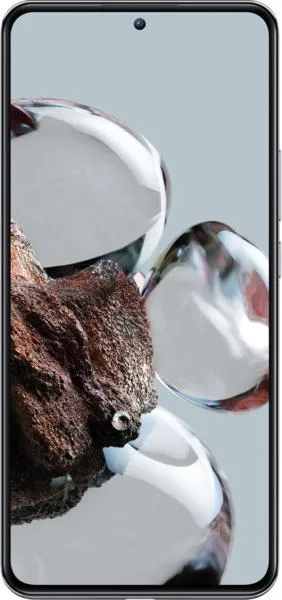
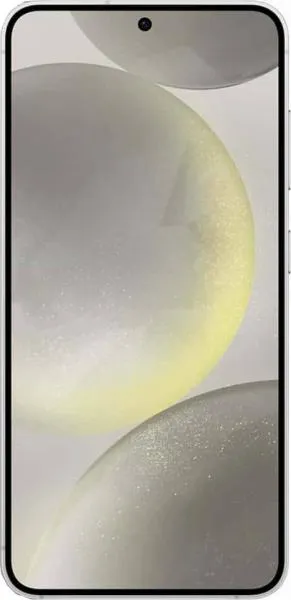
Xiaomi 12T vs. Samsung Galaxy S24: A Deep Dive
Let's dissect the Xiaomi 12T and the Samsung Galaxy S24, two compelling smartphones vying for your attention in the mid-range market. We'll go beyond the spec sheet to uncover what these numbers truly mean for your daily usage.
1. Specifications Breakdown
| Feature | Xiaomi 12T | Samsung Galaxy S24 | Real-World Implications |
|---|---|---|---|
| Design | |||
| Dimensions (mm) | 163.1 x 75.9 x 8.6 | 147 x 70.6 x 7.6 | S24 is noticeably more compact and pocketable. |
| Weight (g) | 202 | 167 | S24 feels lighter and less fatiguing for extended use. |
| Display | |||
| Size (inches) | 6.67 | 6.2 | 12T offers a larger screen for immersive media consumption; S24 is more one-hand friendly. |
| Resolution | 1220 x 2712 | 1080 x 2340 | 12T boasts sharper visuals due to higher pixel density; S24 is still crisp and clear. |
| Refresh Rate (Hz) | 120 | 120 | Both deliver smooth scrolling and animations. |
| Peak Brightness (nits) | 900 (peak) | 2600 | S24 excels in direct sunlight readability. |
| Performance | |||
| Chipset | MediaTek Dimensity 8100 Ultra | Qualcomm Snapdragon 8 Gen 3 | S24's newer generation flagship chip promises significantly faster processing and graphics performance. |
| CPU | Octa-core (2.85 GHz & 2.0 GHz) | Octa-core (up to 3.39 GHz) | S24 handles demanding tasks and multitasking with greater speed and efficiency. |
| RAM (GB) | 8 | 8 | Both offer ample memory for smooth operation, but more RAM options are available for the S24. |
| Camera | |||
| Main Camera (MP) | 108 | 50 | 12T boasts higher megapixel count; S24 likely employs larger individual pixels for improved low-light performance. |
| Video Recording | Up to 4K@30fps | Up to 8K@30fps | S24 offers higher resolution video recording capabilities. |
| Battery Life | |||
| Capacity (mAh) | 5000 | 4000 | 12T likely provides longer battery life due to higher capacity; real-world usage will depend on optimization. |
2. Key Insights
- Performance Powerhouse: The Galaxy S24, with its cutting-edge Snapdragon 8 Gen 3, is the clear winner in performance. This translates to faster app loading, smoother gaming, and effortless multitasking. The 12T, while capable, will show its age in demanding tasks.
- Display Dilemma: The 12T's higher resolution offers a slight edge in sharpness, beneficial for detail-oriented tasks. However, the S24's significantly higher peak brightness makes it the champion outdoors.
- Camera Considerations: While the 12T flaunts a 108MP sensor, megapixels don't tell the whole story. The S24's 50MP sensor likely uses larger pixels and advanced processing, potentially resulting in superior image quality, especially in challenging lighting. The S24 also boasts 8K video recording.
- Endurance Race: The 12T's larger 5000mAh battery promises longer endurance, but the S24's energy-efficient chip could narrow the gap in real-world usage.
3. User Profiles and Recommendations
- Xiaomi 12T: Ideal for budget-conscious users prioritizing a large, sharp display and long battery life. Great for media consumption, casual gaming, and everyday tasks.
- Samsung Galaxy S24: Perfect for power users who demand top-tier performance, a bright display, and advanced camera features. Excellent for demanding gaming, content creation, and multitasking.
4. Buying Decision Framework
- What's your budget? The 12T offers excellent value for its price, while the S24 commands a premium for its flagship features.
- What are your performance needs? For heavy gaming or professional applications, the S24's superior processing power is essential.
- How important is battery life? If all-day endurance is paramount, the 12T's larger battery might be the deciding factor.
My Choice: As a tech journalist constantly pushing devices to their limits, I'd choose the Samsung Galaxy S24. The significant performance leap offered by the Snapdragon 8 Gen 3 is crucial for my workflow. While I appreciate the 12T's larger battery and sharper screen, the S24's overall package – including the brighter display, advanced camera system, and compact form factor – aligns better with my needs. The price difference is justifiable for the long-term benefits of a future-proof device.
