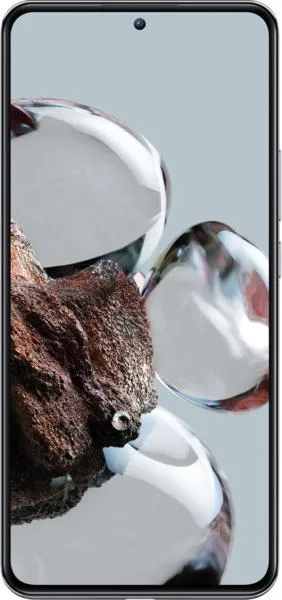
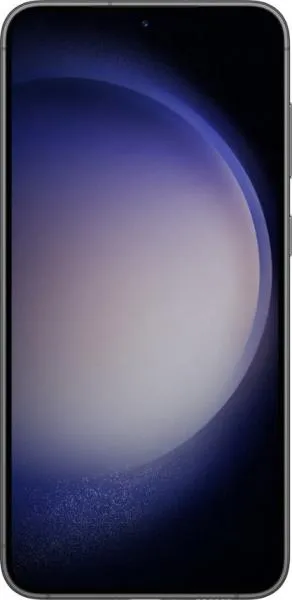
Xiaomi 12T vs. Samsung Galaxy S23+: A Deep Dive
Let's cut through the marketing fluff and get down to brass tacks. We're comparing the Xiaomi 12T and the Samsung Galaxy S23+, two compelling smartphones vying for your attention (and wallet). I've spent time dissecting their specs and translating them into what truly matters: your daily experience.
1. Specifications Breakdown
| Feature | Xiaomi 12T | Samsung Galaxy S23+ | Real-World Implications |
|---|---|---|---|
| Design | |||
| Dimensions (mm) | 163.1 x 75.9 x 8.6 | 157.8 x 76.2 x 7.6 | S23+ is slightly smaller and thinner, potentially more pocketable. |
| Weight (g) | 202 | 196 | S23+ is marginally lighter, reducing hand fatigue during extended use. |
| Display | |||
| Size (inches) | 6.67 | 6.6 | Negligible difference in screen real estate. |
| Resolution (px) | 1220 x 2712 | 1080 x 2340 | 12T boasts a sharper display due to higher pixel density; S23+ prioritizes slightly wider viewing angles. |
| Refresh Rate (Hz) | 120 | 120 | Both offer smooth scrolling and animations. |
| Display Type | AMOLED | Dynamic AMOLED 2X | S23+'s Dynamic AMOLED 2X potentially offers better contrast and color accuracy. |
| Peak Brightness | 900nits (typical) | 1750 nits (peak) | S23+ will be significantly more visible in direct sunlight. |
| Performance | |||
| Chipset | Dimensity 8100 Ultra | Snapdragon 8 Gen 2 | S23+ features a newer, more powerful processor, leading to superior performance in demanding tasks and games. |
| CPU | Octa-core | Octa-core | While both are octa-core, the S23+'s architecture and clock speeds provide a significant performance edge. |
| GPU | Mali-G610 MC6 | Adreno 740 | S23+'s Adreno 740 offers a substantial boost in graphics processing for smoother gaming and faster rendering. |
| RAM | 8GB | 8GB | Equal RAM capacity for multitasking. |
| Camera | |||
| Main Camera (MP) | 108MP Samsung HM6 | 50MP Samsung GN5 | While the 12T boasts a higher resolution, the S23+'s sensor generally produces better low-light images and dynamic range due to larger pixel size |
| Video | 4K@30fps | 8K@30fps | S23+ capable of recording higher resolution video. |
| Battery Life | |||
| Capacity (mAh) | 5000 | 4700 | 12T has a larger battery capacity, potentially translating to longer usage time. |
2. Key Insights
- Performance: The S23+ is the clear winner here, thanks to the Snapdragon 8 Gen 2. This translates to faster app loading, smoother gaming, and better overall responsiveness. The 12T, while no slouch, won't keep up with the S23+ in demanding tasks.
- Camera: While megapixels aren't everything, the 12T's 108MP main sensor can capture highly detailed images in good lighting. However, the S23+'s advanced image processing, superior low-light performance, and more versatile lens setup (including a telephoto lens) likely give it an edge overall.
- Display: Both phones have excellent displays, but the S23+'s Dynamic AMOLED 2X likely offers a slight advantage in color accuracy and vibrancy. The higher peak brightness of the S23+ is a major advantage in outdoor visibility.
- Battery Life: The 12T's larger battery might last a bit longer on a single charge, but real-world usage will depend on individual habits.
3. User Profiles and Recommendations
- Xiaomi 12T: Best for budget-conscious users who prioritize a sharp display and long battery life. Suitable for everyday tasks, media consumption, and casual gaming.
- Samsung Galaxy S23+: Ideal for power users, gamers, and photography enthusiasts who demand top-tier performance, a versatile camera system, and a vibrant display.
4. Buying Decision Framework
- What's your budget? The 12T offers excellent value for its price, while the S23+ commands a premium.
- What are your primary use cases? Heavy gaming and demanding tasks favor the S23+; casual use and battery life lean towards the 12T.
- How important is camera quality? The S23+ likely offers a more consistent and versatile camera experience.
My Choice: Samsung Galaxy S23+
If I were choosing, I'd go with the Samsung Galaxy S23+. The superior performance of the Snapdragon 8 Gen 2 is a game-changer for my workflow. I value the smooth multitasking, lag-free gaming, and future-proofing that a flagship chipset provides. While the 12T is tempting for its price and battery, the S23+'s overall package, including its camera capabilities, brighter display, and refined design, makes it a more compelling choice for me in the long run. The slightly higher price is justified by the significant performance gains and overall user experience.
