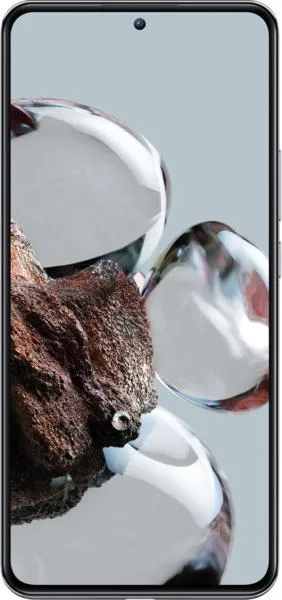
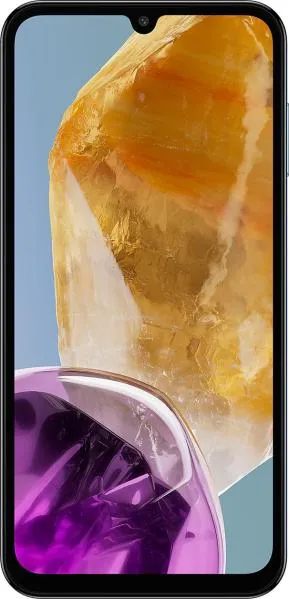
Xiaomi 12T vs. Samsung Galaxy M15: A Deep Dive for the Discerning Smartphone User
Hello, fellow tech explorers! Alex Griffin here, ready to dissect the Xiaomi 12T and the Samsung Galaxy M15. We'll go beyond the spec sheets to uncover what these phones really offer in terms of daily performance and user experience. Let's get started!
1. Specifications Breakdown
| Feature | Xiaomi 12T | Samsung Galaxy M15 | Real-World Implications |
|---|---|---|---|
| Design | |||
| Dimensions (mm) | 163.1 x 75.9 x 8.6 | 160.1 x 76.8 x 9.3 | Xiaomi 12T is slightly taller and thinner. M15 is a bit thicker. Negligible difference in hand feel. |
| Weight (g) | 202 | 217 | M15 is noticeably heavier, potentially impacting prolonged use. |
| Display | |||
| Size (inches) | 6.67 | 6.5 | Xiaomi 12T offers a larger screen for more immersive media consumption. |
| Resolution (px) | 1220 x 2712 | 1080 x 2340 | 12T boasts a sharper, more detailed display. |
| Type | AMOLED, 120Hz, HDR10+ | Super AMOLED, 90Hz | Both offer vibrant colors and deep blacks; 12T has a smoother refresh rate and better HDR support. |
| Performance | |||
| Chipset | Dimensity 8100 Ultra (5 nm) | Dimensity 6100+ (6 nm) | 12T's processor is significantly more powerful, resulting in smoother multitasking and gaming. |
| CPU | Octa-core (4x2.85 GHz A78 & 4x2.0 GHz A55) | Octa-core (2x2.2 GHz A76 & 6x2.0 GHz A55) | 12T's CPU architecture and higher clock speeds suggest a performance advantage. |
| GPU | Mali-G610 MC6 | Mali-G57 MC2 | 12T's GPU will deliver noticeably better gaming and graphics performance. |
| RAM (GB) | 8 | 4/6 | 12T's 8GB RAM ensures smoother multitasking and app switching. M15's 4GB option could feel limited. |
| Camera | |||
| Main Camera (MP) | 108 MP, f/1.7, OIS | 50 MP, f/1.8 | 12T has a higher resolution sensor with optical image stabilization for potentially better photos. |
| Video | 4K@30fps with HDR | 1080p@30fps with EIS | 12T offers superior video recording capabilities. |
| Battery Life | |||
| Capacity (mAh) | 5000 | 6000 | M15 has a larger battery, potentially lasting longer on a single charge. |
2. Key Insights
The Xiaomi 12T is the clear performance champion. Its superior processor, GPU, RAM, and display make it ideal for demanding tasks like gaming, video editing, and multitasking. The 120Hz AMOLED screen is a visual treat.
The Samsung Galaxy M15, while less powerful, focuses on essentials. Its massive 6000mAh battery promises excellent longevity. It’s a practical choice for users prioritizing battery life over peak performance. Note: The M15's camera specifications seem less impressive on paper, especially the lack of OIS.
3. User Profiles and Recommendations
Xiaomi 12T: Power users, gamers, content creators, and those seeking a premium multimedia experience.
Samsung Galaxy M15: Budget-conscious users, light gamers, social media enthusiasts, and anyone prioritizing all-day battery life.
4. Buying Decision Framework
- What's your budget? The 12T is positioned in a higher price bracket.
- What are your primary use cases? Heavy gaming and content creation? Choose the 12T. Casual use with long battery life? Consider the M15.
- Do you prioritize display quality and smoothness? The 12T's 120Hz AMOLED with HDR10+ is a significant advantage.
My Choice: The Xiaomi 12T
As a tech journalist who values performance and a fluid user experience, I'd opt for the Xiaomi 12T. The significant performance gap, coupled with the superior display, makes it a more compelling device for my needs. While the M15's battery is tempting, I can manage with the 12T's 5000mAh battery, especially considering the faster charging speeds (not explicitly stated but likely given the higher-end positioning). The 12T's investment in a better camera system with OIS also resonates with my desire to capture high-quality photos and videos. The price difference, while notable, is justified by the significant leap in overall quality and capabilities. For me, the 12T represents a more well-rounded and future-proof investment.
