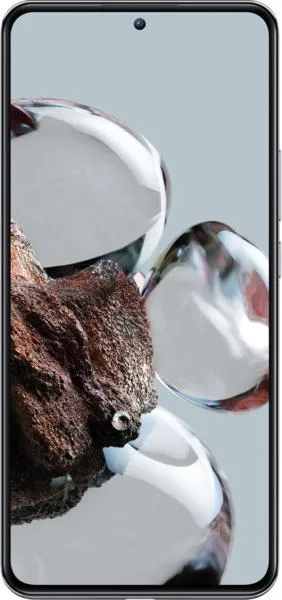
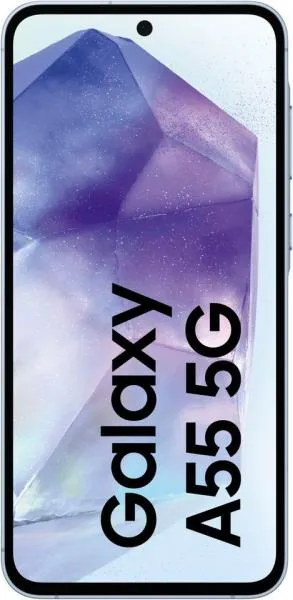
Xiaomi 12T vs. Samsung Galaxy A55: A Deep Dive for the Discerning User
The mid-range smartphone arena is fiercely competitive, with devices vying for your attention with compelling features and aggressive pricing. Today, we dissect two contenders: the Xiaomi 12T and the Samsung Galaxy A55. We'll go beyond the spec sheet, translating technical jargon into real-world implications to help you decide which phone fits your needs.
1. Specifications Breakdown
| Feature | Xiaomi 12T | Samsung Galaxy A55 | Real-World Implications |
|---|---|---|---|
| Design | |||
| Dimensions (mm) | 163.1 x 75.9 x 8.6 | 161.1 x 77.4 x 8.2 | A55 slightly shorter and wider, both slim. Negligible difference in hand feel. |
| Weight (g) | 202 | 213 | A55 slightly heavier, but difference unlikely to be noticeable in daily use. |
| Display | |||
| Size (inches) | 6.67 | 6.6 | Virtually identical screen real estate. |
| Resolution | 1220 x 2712 | 1080 x 2340 | 12T boasts significantly sharper visuals due to higher pixel density (446 ppi vs 390 ppi). |
| Refresh Rate (Hz) | 120 | 120 | Both offer smooth scrolling and responsive gaming. |
| Panel Type | AMOLED | Super AMOLED | Both offer vibrant colors and deep blacks. A55's Super AMOLED might offer slightly better contrast. |
| Performance | |||
| Chipset | Dimensity 8100 Ultra | Exynos 1480 | 8100 Ultra generally offers better performance. Expect smoother multitasking and gaming on the 12T. |
| CPU | Octa-core (Cortex-A78 & A55) | Octa-core (Cortex-A78 & A55) | Similar CPU architecture, but 8100 Ultra clocked slightly higher, potentially offering a performance edge. |
| RAM (GB) | 8 | 8/12 | A55 offers a 12GB RAM option for even more aggressive multitasking. |
| Camera | |||
| Main Camera (MP) | 108 | 50 | 12T boasts higher resolution, potentially capturing more detail. A55 uses newer sensor technology. |
| Video | 4K@30fps, HDR | 4K@30fps | Both capable of 4K video recording. 12T offers HDR video for richer visuals. |
| Battery Life | |||
| Capacity (mAh) | 5000 | 5000 | Identical battery capacity. Real-world battery life will depend on usage patterns and optimization. |
2. Key Insights
The Xiaomi 12T prioritizes raw performance and a sharper display. Its Dimensity 8100 Ultra chipset and higher resolution screen cater to power users and multimedia enthusiasts. The 108MP camera, while potentially producing detailed images, relies on older sensor technology compared to the A55.
The Samsung Galaxy A55, while slightly less powerful, offers a more refined software experience with longer OS support guaranteed until Android 18. Its camera system, despite lower resolution, leverages a modern Sony IMX906 sensor known for excellent low-light performance. The option for 12GB RAM is a significant advantage for heavy multitaskers.
3. User Profiles and Recommendations
Xiaomi 12T: Ideal for users seeking top-tier performance, a stunning display, and don't mind potentially shorter software update cycles. Gamers, multimedia consumers, and tech enthusiasts will appreciate its capabilities.
Samsung Galaxy A55: Best suited for users prioritizing a balanced experience, extended software support, reliable camera performance, and potentially smoother day-to-day usage thanks to Samsung's software optimizations. The 12GB RAM option makes it great for productivity-focused individuals.
4. Buying Decision Framework
- Is raw performance your top priority? If yes, the 12T's Dimensity chip gives it an edge.
- How important is long-term software support? The A55 wins with guaranteed updates up to Android 18.
- What's your budget and storage needs? Consider the RAM and storage variants available for each phone.
My Choice: Samsung Galaxy A55
While the Xiaomi 12T offers tempting performance, I'd choose the Samsung Galaxy A55. The deciding factors for me are: longer software support, the more modern camera sensor in the A55 (Sony IMX906), and the potential for smoother day-to-day performance due to excellent software optimization. While benchmarks might favor the 12T, real-world usage often tells a different story. Samsung's track record with software updates ensures a longer lifespan for the device, and the newer camera sensor in the A55 is known for its excellent image quality, especially in challenging lighting conditions. Ultimately, the A55 represents a more well-rounded package that better suits my needs for long-term usability and reliable everyday performance.
